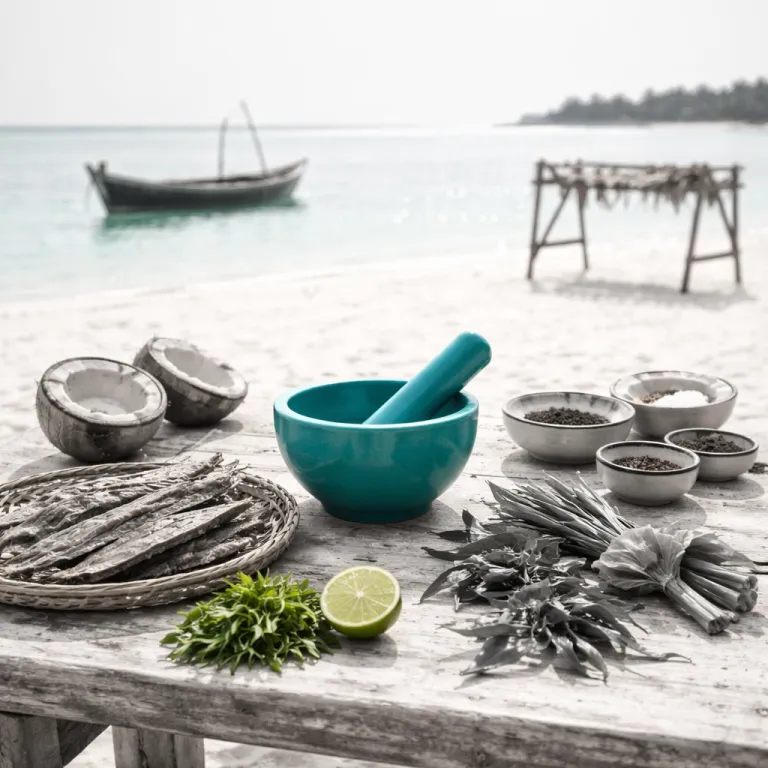
Why maldivian cuisine local food rarely reaches the resort table
Most travellers arrive in the Maldives and meet the same global buffet. Behind the sushi stations and pasta corners, a rich Maldivian cuisine local food tradition quietly continues in staff kitchens and village homes. If you care about culture as much as sunsets, that gap matters.
Across the islands, Maldivian cooks still build their daily food rhythm around tuna, coconut and spice, while many resorts lean on generic “international cuisine” that feels interchangeable from Bali to the Caribbean. The result is that guests can spend a week in world class resorts without once tasting a truly traditional Maldivian breakfast dish or a bowl of clear fish broth simmered with curry leaves. Understanding this disconnect is the first step to planning dining that actually reflects the cuisine Maldives has developed over centuries of seafaring and island living.
Local actors quietly hold the keys to authentic maldivian cuisine local food, from Maldivian locals who cook in staff canteens to small local restaurants in Malé and outer islands. These cooks work with the morning maldives fish catch, fresh grated coconut and rice rather than imported salmon and wagyu, and their dishes tell you more about the Indian Ocean than any generic fine dining tasting menu. When you book resorts, ask directly how often maldivian food appears on the main dining rotation and whether traditional Maldivian dishes are cooked by Maldivian chefs, not just adapted by international teams.
From mas huni to garudhiya: the daily rhythm of maldivian food
To understand maldivian cuisine local food, start at sunrise with mas huni and roshi. This traditional Maldivian breakfast dish mixes flaked tuna, grated coconut, onion and chilli into a bright salad, eaten with warm flatbread that you tear and fill by hand. One dataset answer puts it simply and accurately ; "What is a typical Maldivian breakfast? Mas Huni with roshi (flatbread)."
By midday, many Maldivian families turn to garudhiya, a clear fish broth made from fresh maldives fish simmered with salt, onion and sometimes curry leaves, then eaten with rice, lime and chilli paste. At dinner, the table might hold mas riha, a fragrant tuna curry enriched with coconut milk, alongside deep fried fish cake, grilled reef fish and a tangle of pickles that show how versatile maldivian cuisine can be. This daily pattern of dishes is still common on local islands, where cooking follows the sea’s rhythm and the wider Indian Ocean trade routes that once brought spices and ideas.
Resorts that take maldivian cuisine local food seriously now build entire dining concepts around this rhythm, offering mas huni at breakfast, garudhiya at lunch and a line of traditional Maldivian curry options at night. Some properties schedule a weekly “food Maldives” night that goes beyond a token tuna coconut salad and actually presents multiple maldives food preparations from different atolls. When you read a resort’s dining description or a guide such as the culinary inspirations feature on Stay in Maldives, look for specific mentions of mas huni, mas riha, smoked tuna and fish broth rather than vague promises of “local flavours”.
Coconut, tuna and spice: the flavour architecture of the islands
Three ingredients quietly structure almost every strand of maldivian cuisine local food ; tuna, coconut and spice. The Maldives sits in the heart of the Indian Ocean, and its cuisine reflects both the abundance of fish and centuries of contact with Indian and Sri Lankan traders. That history lives in every curry, every smoked tuna strip drying in the sun, every ladle of coconut milk poured into a clay pot.
Tuna appears in countless maldivian dishes, from fresh grilled steaks to preserved smoked tuna shaved into salads, and from delicate fish broth to robust mas riha curries. Coconut arrives as grated coconut in mas huni, as rich coconut milk in slow cooking curries and as oil for deep fried snacks that fill the air with a warm, nutty aroma. Spice is more than heat ; curry leaves, chilli, onion and garlic are used with restraint in traditional Maldivian cooking, creating food that is aromatic rather than overwhelming, even when the chilli sambal on the side runs hot.
For a solo traveller, tasting this architecture can be as simple as ordering a plate of maldives food at a local café in Malé or joining a resort cooking class focused on traditional Maldivian dishes. Ask to work with a hunigondi, the traditional coconut grater, and feel how central coconut is to maldivian cuisine local food when you prepare tuna coconut fillings for short eats. When resorts talk about “cuisine Maldives style” in their marketing, press them on whether that means real maldivian food with fresh maldives fish and curry leaves, or just another generic Indian curry on an otherwise international buffet.
Where luxury meets local: resort dining, undersea tables and staff canteens
Luxury travellers often meet maldivian cuisine local food in curated spaces, from themed nights to chef’s tables. At properties across the islands, local chefs are reclaiming traditional Maldivian recipes and placing them alongside fine dining menus that once focused only on European or pan Asian cuisine. The most interesting meals now move between a refined mas riha at a signature restaurant and a simple plate of rice, fish and grated coconut in the staff canteen.
Underwater venues such as 5.8 Undersea at Hurawalhi offer a dramatic setting, yet the most memorable courses are often those that reference maldives food rather than imported lobster. A tasting menu that includes a reimagined fish cake made from smoked tuna, or a clear fish broth scented with curry leaves, tells a more honest story about cuisine Maldives than another foie gras variation. When resorts host environmentally conscious dining events with international chefs, the most successful collaborations respect maldivian food traditions and the reality of maldives fish stocks in the surrounding Indian Ocean.
If you are serious about maldivian cuisine local food, ask your resort for a tour of the staff dining area or a chance to eat a traditional Maldivian dish with the team. The canteen is where you will see huge pots of tuna coconut curry, trays of deep fried snacks and bowls of chilli sambal that never reach the guest buffet. This is also where Maldivian cooks quietly innovate, blending traditional cooking methods such as grilling and boiling with lighter techniques that suit modern dining expectations in high end resorts.
Beyond the resort: local islands, guesthouses and practical booking tips
Leaving the resort bubble is the most direct way to experience maldivian cuisine local food in its everyday context. On local islands such as Maafushi or in the backstreets of Malé, small restaurants and family run cafés serve maldives food to Maldivian guests first and tourists second. That shift in audience changes everything about the dishes, from portion sizes to the unapologetic use of chilli and curry leaves.
Guesthouse stays on inhabited islands offer a different kind of dining, where you might eat grilled maldives fish on the beach, share a bowl of garudhiya with rice and lime, or help prepare mas huni in a home kitchen. These meals show how traditional Maldivian cooking uses every part of the catch, from smoked tuna to fish broth, and how coconut milk and grated coconut appear in both savoury dishes and simple desserts. When you book, look for guesthouses and small resorts that mention maldivian cuisine local food explicitly, including options for cooking classes, market visits and shared dinners with Maldivian families.
Practical planning matters if you want maldivian food to shape your trip rather than appear as a one off themed night. Check whether your chosen resorts offer a dedicated Maldivian dining venue, how often traditional dishes such as mas huni, mas riha and tuna coconut salads appear on the menu, and whether local island excursions include real meals rather than staged buffets. Respect local customs on inhabited islands by dressing modestly away from the beach and asking before photographing food or people, and remember that trying food Maldives style is as much about listening to Maldivian hosts as it is about tasting each dish.
FAQ
Is Maldivian food very spicy compared with other cuisines ?
Many maldivian cuisine local food dishes use chilli, but the heat is usually balanced by coconut milk, grated coconut and rice. Traditional Maldivian cooking tends to be aromatic rather than aggressively hot, especially in everyday fish broth or simple tuna coconut salads. You can always ask for less chilli or keep the chilli sambal on the side if you prefer milder food.
What should I try first to understand maldivian cuisine local food ?
Start with mas huni at breakfast, then seek out garudhiya with rice and lime for lunch and a tuna based mas riha curry for dinner. These three dishes show how maldives fish, coconut and spice define maldives food across the islands. If you can, taste smoked tuna and a simple deep fried fish cake as snacks to complete the picture.
Can I find authentic Maldivian dishes inside luxury resorts ?
Some high end resorts now integrate maldivian cuisine local food into their main dining programmes, while others limit it to occasional themed nights. Look for menus that name specific traditional Maldivian dishes such as mas huni, mas riha, garudhiya and tuna coconut salads rather than vague “local flavours”. Asking to visit the staff canteen or joining a Maldivian cooking class on site can also reveal how seriously a property treats maldivian food.
Are Maldivian dishes suitable for vegetarians or vegans ?
Maldivian cuisine is heavily based on fish, especially tuna, so strict vegetarians will find fewer traditional options. That said, many resorts can adapt maldivian cuisine local food by using coconut milk, vegetables, rice and spice blends without fish broth or smoked tuna. On local islands, communicate your preferences clearly and expect simpler vegetable curries and coconut based dishes rather than full traditional spreads.
How can I eat respectfully on local islands in the Maldives ?
When you explore maldivian cuisine local food on inhabited islands, dress modestly away from designated bikini beaches and avoid public displays of alcohol, which is not served outside resorts. Accept food with your right hand, try at least a small portion of each dish offered and ask before photographing people or private spaces. Supporting local restaurants and guesthouses that serve maldives food directly to residents helps sustain both the economy and the culinary traditions you came to experience.