How to Choose a Maldives Marine Biologist Resort That Truly Protects Its Reef
How to Choose a Maldives Marine Biologist Resort That Truly Protects Its Reef
Why the Maldives marine biologist resort matters more than the villa
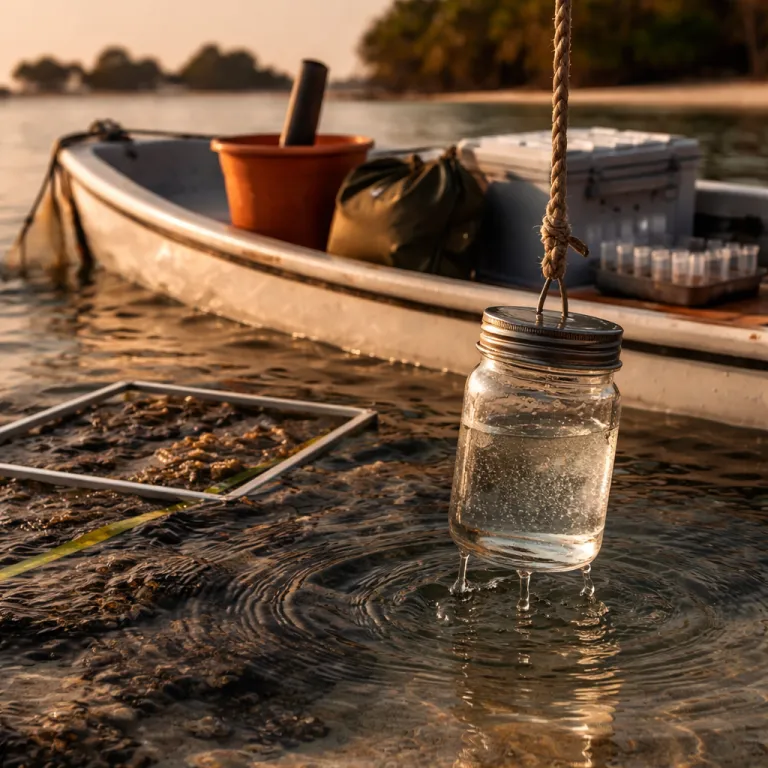
On a serious Maldives marine biologist resort, the day starts before sunrise. In that first pale light, the resident marine biologist slips into the water to read the reef like a morning briefing, because the first hour of daylight reveals which coral colonies are stressed, which reef manta cleaning stations are active, and how last night’s currents shifted sand around fragile nests. For guests choosing between glossy overwater suites, this quiet routine tells you far more about a resort’s values than any infinity pool or design style ever will.
Across the Maldives, luxury resorts now compete on marine biology rather than just thread count. Properties such as Diamonds Athuruga Maldives, Four Seasons Landaa Giraavaru, Six Senses Laamu, Le Méridien Maldives Resort & Spa, and InterContinental Maamunagau have built full marine conservation hubs where marine biologists and their teams run coral projects, manta ray identification, and sea turtle rehabilitation alongside family friendly education. These are not abstract initiatives; they are working labs where divers, snorkellers, and children handle real monitoring data, help log marine life sightings, and see how a single reef survey can influence long term marine environment management.
For a premium family, the question is not only which resort has the best house reef, but which team will actually take your children into that reef with purpose. A strong Maldives marine biologist resort programme means guided snorkels that explain why one coral is bleaching while another thrives, and why a turtle grazing on seagrass matters to the entire lagoon. When you read that a property partners with Manta Trust, Blue Marine Foundation, the Olive Ridley Project, or the University of Milano Bicocca, you are looking at a serious commitment to marine conservation rather than a marketing project. For example, Manta Trust’s Maldivian Manta Ray Project has catalogued more than 5,000 individual manta rays across the country according to its published identification database, and many of those records now come directly from resort guests.
The dawn reef survey: how biologists read the lagoon before breakfast
Ask any experienced marine biologist in the Maldives why they are in the water at dawn, and the answer is always the reef. Low sun and calm seas make coral reefs easier to assess, so the biologist can spot subtle colour shifts that signal stress, new algae growth on dead coral skeletons, or fresh sea turtle grazing tracks on the seagrass meadows that fringe the house reef. On a well run Maldives marine biologist resort, this early survey sets the conservation priorities for the entire day.
At Six Senses Laamu, the Maldives Underwater Initiative brings together a multidisciplinary team of marine biologists who specialise in coral, manta rays, and broader marine life monitoring. Their daily swim along the Laamu Atoll reef line is not a scenic snorkel; it is a structured transect where they log fish biomass, count juvenile coral recruits, and record any new turtle nests on the beach before footprints erase the evidence. According to the resort’s own monitoring reports, these surveys now cover more than 30 permanent reef sites around the atoll, creating one of the most detailed private reef datasets in the Maldives. Similar routines play out at Four Seasons Landaa Giraavaru in Baa Atoll and at InterContinental Maamunagau, where the Marine Discovery Kids Club turns these surveys into age appropriate adventures for younger guests.
Families often join a later version of the same route, guided by the resident marine team rather than the pre breakfast core crew. You might glide over a cleaning station where reef manta rays circle patiently, while your guide explains how Manta Trust uses photo identification to track individual manta ray movements across Baa Atoll and Lhaviyani Atoll. A single clear underside photograph can confirm whether a manta has returned to the same cleaning station after months away, and repeated sightings help scientists map critical feeding routes. For those considering an all inclusive honeymoon or family stay, choosing an all inclusive Maldives resort with serious marine programmes ensures that every dive, snorkel, and reef walk is backed by real science rather than staged encounters.
Coral nurseries, nests and data: the quiet work behind the lagoon views
Behind every photogenic lagoon lies a grid of coral frames, ropes, and nursery tables that rarely make it to social media. In a genuine Maldives marine biologist resort, these coral nurseries are treated as living infrastructure, with marine biologists and trained divers spending hours cleaning algae, reattaching broken fragments, and logging growth data for each tagged coral. The work is repetitive yet precise, because a single misjudged transplant can waste months of recovery for a fragile branching coral colony.
Resorts such as Le Méridien Maldives Resort & Spa and Diamonds Athuruga Maldives invite guests to adopt a coral frame, but the serious part happens long after the family photo. The marine biology team returns every few weeks to measure growth, photograph the structure, and update a database that feeds into wider marine conservation projects across the Maldives. Some resort programmes now manage several hundred frames each, and internal monitoring often shows survival rates above 70% for carefully sited nurseries, even after moderate bleaching events, a figure that aligns with results reported in regional reef restoration case studies. When bleaching strikes, these same data help the team decide which coral genotypes to prioritise, which nursery sites to shade, and where to move frames to slightly cooler micro currents around the reef.
On the beach, another project unfolds in parallel as sea turtle nests are monitored through the night. Biologists and volunteers mark each nest, record the laying female if she is a known turtle from previous seasons, and protect the site from trampling or artificial light that could disorient hatchlings. In some atolls, long term monitoring has documented nest success rates above 80% when lighting and access are carefully managed, compared with far lower survival on unprotected beaches, as reported in Maldivian turtle conservation summaries. If you are staying at a resort with private pool villas, choose one of the Maldives resorts with private pools that also invest in turtle monitoring, because that combination of comfort and conservation is where luxury travel is heading.
Guest education, manta rays and citizen science: when families join the team
The most interesting Maldives marine biologist resort stays are those where guests become part of the conservation story. Instead of passive reef cruises, you join guided snorkels where marine biologists teach you how to identify key fish families, spot coral disease, and log manta rays or whale sharks using simple underwater slates. Children quickly shift from counting colourful fish to asking why certain coral patches are pale, and that curiosity is exactly what these programmes are designed to nurture.
At InterContinental Maamunagau, the Marine Discovery Kids Club turns marine biology into a series of hands on missions, from building simple coral models to analysing turtle photo identification data collected by the wider team. Six Senses Laamu’s experiences often include behind the scenes visits to the Maldives Underwater Initiative lab, where families can see how community marine centres, such as the Gili Veshi hub at Gili Lankanfushi, blend research, education, and local engagement. As one resident biologist there explains in programme notes, “When guests help us identify fish or measure coral growth, they are not just learning about the reef; they are expanding the reach of our science.” The quote "Activities include guided snorkeling, marine biology workshops, coral restoration, and marine life identification." captures the essence of what serious programmes now offer across the archipelago.
Citizen science is not a gimmick here; it is a force multiplier. When guests submit manta ray images to Manta Trust, log reef manta sightings with the dive center, or help record fish counts on Biosphere Expeditions style reef surveys, they generate valuable records that would be impossible for a small resident marine team to collect alone. Manta Trust alone has received tens of thousands of guest photographs from Maldivian resorts over the past decade, turning holiday snapshots into one of the world’s largest manta ray databases, as documented in its public project updates. For families, this means your holiday photos can feed into long term marine environment monitoring, turning a simple dive into a tangible contribution to the health of the Maldives.
Choosing a Maldives marine biologist resort: reading beyond the brochure
Not every property that mentions marine conservation on its website runs a serious programme. When you evaluate a Maldives marine biologist resort, start by looking for named marine biologists, clear partnerships with organisations such as Manta Trust or the Olive Ridley Project, and transparent descriptions of ongoing projects rather than vague eco friendly language. A resort that publishes regular updates on coral restoration, turtle nests, and reef survey results is usually investing real time and budget, not just marketing. Many of these updates now appear in annual sustainability reports or on dedicated marine biology blogs, which you can request if they are not publicly linked.
Pay attention to the structure of the dive center and its relationship with the marine biology team. On islands where divers, snorkellers, and the resident marine biologist share a common project calendar, you will see integrated activities such as reef etiquette briefings before every dive, mandatory reef safe sunscreen guidelines, and optional guest participation in survey dives. Compare that with properties where the dive operation focuses purely on ticking off manta rays and sharks, with little mention of carrying capacity or marine environment impact, and the difference in priorities becomes obvious.
Finally, ask how the resort balances tourism revenue with conservation limits on its house reef. Serious teams cap group sizes for manta ray encounters, restrict access to sensitive coral reefs during spawning, and may even close certain sites temporarily to allow marine life to recover. In Baa Atoll’s Hanifaru Bay, for example, strict visitor limits and time slots have been introduced to protect one of the world’s largest seasonal manta aggregations, and responsible resorts mirror that approach on their own reefs. For a deeper sense of which islands walk this talk, explore curated analyses such as the guide to Maldives house reefs that reveal a resort’s true character, then cross check those insights with your shortlisted properties in Baa Atoll, Lhaviyani Atoll, Laamu, or the more hidden corners around Gili Lankanfushi.
What families can realistically do: from reef etiquette to long term impact
Once you have chosen a Maldives marine biologist resort, your influence shifts from selection to behaviour. The most powerful step is often the simplest: follow every guideline your marine biologists give you on snorkelling routes, no touch policies, and manta ray or sea turtle approach distances, because good etiquette scales across hundreds of guests each week. Children tend to copy adults in the water, so your calm, hands off approach to marine life becomes an unspoken lesson in conservation.
Consider adopting a coral frame, sponsoring a turtle monitoring project, or joining a scheduled reef survey during your stay. These activities are not symbolic add ons; they fund equipment, staff time, and long term monitoring that keeps coral reefs, turtle nests, and manta ray cleaning stations functioning despite tourism pressure. Many resorts now send periodic updates with growth photos, new data points, or even news that your adopted frame has been moved to a cooler micro site on the outer reef, which keeps your family connected to the Maldives long after checkout. Some programmes report that more than half of coral adoptions now come from returning guests, a sign that these initiatives are building genuine long term engagement rather than one off donations.
Finally, think about how your booking choices signal demand. When you prioritise resorts with strong marine conservation credentials, transparent data sharing, and visible resident marine teams, you reward the properties that treat the reef as their primary asset rather than a backdrop. Over time, that pressure nudges more resorts to invest in serious marine biology programmes, so the next generation of guests will still find healthy house reefs, abundant marine life, and manta rays gliding through clear channels instead of empty lagoons.
FAQ
Which Maldives resorts currently offer serious marine biology programmes?
Several high end resorts run structured marine biology programmes, including Diamonds Athuruga Maldives, Four Seasons Landaa Giraavaru, Six Senses Laamu, Le Méridien Maldives Resort & Spa, and InterContinental Maamunagau. Each employs qualified marine biologists, operates conservation projects such as coral nurseries or turtle monitoring, and offers guest activities from guided snorkels to workshops. When in doubt, contact the resort directly and ask for details of the current marine conservation projects and resident marine team, including how long the programme has been running and how often they publish monitoring results.
Are marine biologist activities suitable for children and non divers?
Most Maldives marine biologist resort programmes are designed for mixed ability groups, including children and adults who do not dive. Typical options include shallow reef walks, lagoon snorkels, interactive talks, and lab visits where guests handle data rather than equipment. Some properties, such as InterContinental Maamunagau with its Marine Discovery Kids Club, tailor entire schedules around younger guests, with activities grouped by age and swimming confidence.
Do I need previous snorkelling or diving experience to join?
You do not need prior experience for most marine biology activities, although basic water confidence helps. Resorts provide equipment, safety briefings, and often a gentle lagoon session before taking guests to the outer reef or deeper coral gardens. Certified divers can join survey dives or manta ray monitoring trips, while beginners usually start with guided snorkels over the house reef, staying in shallow areas where they can stand if needed.
How can I tell if a resort’s marine programme is genuine rather than greenwashing?
Look for named marine biologists, clear scientific or NGO partnerships, and specific descriptions of ongoing projects with measurable goals. Genuine programmes usually publish updates on coral growth, turtle nests, or manta ray sightings, and they integrate conservation messages into every dive briefing and guest activity. If the website only mentions generic eco friendliness without details, or if staff cannot answer basic questions about the reef, the programme is likely superficial. Asking for recent monitoring summaries or links to partner NGO reports is a simple way to test how serious the resort really is.
Can my family’s participation really make a difference to marine conservation?
Guest participation cannot replace professional science, but it can significantly extend its reach. When hundreds of visitors submit manta ray photos, log fish sightings, or adopt coral frames, they generate valuable data and funding that support long term monitoring and restoration. Combined with respectful behaviour in the water, these small actions help keep Maldives reefs, turtles, and manta populations healthier for future travellers, and they send a clear message to resort owners that guests value conservation as much as luxury.