Why the house reef is the real measure of a Maldives resort
Ask any serious snorkeller about the best house reef Maldives can offer and they will not start with villa categories. They will talk about how a reef wraps the island, how close the drop off sits to the sand, and whether you can step from your house deck into clear water without waiting for a boat. In the Maldives, where every atoll sells itself as paradise, the quality of the house reef quietly separates a true luxury resort from a pretty but forgettable address.
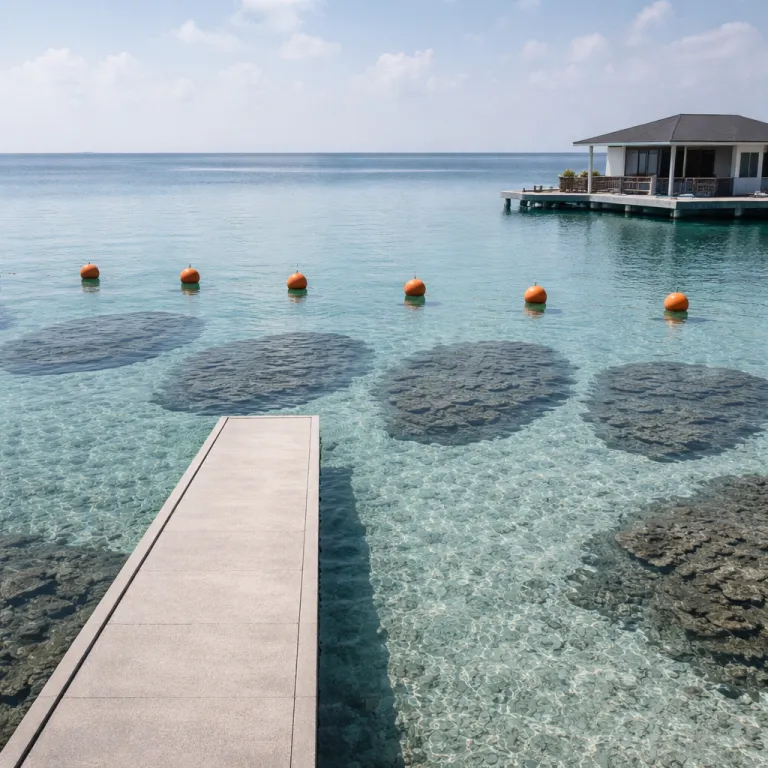
House reef access means you can enter the water directly from the beach or jetty and reach living coral within a few fin kicks. A step in reef like this matters more than a transfer dependent dive site, because it shapes your daily rhythm and turns the island into an underwater park you can explore at dawn or after lunch. When you book a stay in any of the top Maldives resorts, treat the health of the surrounding reefs as a proxy for how seriously the management invests in long term marine life protection.
Across the archipelago, monitoring by the Maldives Marine Research Institute and partner organisations shows that live coral cover and fish diversity vary widely between atolls and depths, with some resilient sites still supporting high coral density and hundreds of recorded reef fish species. Average sea surface temperatures hover close to 28 °C, according to long term records from the Maldives Meteorological Service, creating the warm, stable conditions that reef building corals need. Those numbers, drawn from scientific surveys rather than marketing copy, should guide where you choose your best house base, because a resort in a biologically rich atoll will usually support a marine biology team, structured restoration projects and clear snorkelling guidelines posted in every house and villa.
Reading the reef: how to choose your island and atoll
Choosing where to stay in the Maldives starts with one question: do you want a reef immersive holiday or a lagoon focused escape. If you are chasing the best house reef Maldives can provide, prioritise an island located on the outer edge of an atoll, where currents bring nutrients and keep coral systems flushed and alive. Inner lagoon resorts can still be beautiful, but their house reefs are often patchy, with more sand than structure.
The north Malé Atoll and Baa Atoll remain two of the most reliable regions for strong house reefs and easy access to manta rays. In north Malé, currents sweep along the atoll rim, feeding dense coral gardens and attracting marine life that makes even a quick pre breakfast snorkel feel like a full dive. Baa Atoll, a UNESCO Biosphere Reserve, is widely considered a Maldives best choice for travellers who want a luxury resort that also takes conservation seriously, especially around Hanifaru Bay where manta rays gather seasonally.
When you compare Maldives resorts, look beyond the overwater architecture and study where each property is located on its atoll map. A resort positioned on an outer reef line will usually have steeper drop offs and stronger fish life than one tucked deep inside the lagoon. For a deeper dive into how geography shapes experience, our guide to finding the best place to stay in the Maldives for a truly luxurious escape explains why some islands feel wild and reef forward while others lean toward calm water and sandbank picnics.
Five house reefs that set the standard for luxury and conservation
Among the many Maldives resorts that market themselves as reef rich, a handful of house reefs consistently impress marine biologists and repeat guests. Dusit Thani Maldives in Baa Atoll is one of them, with a house reef that wraps the island and offers easy access to walls of coral and schooling fish straight from the beach. When travellers ask which Maldives resort has the best house reef, the answer that Dusit Thani Maldives is highly rated for its house reef reflects years of guest reviews and on site surveys rather than a passing trend.
Baros Maldives in north Malé Atoll is another benchmark, a small island where the house reef lies just a short swim from shore and feels like a private underwater amphitheatre. Guests often encounter reef sharks, sea turtles, and various fish species, and that density of marine life signals a reef system that is still functioning despite regional bleaching events. NH Collection Maldives Havodda Resort, in Gaafu Dhaalu Atoll in the far south, offers a more laid back luxury star experience but still delivers a best house style reef, with channels and coral heads that reward slow, attentive snorkelling.
Further afield, Anantara Kihavah Maldives Villas in Baa Atoll and Dusit Thani both pair luxury resort comfort with serious restoration work and inclusive marine programmes. Anantara Kihavah offers an underwater restaurant experience, but the real draw is the reef itself, where coral frames and natural bommies sit side by side and manta rays occasionally cruise the drop off. For travellers who want ultra high end privacy with strong reef access, Velaa Private Island in Noonu Atoll, profiled in our feature on an ultra luxury escape in Noonu Atoll, shows how a small island can balance golf greens with coral gardens.
From frames to nurseries: how resorts are rebuilding coral in real time
Reef health in the Maldives is not static, and the best house reef Maldives travellers talk about today is often the one where restoration is most visible. Sheraton Maldives Full Moon Resort, working with Reefscapers and other coral propagation experts, has deployed hundreds of coral frames and transplanted many thousands of colonies, turning its lagoon into a living laboratory you can snorkel through. Soneva properties, through the Soneva Foundation and in collaboration with scientists, report large scale coral planting efforts with survival rates that stayed relatively high even after major bleaching, illustrating how targeted intervention can shift outcomes.
These projects matter because bleaching events expose which luxury resort teams are willing to invest in recovery rather than simply waiting for nature to heal. A resort that offers guests the chance to adopt a coral frame, join a marine biologist on a reef walk, or learn about Tech4Nature style monitoring in nearby protected areas is usually the same resort that enforces no touch policies on its house reefs. In Baa Atoll and other sensitive zones, citizen science initiatives such as long running coral reef surveys give solo travellers a way to contribute data while still enjoying a relaxed island rhythm.
When you book your stay, ask how the resort manages its house reef and what role guests can play in coral restoration. Properties like Dusit Thani, Baros and NH Collection Maldives Havodda Resort often share maps of their reefs Maldives wide, highlight coral nursery locations and explain how snorkellers can avoid damaging fragile structures. For a deeper sense of how elevated architecture and careful lagoon design can reduce pressure on nearby reefs, our piece on pole homes and the art of elevated lagoon living explores why some overwater concepts are kinder to marine life than others.
Designing your day around the reef, not the bar menu
The most rewarding days on a reef focused island start before sunrise, when the water lies glassy and the only sounds are parrotfish crunching coral. Slip from your house deck or the main jetty into the lagoon, and you will often have the best house sections of the reef to yourself, with reef sharks patrolling the edge and turtles rising through shafts of light. That early swim tells you more about a resort’s soul than any sunset cocktail at the star resort bar.
Look for properties that offer guided dawn snorkels, marine biologist led reef walks at low tide and inclusive briefings that explain currents, entry points and how to move around fragile coral heads. A luxury star resort that schedules these activities daily, rather than as occasional add ons, is signalling that its house reef is central to the guest experience, not just a backdrop for marketing images. When manta rays are in season around Baa Atoll or other hotspots, the best resorts will time boat trips carefully so that house reefs remain a sanctuary rather than a traffic corridor.
For solo travellers, this rhythm creates a different kind of luxury, one where you can move between underwater exploration and quiet time in your house without waiting for group excursions. Whether you are staying at Baros, Dusit Thani, Anantara Kihavah, Oblu Helengeli, Raffles Maldives or another reef forward property, ask the team to mark their favourite house reefs on a map and plan your day around those lines rather than restaurant slots. In a country where every island is technically a luxury resort, the Maldives best experiences still belong to those who treat the reef as the main event and the room as a comfortable base between swims.
FAQ
Which Maldives resort has the best house reef for frequent snorkelling ?
Among many strong contenders, Dusit Thani Maldives in Baa Atoll is consistently praised for a house reef that wraps the island and offers easy access from multiple entry points. Baros Maldives in north Malé Atoll also ranks highly, with a compact island and a reef that lies just a short swim from shore. NH Collection Maldives Havodda Resort adds another reliable option, especially for travellers who want a balance between relaxed luxury and serious reef time.
What marine life can I expect to see on a good house reef ?
On a healthy house reef in the Maldives you can expect frequent encounters with reef sharks, hawksbill and green turtles, and dense schools of reef fish such as fusiliers, snappers and surgeonfish. In areas like Baa Atoll and parts of north Malé Atoll, manta rays and eagle rays sometimes cruise the outer reef slopes, especially during plankton rich months. Macro life is also rewarding, with nudibranchs, shrimps and small octopus hiding among branching coral and rubble.
How can I check if a resort really invests in its reef ?
Before you book, ask the resort whether it has an in house marine biologist, active coral restoration projects or partnerships with organisations such as the Maldives Marine Research Institute. Properties that share data on live coral cover, run guest education sessions and enforce strict no touch policies on their house reefs are usually the ones making long term investments. You can also look for visible coral frames or nurseries in the lagoon, which signal ongoing restoration rather than one off marketing campaigns.
Is snorkelling equipment usually included at Maldives resorts ?
Most luxury resorts in the Maldives provide complimentary snorkelling gear for guests, especially those that promote strong house reefs. Some properties, such as NH Collection Maldives Havodda Resort, explicitly state that masks, snorkels and fins are available without extra charge for the duration of your stay. It is still worth confirming in advance, particularly if you have specific size requirements or prefer to use higher end equipment.
Are guided snorkel tours worth it if I am an experienced swimmer ?
Even confident swimmers benefit from at least one guided snorkel on a new house reef, because local guides understand currents, entry points and where particular species tend to gather. A marine biologist led session can also help you read coral health, recognise signs of stress and learn how to move without damaging fragile structures. After that first orientation, you can explore independently with a clearer sense of how to enjoy the reef while minimising your impact.