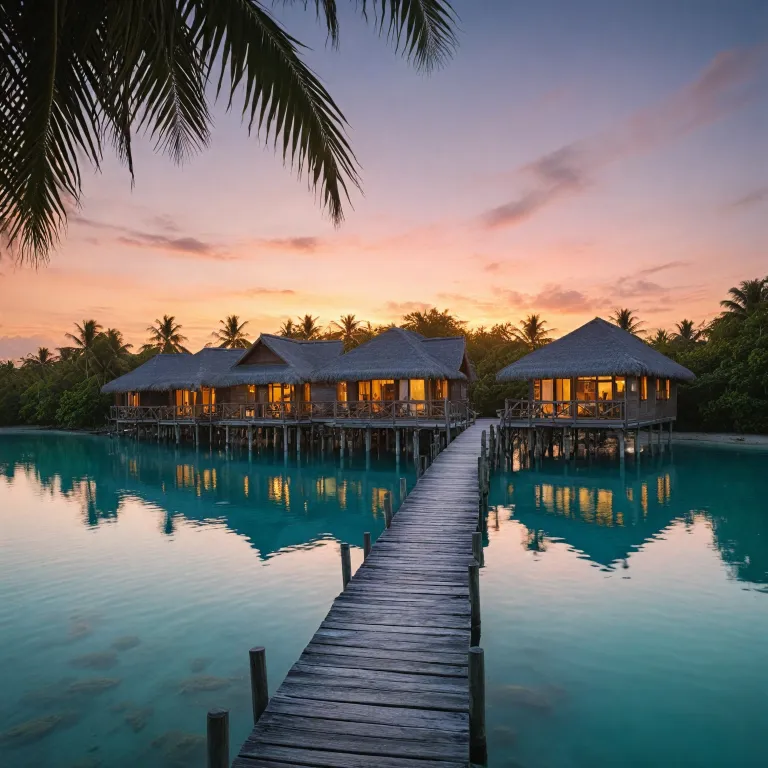
Maldives pole homes and the evolution of overwater luxury
Maldives pole homes have become the signature image of Indian Ocean luxury. These elevated houses are carefully built above shallow water, using modular architecture that respects the lagoon and its fragile coral. Each house stands on poles that lift living spaces above the water, creating a feeling of shelter and privacy while keeping direct access to the sea.
Resort developers work closely with the Maldivian Government to ensure that every house and its supporting structures comply with regulations that protect storm resilience and marine life. The Maldives government encourages sustainable development, so new pole homes often include advanced wastewater treatment, solar panels, and traditional method details inspired by the Maldivian traditional house. This balance between innovation and heritage is essential in a climate where climate change and rising sea levels are already reshaping land use and long term planning.
For travellers, maldives pole homes offer a rare combination of intimacy, water immersion, and refined service. People choosing these houses usually want a house that feels like a private island, yet with easy access to restaurants, a store, and curated experiences. When you browse a luxury booking website in the Maldives, look for clear information about how the resort is built, how it will protect storm sensitive areas, and how its architecture responds to the local climate.
From traditional house on land to refined homes over water
The story of maldives pole homes begins with the traditional house on inhabited islands. Historically, people in the Maldives built houses from coral stone and timber, orienting each house to catch the breeze and shelter families from the tropical climate. These traditional houses stood on land, but their architecture already reflected a deep understanding of water, monsoon winds, and the need to protect storm exposed shorelines.
As luxury tourism expanded, resort developers adapted this traditional method to shallow water lagoons. Instead of building only on artificial islands or reclaimed land, they created houses on poles that hover above the lagoon, echoing stilt houses seen in parts of East Asia while remaining rooted in Maldivian art and craftsmanship. The Maldivian Government, and later the broader government Maldives framework, introduced guidelines so that each house and its supporting structures would minimise damage to coral and seagrass.
On premium booking platforms, you will notice a clear distinction between beach villas on land and maldives pole homes above water. Guests who prefer direct sand access often choose a refined beach villa Maldives escape, while others select houses on poles for uninterrupted lagoon views. Both options respond to the same climate and cultural context, but pole homes place you directly above the water, turning the lagoon itself into an extension of your living space.
Reading the lagoon: climate, water, and site selection
Choosing the right maldives pole homes for your stay starts with understanding the lagoon. Resorts usually position these houses in calm, shallow water where the lagoon floor is stable and the climate offers predictable wind patterns. This careful placement allows the structures to protect storm exposed walkways and maintain safe access even during rougher seas.
In regions such as Addu Atoll or near the capital Malé, resort developers study currents, tides, and climate change projections before they build. They work with the Maldives government and local experts to ensure that each house and its supporting architecture will not accelerate erosion or damage nearby land and reefs. Some new projects even explore floating structures and artificial islands as a way to adapt to rising sea levels while maintaining sustainable development goals.
When you browse a booking website in the English language, look for maps and a clear photo gallery that show how the houses relate to the lagoon. A good resort will explain how its maldives pole homes are built to protect storm vulnerable areas and how its environmental policies align with government Maldives regulations. For a deeper sense of regional variety, guides to specific atolls, such as an elegant guide to Baa Atoll resorts, can help you compare different lagoon settings and water conditions.
Architecture, interiors, and the art of elevated living
The architecture of maldives pole homes blends structural engineering with refined interior design. From the outside, these houses appear as light structures resting gently above the water, yet they are built with robust foundations designed to protect storm exposed walkways and decks. Inside, the layout usually frames the lagoon as living art, with large windows and glass floors turning the water into a moving gallery.
Designers often reference the Maldivian traditional house through materials, roof lines, and handcrafted art pieces. You may notice timber ceilings, woven panels, and local art that reflect how people have long adapted to the climate and the Indian Ocean environment. At the same time, contemporary architecture introduces clean lines, generous bathrooms, and private pools that transform each house into a self contained retreat.
For guests, the experience of these houses is shaped by light, water, and privacy. A single photo of sunrise from a terrace can capture why maldives pole homes have become icons of elevated lagoon living. When comparing options on a booking website, examine floor plans, note how much land based greenery you can see from the deck, and check whether the resort offers direct access to water sports, as highlighted in this guide to Maldives luxury hotels with exceptional water sports experiences.
Climate change, protection, and sustainable development choices
Every stay in maldives pole homes now unfolds against the backdrop of climate change. Rising sea levels and shifting weather patterns challenge how resorts are built, how they protect storm exposed coastlines, and how they manage fragile lagoon ecosystems. The Maldives government and resort developers increasingly frame each new house and its supporting structures as part of a broader sustainable development strategy.
Guests can play a role by choosing properties that communicate clearly about their environmental commitments. Many resorts publish a privacy policy and sustainability statement in the English language, explaining how they treat wastewater, manage energy, and work with the Maldivian Government on reef restoration. Some projects, including floating city concepts and artificial islands, aim to provide long term shelter for people while reducing pressure on existing land and natural reefs.
When you evaluate maldives pole homes on a booking platform, look beyond the photo gallery and marketing language. Check whether the resort mentions collaboration with government Maldives agencies, marine biologists, or local communities in Addu and other atolls. Statements such as “Development of eco-friendly overwater accommodations” and “Introduction of floating city projects to combat climate change effects” signal that the property is engaging with the real environmental challenges facing the Indian Ocean.
Navigating booking platforms and understanding fine print
Luxury and premium booking websites for maldives pole homes can feel overwhelming at first glance. To make confident choices, start by filtering for overwater houses, then compare how each resort explains its architecture, climate adaptation measures, and lagoon setting. A transparent platform will show clear maps, detailed room descriptions, and multiple photo angles for each house category.
Always read the privacy policy and terms carefully, especially when the site is presented in the English language but serves guests from many regions. This policy should explain how your data will be stored, how payments are processed, and how the company cooperates with local regulations set by the Maldives government. If the platform highlights partnerships with resort developers or mentions oversight from government Maldives agencies, it can further strengthen trust.
Pay attention to practical details that affect daily living in maldives pole homes. Check whether the house includes direct water access, how far it is from the main store and restaurants on land, and whether transfer times from the capital Malé are clearly stated. By combining visual impressions with careful reading of policies and environmental commitments, you will align your stay with both your comfort expectations and the realities of the Indian Ocean climate.
Realities behind the dream: people, numbers, and future shifts
Behind every set of maldives pole homes stands a network of people, policies, and evolving climate realities. Resort developers, local construction teams, and the Maldivian Government coordinate to ensure that houses are safely built and that structures respect both water and land. Their shared objective is to expand luxury tourism while keeping the Maldives liveable for future generations.
Current data indicates a strong focus on overwater architecture and lagoon based living. “Number of Overwater Resorts in the Maldives: 60 resorts” and “Percentage of Overwater Villas in New Resorts: 80 %” illustrate how central these houses have become to the national tourism strategy. As demand grows, the Maldives government and government Maldives agencies are also supporting innovations such as floating cities and artificial islands to respond to climate change and limited land availability.
For travellers, this means that maldives pole homes will continue to evolve in design, environmental performance, and price. You can expect more emphasis on sustainable development, from energy efficient architecture to reef friendly water access and better systems to protect storm exposed areas. By choosing properties that communicate openly, respect the local climate, and honour the cultural legacy of the traditional house, you help ensure that this elevated style of living remains viable for people across the archipelago.
Key figures shaping overwater stays in the Maldives
- Number of overwater resorts in the Maldives: 60 resorts.
- Percentage of overwater villas in new resorts: 80 %.
Questions travellers often ask about maldives pole homes
Why are overwater bungalows popular in the Maldives?
Overwater bungalows offer direct access to the ocean and luxurious amenities, attracting high-paying tourists.
What measures are taken to protect the environment during construction?
Resorts invest in advanced wastewater treatment and use sustainable building materials to minimize environmental impact.
Are there any floating city projects in the Maldives?
Yes, the Maldives Floating City is a planned development designed to address rising sea levels, set to open in 2027.