Why maldives culture on local islands matters for luxury travelers
Most visitors fly into the Maldives, board a speedboat, and vanish into resort islands. Yet the maldives culture on local islands is what turns a perfect beach into a living country, not just a backdrop. If you care about the best experiences, understanding how Maldivian people live on each inhabited island will quietly transform every stay in the islands Maldives.
Maldivian culture grew from centuries of trade between South Asia, Arabia, and East Africa, and you feel that history in daily life. On local islands you hear Arabic prayers from the mosque, taste South Asian spices in tuna curries, and see African echoes in Bodu Beru drumming circles on the sand. Luxury resorts offer curated performances, but the most memorable moments happen when you step off the resort islands and walk a sandy lane where children cycle home from school.
Since local islands opened to tourism, more than 180 inhabited islands now offer guesthouses and small hotels, according to Ministry of Tourism statistics for registered accommodation. Many of these Maldives local communities balance fishing, crafts, and tourism, giving travelers a choice of refined places to stay beyond a single high end resort. For a Solo Explorer, splitting time between a design forward resort island Maldives and a carefully chosen local island stay delivers both comfort and cultural depth.
Bodu Beru, festivals and the rhythm of island life
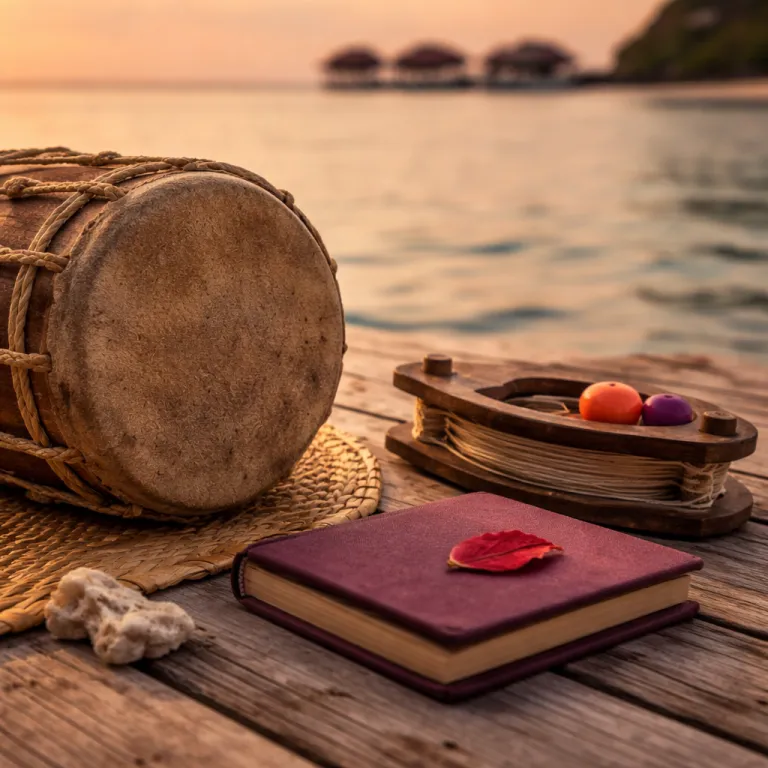
On a quiet local beach at dusk, the first Bodu Beru drumbeat cuts through the surf. This traditional Maldivian music, rooted in East African rhythms, is central to maldives culture on local islands and not just a show for tourists. When you visit Maldives during religious festivals or weddings on a local island, you may see entire communities moving in unison to the drums.
Resort cultural nights often compress Bodu Beru into a tidy thirty minute performance between cocktails and dinner. On local islands, the same music can stretch late into the night, with elders leading songs and young people learning steps in the sand. During Eid celebrations, open air feasts, Bodu Beru sessions, and community gatherings are sometimes open to respectful visitors staying in guesthouses on islands like Maafushi or Dhigurah.
A guesthouse owner on Maafushi once summed it up simply: “When we invite visitors to our Eid Bodu Beru, they dance with us, not for us.” This reflects how Maldivian island communities host travelers while protecting their environment through increased local tourism, cultural festivals, and eco-friendly initiatives. When you choose places to stay on local islands that support such events, your travel guide to the Maldives becomes a story of shared life rather than a sequence of private beaches.
Crafts, dhonis and the working seascape beyond the resort
Look beyond the infinity pool and you will notice slender wooden boats sliding along the horizon. These are dhonis, the traditional Maldivian vessels that still carry fishermen, families, and supplies between islands and atolls. On certain local islands, boat builders shape coconut timber by hand, keeping alive a craft that predates every modern resort in the Maldives.
In the central atolls, some islands offer workshops in lacquer work and mat weaving, where Maldives local artisans turn palm leaves and wood into beautiful objects. Visiting these studios on a local island gives context to the polished décor you see in luxury hotels and resorts, where similar pieces often appear without their stories. When your travel guide mentions Thulhaadhoo or other craft focused islands Maldives, consider adding a day trip by local ferry or speed boat to meet the makers themselves.
Fishing remains the backbone of life for many Maldivian people, especially in areas like Ari Atoll and Male Atoll. Traditional line fishing from a dhoni is very different from resort sport fishing, because it is embedded in community routines and seasonal knowledge. Joining a dawn fishing trip from a guesthouse on a local island Maldives lets you see how the best local fishermen read currents, clouds, and reefs long before any hotel existed.
Staying on local islands: Maafushi, Dhigurah and beyond
For travelers used to private resort islands, the idea of sleeping on a local island can feel like a step down in comfort. In reality, the best local guesthouses and small hotels on islands such as Maafushi, Dhigurah, and Thoddoo now offer stylish rooms, reliable Wi Fi, and thoughtful service. Average nightly rates around fifty US dollars mean even a careful budget can stretch to longer stays without sacrificing a beautiful setting.
Maafushi in South Male Atoll is often the first Maldives local island that visitors try, because it sits a short speedboat ride from Male and has many guesthouses. The island has a designated bikini beach for tourists, while the rest of the shoreline follows local dress codes, so you can move between resort style relaxation and respectful village life. Dhigurah in Ari Atoll feels quieter and more elongated, with a long sandbank, a small cluster of guesthouses, and access to whale shark excursions that rival those from high end resorts.
Reaching these islands can take time: the public local ferry from Male to Maafushi typically takes about ninety minutes, while a shared speedboat cuts the journey to roughly half an hour but raises the cost. Your choice between ferry and speed boat shapes not only your schedule but also your contact with Maldivian people, because ferries are where daily life unfolds. When planning where to stay, consider splitting your itinerary between a refined resort and a local island, then perhaps adding one night at an undersea suite as outlined in this elegant guide to an undersea hotel in the Maldives for a final flourish.
Etiquette, religion and navigating maldives culture on local islands
Islam is the predominant religion in the Maldives. Are there dress codes on local islands? Yes, modest attire is required.
Is alcohol available on local islands? No, alcohol is prohibited. These three short statements from official guidance explain why maldives culture on local islands feels different from the curated neutrality of many resort islands. When you step off the speedboat onto an inhabited island, you enter a community where mosques, schools, and family homes sit just behind the beach.
Visitors are expected to dress modestly away from the bikini beach, covering shoulders and knees in village streets and when visiting Male or other towns. You should avoid public displays of affection, respect prayer times, and ask before photographing people, especially near mosques or during religious events. Following these norms is not difficult, and it turns you from a passing tourist into a considerate guest whose presence supports the best things about maldives culture local islands rather than eroding them.
FAQ about maldives culture on local islands
How many local islands in the Maldives welcome tourists today ?
There are around two hundred inhabited local islands in the Maldives, and a significant share now host guesthouses and small hotels. Official figures from the Ministry of Tourism list more than 180 local islands with registered tourist accommodation. This network of islands offers travelers many places to stay beyond traditional resort islands and allows you to combine a luxury resort experience with time in Maldives local communities on the same trip.
What is the difference between a resort island and a local island ?
A resort island in the Maldives is usually leased to a single company, with one resort controlling the entire island and its beaches. A local island is an inhabited community where Maldivian people live, work, and attend school, and where tourism coexists with daily life. On local islands you follow community rules on dress and behavior, while resort islands are more relaxed but less connected to authentic maldives culture local islands.
How do I travel between Male and local islands on a budget ?
From Male you can reach many local islands by public local ferry, which is the most budget friendly option but often takes hours. Private or shared speedboat services run to popular islands like Maafushi, Dhigurah, and others in Male Atoll and Ari Atoll, costing more but saving time. Your travel guide or hotel can usually arrange either a ferry ticket or a speed boat seat depending on your schedule.
Can I wear a swimsuit on local islands in the Maldives ?
On inhabited local islands you may only wear swimsuits on designated bikini beach areas, which are clearly marked for tourists. Elsewhere on the island, including village streets and non tourist beaches, modest clothing that covers shoulders and knees is expected. Resort islands and some excursion boats are more flexible, but respecting local norms on each island Maldives keeps your experience smooth.
Are local island stays suitable for solo travelers seeking comfort ?
Many guesthouses and small hotels on local islands now offer air conditioned rooms, private bathrooms, and attentive service that suit solo travelers who value comfort. While they may not match every amenity of the best five star resorts, the cultural immersion and personal connections often feel richer. Choosing highly rated places to stay on islands Maldives such as Maafushi, Dhigurah, or others in Ari Atoll gives you a balanced mix of safety, comfort, and authentic maldives culture local islands.