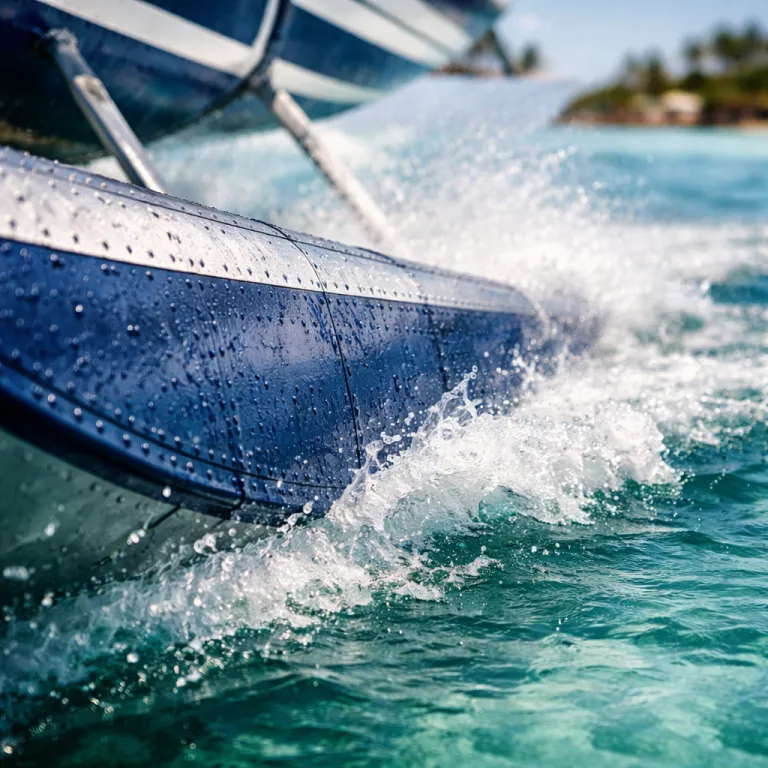
Premium all inclusive reshapes the maldives travel season 2026
Premium all inclusive has moved from niche perk to near default choice for couples planning the maldives travel season 2026. With a clear majority of recent April arrivals choosing premium all inclusive, the Maldives Marketing and Public Relations Corporation (MMPRC) now treats this format as central to peak season Maldives strategy, as reflected in its 2024–2026 roadshows and trade updates on the official Visit Maldives channels. For travellers, this shift changes the best time to lock in reservations, the way they budget per day, and even which islands feel genuinely relaxed once they arrive.
For high end resorts across the Maldives, premium all inclusive now means serious wine lists, chef led tasting menus, and credible wellness programmes rather than buffet heavy packages. Couples visiting Maldives during the dry season increasingly want certainty on total spend, so they use time visit tools on booking platforms to compare average nightly rates against inclusions such as house reef snorkelling, non motorised water sports, and spa credits. This is especially relevant from December to April, when the best time for clear water and long hours of sunshine coincides with the highest room categories selling out months in advance; one Malé based travel planner recently noted that “overwater pool villas for New Year’s Eve now disappear 8–10 months ahead on the most in demand islands.”
Data from the Maldives tourism authorities frames the context for the maldives travel season 2026, with a widely discussed government target of around 2.4 million visitors for the calendar year, in line with the Ministry of Tourism’s latest statistical yearbook and MMPRC growth projections. Their public FAQ on the official Visit Maldives website underlines that “December to April offers sunny weather; May to November has fewer crowds and lower prices.” For couples, that means the classic dry season from December to April remains the best time of year for predictable weather Maldives conditions, while the wet season from May to November opens quieter beaches, softer pricing, and more space at premium all inclusive island retreats.
Weather patterns still define the perceived best time to visit, even as booking behaviour evolves. The dry season Maldives window from November to April typically brings lower humidity, calmer seas, and average daytime temperatures around 29 °C, which suits travellers focused on beach relaxation and smooth seaplane transfers. During the wet season, short but intense showers punctuate otherwise bright days, yet many couples now see this rainy season as an opportunity to secure larger villas and better wine pairings for the same budget; a resort revenue manager in Baa Atoll recently described May and June as “the months when guests discover that moody skies and empty sandbanks can feel more luxurious than a packed festive week.”
For luxury travellers, the key is to read the season Maldives data with nuance rather than chasing a single best month. April best suits those who want the tail end of the dry season with slightly softer rates, while Maldives December stays appeal to guests seeking festive programming and cooler evenings. Across the year round calendar, the most in demand islands balance strong house reefs, thoughtful design, and serious culinary teams, not just overwater villas lined up above turquoise water, and MMPRC’s trade presentations increasingly highlight this mix of marine life, architecture, and gastronomy as the foundation of the maldives travel season 2026.
May’s surprise availability window and what it means for couples
Schedule adjustments from major carriers such as Air India and Air Arabia have quietly opened an unusual pocket of May availability, right after the traditional peak of the maldives travel season 2026. Recent timetable updates filed with aviation regulators show additional frequencies into Malé around late April and early May, which matters because May usually marks the start of the wet season, when many couples hesitate, yet the actual weather Maldives pattern often delivers long bright intervals between showers. For flexible travellers, this time of year can be the best season to secure premium all inclusive villas on sought after islands without booking nine months ahead.
On Kaafu Atoll near Malé, several luxury properties report last minute openings in their higher villa categories for early May, especially those with strong house reefs and private beach access. In the Baa and Raa atolls, where the Indian Ocean currents start to shift, resort teams expect more short notice bookings from couples who understand that the rainy season brings richer marine life rather than constant storms. If you plan to visit Maldives during this shoulder period, use hotel availability calendars and flight schedules together, checking both time visit flexibility and transfer timings before committing.
Average temperatures in May remain close to the rest of the year, with warm water ideal for snorkelling and diving around the islands. The main difference is more variable cloud cover and passing showers, which can actually soften the midday heat on exposed beaches and overwater decks. For couples who value privacy over guaranteed blue sky every day, this low season edge can feel like a private island takeover at a fraction of high season rates, especially when premium all inclusive plans fold in à la carte dinners, sunset cruises, and daily spa rituals that would otherwise add up quickly.
From June to September, the pattern shifts again, with the June to September monsoon bringing stronger winds and livelier seas on some outer atolls. Travellers considering stays in Jun Jul should pay attention to seaplane and speedboat reliability, especially for late afternoon arrivals when weather can disrupt transfers. Resorts with robust marine teams often turn these months into an advantage, highlighting manta ray and whale shark excursions that are harder to schedule in the calmer dry season, and MMPRC’s seasonal wildlife briefings regularly flag this period as prime time for pelagic encounters.
Architecturally ambitious properties, especially those built as elevated lagoon dwellings, come into their own once the wet season breeze picks up. If you are drawn to stilted villas and long timber walkways above the lagoon, this is the moment to study guides on the art of elevated lagoon living, such as the dedicated feature on Maldives pole homes and refined overwater design at this in depth lagoon living guide. Choosing the right island and orientation can mean enjoying the drama of the season without sacrificing sleep to wind noise or choppy ladder entries into the water.
Record arrivals, pricing shifts and how to choose your island retreat
The Maldives tourism board has described the recent peak as one of the most successful seasons on record, with the maldives travel season 2026 building on that momentum. As more April guests opt for premium all inclusive, it reshapes how resorts price both the dry season and the following low season, a trend echoed in quarterly occupancy reports published by the Ministry of Tourism. For couples, the practical effect is sharper rate differences between December to April and the rest of the months, but also richer inclusions when they commit to a package.
As the government targets roughly 2.4 million visitors for the year, concerns about overcrowding focus mainly on transit points and a handful of headline islands near Malé. The reality on most resort islands is different, because each property controls guest numbers tightly and maintains generous beach frontage per villa. The real pressure shows up in booking lead times for the best time slots at signature restaurants, spa pavilions, and private sandbank experiences during the classic November to April dry season, with some resorts now opening festive season waitlists more than a year in advance.
To navigate this, couples should think in terms of micro seasons within the broader season Maldives narrative. Early November and late April best suit travellers who want dry season weather with slightly more negotiating power on upgrades, while October and early May can offer a sweet spot between average occupancy and attractive rates. During the core months, visiting Maldives with a premium all inclusive plan often delivers better value than room only once you factor in wine, à la carte dining, and private excursions, and MMPRC’s consumer campaigns increasingly encourage visitors to compare inclusions rather than headline nightly prices alone.
Island choice matters as much as timing, especially for travellers who care about local culture, marine conservation, and design. Some resorts in Baa and South Ari atolls lean into year round marine experiences, using the wet season to highlight manta cleaning stations and whale shark research, while others in North Malé focus on surf breaks that peak between June and September. If creative programming and art led spaces appeal, consult curated lists of the best resorts for creative minds, such as the feature on immersive art and inspiration at this guide to art focused Maldivian retreats.
For honeymooners and romantic travellers, the dominance of premium all inclusive has a direct upside. Specialist collections of Maldives all inclusive resorts for an unforgettable honeymoon escape, including those highlighted at this curated honeymoon all inclusive selection, now feature stronger culinary concepts, better by the glass Champagne, and more thoughtful privacy in villa layouts. Whether you travel in the dry season, the shoulder months, or the heart of the wet season, the combination of careful island selection and honest package comparison remains the best time tested strategy for securing a stay that feels both luxurious and quietly personal.
Practical timing notes for luxury planners
For couples planning far ahead, booking six to nine months before the intended time of year of travel remains wise for the most coveted villas. The Maldives Tourism Board advises that “How far in advance should I book for peak season? It’s recommended to book 6-9 months ahead for travel between December and April.” Their guidance, published in the official Visit Maldives FAQ and echoed in MMPRC trade webinars, aligns with what luxury travel agencies and online booking platforms see in real time availability data.
Those considering the wet season should not underestimate its advantages for certain experiences. The same official FAQ notes that “Are there benefits to traveling during the wet season? Yes, there are fewer crowds, lower prices, and opportunities to see manta rays and whale sharks.” For many couples, that trade off between guaranteed blue sky and richer marine encounters defines their personal best time to visit Maldives, especially once they see that average temperatures and sea conditions remain comfortable even when showers pass through.
Finally, remember that the Maldives operates as a year round destination, with subtle shifts rather than binary on off conditions. Local teams use both modern forecasts and traditional seasonal knowledge to read changes in winds, currents, and cloud patterns across the months. If you stay flexible on exact dates within your preferred season, you can often align your visit with calmer water, longer hours of sunshine, and the specific island rhythm that suits your style of luxury travel, making the most of the evolving maldives travel season 2026 without feeling locked into a single “perfect” week.