Why luxury travellers should care about Maldivian crafts
Most travellers arrive in the Maldives for the lagoon, not the lathe. Yet the country’s traditional crafts on local islands hold the key to understanding how this nation learned to thrive between reef and monsoon. When you step beyond the curated experiences of private resorts and walk a lived-in island street, Maldivian culture stops being a backdrop and becomes the main story.
Across more than 200 inhabited islands, communities have shaped a distinctive heritage from trade winds that once linked South India, Arabia, East Africa and Southeast Asia. That rich history is written not only in coral mosques and Maldives history chronicles, but in the feel of lacquer against your palm, the pattern of mat weaving under your feet and the curve of a dhoni boat carved from wood. For families, these traditional crafts turn a luxury trip into a hands-on project in cultural understanding rather than just another resort stay.
On a premium booking platform focused on the Maldives’ most beautiful stays, you can now filter for resorts that actively connect guests with local islands and cultural heritage. Choosing a Maldives island hotel that partners with nearby artisans means your travel budget supports traditional skills instead of only imported entertainment. It also gives children a tangible way to meet local communities, from watching bodu beru music and dance rehearsals to tasting Maldivian cuisine after a workshop in lacquer work or mat weaving.
Thulhaadhoo lacquerware and the art of colour on wood
In Baa Atoll, the island of Thulhaadhoo is where lacquer turns into living history. Here, Thulhaadhoo artisans still shape wood on hand-powered lathes, building on a culture the Maldives developed over centuries of maritime trade. When you enter a small workshop, the scent of freshly cut island timber mixes with pigment and resin, and the story of Maldivian handicrafts suddenly feels very close.
Traditional Maldivian lacquer work, known locally as liyelaa jehun, once decorated royal furniture, ceremonial boxes and kasabu boavalhu, the ornate borders of women’s garments. Today, makers experiment with modern designs for trays, vases and jewellery, yet the traditional techniques remain the same, with layers of lacquer polished until the art almost glows. One craftsperson might spend days building up colours before a final burnish, explaining to visiting children how each stripe represents sea, reef or sunset. Buying directly from these island-based artists, rather than from anonymous resort shops, keeps both the cultural and economic value on Thulhaadhoo.
Families staying at nearby luxury resorts can usually arrange a half-day visit by speedboat, often combined with a bodu beru performance or a short walk through the local island streets. Typical transfer times from Baa Atoll resorts range from 20 to 45 minutes, with private excursions often priced similarly to a premium snorkelling trip. This is where an honest guide to culture in the Maldives, such as the in-depth piece on bodu beru, line fishing and island poetry at the culture the resort does not show you, becomes more useful than any glossy brochure. Bring a camera for respectful photo moments, but ask before shooting close-ups of people, and let children sketch their favourite designs as a quieter way to engage.
Gadhdhoo mats and the quiet power of weaving
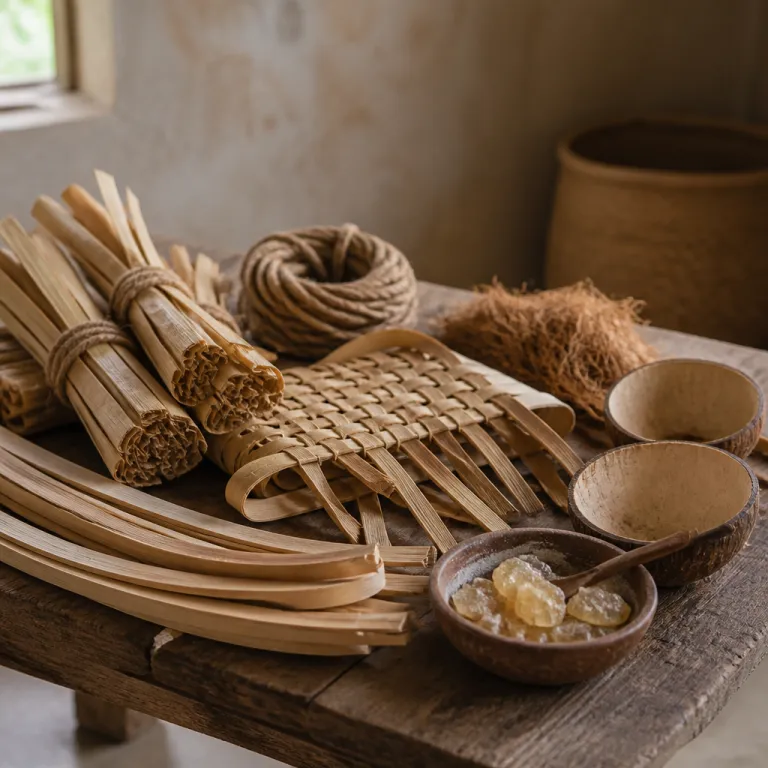
Far to the south, Gadhdhoo in Gaafu Dhaalu Atoll is synonymous with mat weaving. Here, women artisans known collectively as Gadhdhoo Weavers transform dried reeds from the screw pine plant into thundu kunaa, the finely patterned mats that once travelled along Indian Ocean trade routes as prized diplomatic gifts. The craft sits at the heart of Maldivian life, from prayer spaces to ceremonial exchanges, and it remains one of the purest expressions of island culture.
Watching mat weaving in a shaded courtyard, you see how cultural heritage is literally built strand by strand. The designs often echo fish scales, waves or island flowers, turning each mat into a subtle map of the Maldives’ beautiful marine and terrestrial ecosystems. A weaver may pause to dampen the reeds with seawater and tell a story about learning patterns from her grandmother. For children, counting the colours and tracing the motifs becomes an intuitive lesson in how art, environment and Maldives history are woven together on these islands.
Luxury resorts in the south increasingly organise day trips to this local island, sometimes pairing the visit with a simple Maldivian cuisine tasting in a family home. When you book, ask your hotel concierge whether payments go directly to the weavers and whether there is an option to commission a custom piece as a long-term travel memento. Expect boat transfers of 30 to 60 minutes from most Gaafu Dhaalu properties, with small-group cultural excursions typically priced in line with a half-day diving trip. That way, your interest in Maldivian crafts and local island life supports both the preservation of skills and the economic resilience of the nation beyond the resort economy.
Dhoni boat building, coral mosques and the architecture of an island nation
Traditional dhoni builders are the quiet engineers of Maldivian life. In small boatyards scattered across various islands, craftspeople still shape hulls from wood using hand tools, guided more by inherited knowledge than by formal blueprints. These boats once carried fish, families and freight across the Indian Ocean, and many are still used today for fishing and transportation.
For travellers, visiting a working yard reveals another layer of culture in the Maldives that rarely appears in resort marketing. Children can watch how curved planks are bent into place, learn the names of different fish species targeted by these vessels and understand why the dhoni silhouette remains iconic in Maldives island imagery. Some resorts partner with local yards to restore older boats for sunset cruises, turning a simple excursion into a floating lesson in Maldivian history and design.
Combine a boatyard visit with time in Malé, where the National Museum and Hukuru Miskiiy, the historic Friday Mosque built from coral stone, anchor the story of Maldivian culture in architecture as well as in crafts. Here, carved panels, calligraphy and old kasabu boavalhu textiles show how art, religion and daily island life intersected over centuries. A thoughtful itinerary that links dhoni construction, coral stone carving and museum collections gives families a coherent view of how this island nation translated its environment into both sacred and everyday spaces.
How to visit local islands respectfully from a luxury resort
Turning a five-star stay into a meaningful cultural journey requires a little planning. When browsing a luxury booking website for the Maldives, look for resorts that explicitly mention partnerships with local islands, artisan workshops or cultural projects in their descriptions. These properties tend to offer more than staged bodu beru shows, instead curating small group visits where island hosts set the pace and narrative.
Logistics are usually straightforward, with speedboat transfers ranging from 15 to 60 minutes depending on the island and atoll. Costs vary by distance and group size, but a private family excursion that includes a lacquer work demonstration, a mat weaving visit and a simple Maldivian cuisine lunch often represents better value than another generic water sport session. For a broader sense of how rising visitor numbers shape such experiences, the analysis of the country’s biggest tourism season at what that means for your next trip offers useful context.
Respectful etiquette matters on local islands, where cultural norms differ from resort life. Dress modestly away from designated bikini beaches, ask before taking a close photo of anyone and keep public displays of affection discreet in line with traditional Maldivian values. When shopping, prioritise items that clearly reflect authentic island crafts, such as lacquer, wood carvings or woven mats, rather than mass-produced souvenirs that could come from any tropical destination.
The economics and future of Maldivian crafts for travelling families
Behind every lacquered box or woven mat lies an economic story. Public statements from the Maldives Ministry of Tourism and the Maldives Craftsmen’s Association indicate that traditional handicrafts remain a small but symbolically important part of the visitor economy, with demand rising as more travellers seek locally made souvenirs. While exact figures vary between reports and years, the underlying message is consistent: tourism revenue and cultural heritage are now closely intertwined in this island nation.
For families booking premium resorts, the question becomes how to ensure that spending supports authentic practice rather than only decorative performances. Choosing guided visits that include time in real workshops, paying fair prices for traditional crafts and tipping directly when appropriate all help sustain Maldivian culture beyond staged music and dance evenings. When you hear bodu beru drums or see a lacquered kasabu boavalhu motif in a hotel lobby, you can then connect it back to the local islands and artisans who keep these traditions alive.
There is also a quiet revival underway, with younger makers experimenting with contemporary designs, eco-conscious materials and digital platforms to sell their work. Some resorts now host short family-friendly workshops where children can try simple lacquer patterns, basic mat weaving or even a small bodu rhythm on a drum, turning passive observation into active learning. As one practical visitor guide notes, “Visit Thulhaadhoo for lacquerware, explore Gadhdhoo for mat weaving, observe dhoni building in local boatyards.”
FAQ
Where can I buy authentic Maldivian lacquerware during a resort stay ?
The most reliable place to find authentic lacquerware is Thulhaadhoo in Baa Atoll, where specialist artisans still practise traditional lacquer work using lathes and natural resins. Many high-end resorts in the atoll can arrange half-day excursions to this local island, allowing you to visit workshops and purchase directly from makers. This approach supports Maldivian craft traditions on local islands more effectively than buying anonymous items in generic resort boutiques.
What materials are used in Maldivian mat weaving and why do they matter ?
Traditional mats from islands such as Gadhdhoo are woven from dried reeds of the screw pine plant, which grows along the shores of many Maldives island communities. The choice of this material reflects both environmental adaptation and cultural heritage, since the reeds are durable, flexible and well suited to humid conditions. When you see these mats in mosques, homes or resorts, you are looking at a direct link between Maldivian life, local ecology and centuries of craft knowledge.
Are traditional dhonis still used, or are they only for tourists now ?
Traditional dhonis remain very much part of everyday Maldivian life, especially for fishing and inter-island transport in atolls with fewer scheduled ferries. While some boats have adopted modern engines and materials, many still follow classic wood-based designs shaped by experienced dhoni builders. For visitors, choosing excursions on such vessels offers a more authentic connection to Maldives history than generic speedboat trips.
How can families ensure their cultural excursions are respectful and child friendly ?
Start by booking through resorts that have long-term relationships with specific local islands, since these partners usually understand community expectations and sensitivities. Dress modestly, brief children about asking permission before taking a photo and encourage them to engage through questions or sketching rather than touching tools or materials without invitation. Opt for small group visits that include time for conversation with artisans, which helps children see Maldivian hosts as teachers and collaborators rather than performers.
What should I look for when choosing a luxury hotel that supports Maldivian crafts ?
When browsing a premium booking website, read property descriptions carefully for mentions of artisan collaborations, local island excursions focused on crafts or in-house cultural heritage programmes. Resorts that highlight partnerships with Thulhaadhoo artisans, Gadhdhoo weavers or similar groups usually take Maldivian craft heritage seriously rather than treating it as a marketing afterthought. You can also email the concierge before booking to ask how often visits run, how artisans are paid and whether any hands-on activities are suitable for children.