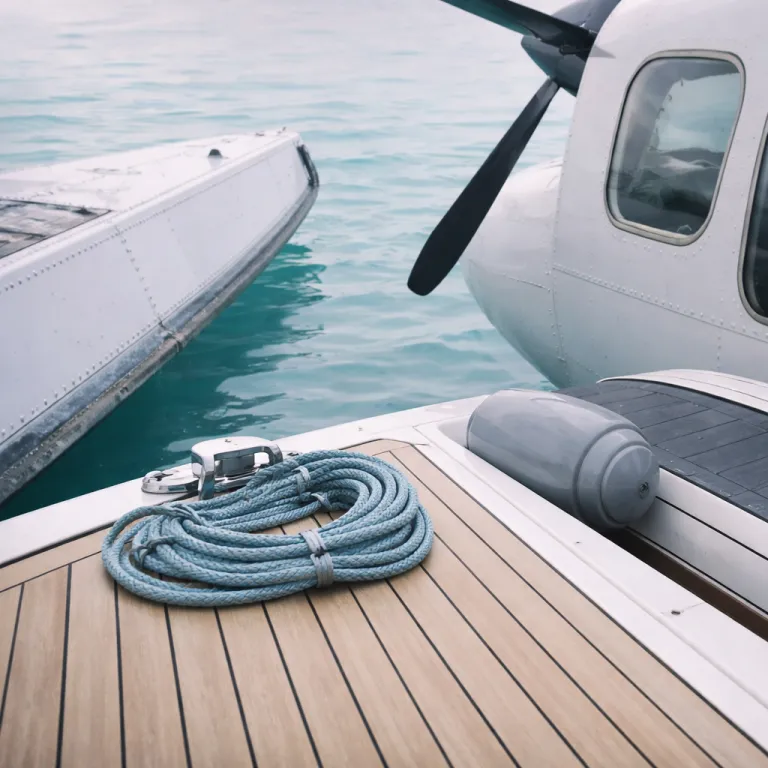
Why your Maldives resort transfer matters more than the room key
The way you reach your Maldives resort quietly dictates the rhythm of your entire stay. A Maldives resort transfer by seaplane or speedboat decides whether you are swimming by late afternoon or watching runway lights from an airport hotel. For independent travelers, the transfer is not a footnote in the booking process but a core part of the luxury experience.
From the moment your international flight lands at Velana International Airport in Malé, every decision about transfers affects time, budget and even which islands you can realistically reach. The geography of the atolls means that some Maldives island retreats are only accessible by seaplane, others only by speedboat, and the most remote islands require a domestic flight followed by a speedboat transfer. Understanding these patterns lets guests choose a Maldives resort that matches both their travel style and their tolerance for transit.
Resort staff and transfer operators work together behind the scenes to choreograph this journey for guests. In practice, that means your hotel confirms your arrival time at the international airport in Malé, books the appropriate transfer, and slots you into a seaplane, a Maldives speedboat or a domestic flight according to daylight, sea conditions and atoll distance. The actors are simple on paper, but the choices between seaplane, speedboat and domestic flight shape how much of your precious time in the Maldives you actually spend on the water or over the reef rather than in transit lounges.
Seaplane transfers: cinematic, costly and strictly daylight
For many travelers, the first image of a Maldives resort transfer is the seaplane skimming over turquoise lagoons. A seaplane flight from Malé to outer atolls usually takes between 20 and 60 minutes, with costs commonly ranging from about 400 to 700 USD per person for a return transfer. Within that band, a mid-range benchmark of roughly 400 USD per person (round trip) appears most frequently in 2023–2024 pricing data shared by IM Maldives and partner operators, and is broadly consistent with public rate guidance from major carriers such as Trans Maldivian Airways and Manta Air, making the seaplane the most expensive option, but also the fastest for distant islands where speedboat transfers would be impractical.
Seaplanes operate only during daylight hours, which is where late arriving international flights into the airport complicate the dream. If your plane lands in Malé after mid afternoon, resort staff may not be able to secure a same day seaplane transfer to your chosen Maldives resort, and you may need to overnight in Malé or on a nearby island in North Malé Atoll. This is where the cost per night calculation becomes critical, because a 600 USD seaplane ticket that steals a night from your resort spa villa can be less attractive than a closer island reached by Maldives speedboat at any hour.
Luggage restrictions on seaplanes matter for luxury travelers who arrive with dive gear, camera equipment or formal wear for private dinners. Most operators allow around 25 kilograms of checked baggage and 5 kilograms of hand luggage per person, with excess charged per kilogram and sometimes delayed onto later transfers. These allowances align with the standard policies published by Trans Maldivian Airways and Manta Air as of early 2024, though individual resorts may negotiate slightly different limits or fees, so it is always worth checking your confirmation letter for the latest figures.
Families should pay particular attention to these constraints when comparing Maldives resorts that rely on seaplanes. If you are travelling with young children, strollers and snorkel gear, the luggage rules and the need to connect within daylight hours can add stress to what should be a soft landing into island life. For a deeper look at how family focused properties handle these logistics, see this guide to Maldives resorts that get family travel right. Choosing a resort spa that balances seaplane drama with practical transfer windows can make or break a first trip with kids.
Speedboat transfers: flexible timing and the art of staying close
Speedboat transfers are the quiet workhorses of Malé Atoll, shuttling guests between the international airport and nearby islands at almost any hour. A typical Maldives speedboat transfer from Velana International Airport to a resort in North Malé Atoll or South Malé Atoll takes between 20 and 60 minutes, depending on distance and sea conditions. Costs usually sit around 150 USD per person for a return trip, making speedboat options significantly more affordable than seaplanes for the same number of guests, according to 2023–2024 contracted rates collated by IM Maldives and confirmed against sample resort fact sheets.
The key advantage of speedboat transfers is timing, because boats can operate 24 hours a day when conditions allow. That means late night international arrivals into Malé can still reach their resort the same evening, avoiding an unplanned night in a city hotel and preserving one more sunrise on the island. For solo travelers or couples who value every hour of their stay, choosing a Maldives resort within speedboat range of Malé Atoll can be a smart way to maximize time in the water rather than in transit.
Weather still matters, especially during the southwest monsoon when wind and swell can slow speedboat transfers or make them uncomfortable. Resorts with serious hardware, such as the Ritz Carlton Maldives, Waldorf Astoria Maldives Ithaafushi or Jumeirah Maldives Olhahali Island, tend to operate larger, more stable boats with better seating and covered decks. If you are travelling in the so called green season, it is worth reading a detailed perspective on the upside of travelling to the Maldives when the crowds leave, then pairing that insight with a resort whose speedboat fleet is built for choppier seas.
For many independent travelers, the sweet spot is a private island in North Malé Atoll or South Malé Atoll that offers both shared speedboat transfers and the option of a private speedboat charter. This gives you the flexibility to align your arrival and departure with your international flights while still enjoying the intimacy of a small island and the full service of a luxury resort spa. When you factor in transfer costs in USD against nightly rates, staying closer to Malé can free budget for longer stays, better villas or more time in the spa.
Domestic flights plus speedboat: reaching the far atolls
Some of the most remote and least crowded islands in the Maldives sit far beyond seaplane range, in atolls such as Laamu or Addu. To reach these, the standard pattern is a domestic flight from Malé to a regional airport, followed by a shorter speedboat transfer to the resort. Round trip domestic flights often cost around 350 USD per person, with the onward speedboat transfer priced separately by the hotel; these figures are drawn from 2023–2024 fare tables published by local airlines such as Maldivian and Villa Air, cross checked against IM Maldives booking data.
This combination adds time to your journey, but it opens up Maldives resorts where the house reef feels almost private and the atoll sees far fewer day boats. Properties like Six Senses Laamu or resorts in the deep south trade a longer transfer for a quieter lagoon, more consistent surf breaks and a stronger sense of being on the edge of the Indian Ocean. For travelers who measure luxury in solitude rather than in proximity to Malé, the domestic flight plus speedboat model can be the most rewarding route.
Operationally, domestic flights run on fixed schedules, which means your international arrival into Velana International Airport needs to align with the next available departure. Resort staff coordinate these transfers with local airlines and speedboat operators, but you should still expect some waiting time at the airport or in a lounge. The upside is that domestic aircraft can operate after dark, unlike seaplanes, so late arrivals into Malé can still connect to far flung islands without an overnight stay in the capital.
Weather can still disrupt this chain, especially when strong winds affect both flights and speedboat transfers between the regional airport and your private island. During unsettled periods, resorts may adjust timings or even hold guests in Malé Atoll until conditions improve, prioritizing safety over speed. If your idea of luxury includes long, empty sandbanks and a reef shared with only a handful of other guests, accepting this extra layer of logistics is often a fair trade.
How transfers shape your choice of island, resort and budget
Choosing between seaplane, speedboat and domestic flight is not only about the journey, it is about which islands you can realistically reach within your budget and time frame. When you compare Maldives resorts, always add the full transfer cost in USD to your total stay and then divide by the number of nights to understand the real cost per night. A seemingly higher nightly rate at a resort in North Malé Atoll reached by Maldives speedboat can become more attractive once you factor in lower transfer prices and the ability to arrive late at night.
For example, a Maldives resort that requires a 600 USD seaplane ticket per person might make sense for a seven night stay, where the cost is spread across a full week of reef time. The same transfer to the same island feels less rational for a three night escape, where you lose half a day on each side to seaplane schedules and luggage handling. In contrast, a resort spa on a private island close to Malé Atoll, reached by a 150 USD speedboat transfer, can work beautifully for a long weekend because you are in the water within an hour of clearing immigration.
Specific properties illustrate these trade offs clearly. The Ritz Carlton Maldives, Fari Islands and Patina Maldives both sit in North Malé Atoll and rely on high quality speedboat transfers, which makes them ideal for late night arrivals and short, high impact stays. Gili Lankanfushi, also reached by speedboat from the international airport, offers a more laid back private island rhythm but with the same transfer flexibility, while Waldorf Astoria Maldives Ithaafushi uses a fleet of large, comfortable boats to bridge the distance from Malé with considerable style.
When you look beyond Malé Atoll, names like Jumeirah Maldives Olhahali Island or One&Only Reethi Rah show how transfer choices and brand positioning intersect. Jumeirah Maldives Olhahali Island is accessible by speedboat or seaplane, giving guests a choice between speed and spectacle, while One&Only Reethi Rah leans on polished speedboat transfers that match its high touch service. For a more granular sense of how location, reef quality and transfer logistics combine, the in depth atoll perspective in this refined guide to North Malé luxury travel is a useful companion read.
Weather, delays and what happens when transfers go wrong
Monsoon patterns in the Maldives do not only shape surf and visibility, they also influence how reliably you can move between islands. Seaplanes are particularly sensitive to heavy rain, low cloud and strong winds, which can lead to delays or cancellations that cascade through a day of transfers. When that happens, resorts and transfer operators work together to rebook guests, sometimes overnighting them in Malé or shifting them onto later flights when conditions improve.
Speedboat transfers are more robust in poor visibility, but they are still constrained by sea state, especially on longer runs across open channels between atolls. During rough spells, resorts may delay departures, switch to larger boats or, in rare cases, cancel transfers entirely until conditions ease. Domestic flights sit somewhere in between, with more tolerance for weather than seaplanes but still subject to operational limits that can disrupt carefully planned itineraries.
For travelers booking high value stays at properties such as the Ritz Carlton Maldives, Patina Maldives, Gili Lankanfushi or Waldorf Astoria Maldives Ithaafushi, the key is to build a buffer into both arrival and departure plans. That might mean avoiding the very last international flight out of Malé on your final day, or accepting an overnight in the capital if your inbound flight lands too late for a safe seaplane transfer. The new terminal at Velana International Airport is gradually increasing capacity and smoothing connections, but the fundamental reality remains that the ocean and the sky still set the rules in these islands.
One practical step is to keep a small overnight bag separate from your main luggage, especially when travelling to remote atolls by domestic flight and speedboat. If weather or operational issues strand you in Malé Atoll for a night, having essentials at hand turns an inconvenience into a manageable pause rather than a crisis. On a recent July trip, for example, a couple heading to a far southern atoll missed their domestic connection after a storm front rolled in; because they had packed swimsuits and light clothes in a carry on, they were able to spend the evening at a nearby guesthouse and still start their holiday in the water rather than in airport clothes. For many guests, this is the moment when the value of a well organized Maldives resort transfer becomes most obvious, as resort staff quietly handle rebookings while you focus on adjusting your plans.
Booking strategy: working with resorts, operators and your own timing
Most luxury hotels in the Maldives prefer to manage transfers directly, bundling seaplane, speedboat or domestic flight arrangements into your reservation. This centralization allows resort staff to coordinate with transfer operators in real time, matching your international arrival at the airport with available seats on boats and aircraft. For guests, it usually means less admin and a smoother handover from immigration to lounge to island.
Independent travelers sometimes ask whether they can book their own Maldives speedboat or seaplane seats to save money. In practice, seaplane transfers to Maldives resorts are almost always handled through the hotel, because aircraft are shared among multiple properties and schedules change daily based on demand and daylight. Speedboat transfers around Malé Atoll offer more room for private arrangements, but most high end resorts still require you to use their own boats for security, service and liability reasons.
When you compare offers from different Maldives resorts, always check whether transfer prices are quoted separately in USD or folded into a package. A rate that looks higher at first glance may already include a return seaplane ticket, while a cheaper offer might add several hundred dollars per person for transfers once you read the small print. The dataset used for this guide underlines the typical pattern clearly with the following verified information from IM Maldives and associated resort rate sheets (2023–2024), cross referenced against public policy pages from Trans Maldivian Airways, Manta Air and Maldivian: "Seaplane cost per person (round trip)" typically from 400 USD, "Speedboat cost per person (round trip)" around 150 USD, "Domestic flight cost per person (round trip)" about 350 USD, and the clarifying Q&A that "Which transfer is fastest?" "Seaplanes are typically fastest." "Are transfers included in resort booking?" "Often separate; confirm with resort." "Do transfers operate at night?" "Speedboats: Yes. Seaplanes: No."
For solo explorers who value control, the most effective strategy is to choose the island and atoll first, then work with the hotel to fine tune transfer timings around your preferred international flights. Whether you end up on a private island in Malé Atoll reached by speedboat, a far flung atoll accessed by domestic flight, or a classic seaplane linked Maldives resort, the goal is the same. You want the transfer to feel like the prologue to your stay, not an obstacle between you and the reef.
Key figures that define Maldives resort transfers
- Typical return seaplane transfers between Malé and outer atolls cost around 400 USD per person at the lower end of a 400–700 USD range, which often makes them the single largest expense after the hotel rate itself (source: IM Maldives data and partner resort pricing, 2023–2024, supported by public guidance from Trans Maldivian Airways and Manta Air; all prices subject to fuel surcharges, seasonal supplements and exchange rate movements).
- Average return speedboat transfers from Velana International Airport to resorts in Malé Atoll cost about 150 USD per person, which can reduce total trip cost significantly for short stays compared with seaplane linked islands (source: IM Maldives data and contracted transfer rates, 2023–2024, benchmarked against sample resort fact sheets; actual fares vary by distance, vessel type and taxation).
- Domestic flight connections to regional airports usually cost around 350 USD per person for a return ticket, before adding the onward speedboat transfer to the resort, which is why these routes tend to suit longer, more immersive stays (source: IM Maldives and local airline fare tables from Maldivian and Villa Air, 2023–2024; check current schedules and surcharges at time of booking).
- Seaplanes generally operate only during daylight hours, while speedboats can run 24/7 and domestic flights follow fixed schedules, so late night international arrivals into Malé favor resorts reachable by speedboat or domestic connections (source: operational timelines shared by transfer operators and airlines, updated 2024; exact cut off times differ slightly between carriers and seasons).
- Most seaplane operators apply luggage limits of roughly 25 kilograms checked plus 5 kilograms hand baggage per guest, which can affect packing decisions for travelers bringing dive equipment or formal wear for luxury private island stays (source: standard airline and seaplane policies in the Maldives, reviewed 2023–2024; always confirm the latest baggage rules on your resort’s transfer information sheet).
FAQ about Maldives seaplane, speedboat and domestic flight transfers
Which transfer option is best for a short stay in the Maldives ?
For stays of three or four nights, a resort in North Malé Atoll or South Malé Atoll reached by speedboat is usually the most efficient choice. Speedboat transfers operate at any hour, so you can arrive late at night and still reach your island without losing a full day. Seaplane linked resorts make more sense when you have at least five to seven nights to spread the higher transfer cost and daylight constraints.
Do I need to book my Maldives transfers myself or through the resort ?
In almost all cases, you should let the resort arrange your transfers from Velana International Airport. Seaplane schedules are managed dynamically between multiple islands, and domestic flight plus speedboat combinations require coordination that only resort staff and transfer operators can see in real time. For speedboat transfers within Malé Atoll, some independent options exist, but luxury hotels generally insist on using their own boats for service and safety reasons.
What happens if my international flight to Malé is delayed ?
If your international flight lands late, the impact depends on your chosen transfer type. Speedboat transfers can usually adjust, especially around Malé Atoll, while domestic flights may move you to the next available departure and seaplanes may stop operating once daylight fades. When delays push you past the last seaplane or domestic connection, resorts typically arrange an overnight stay in Malé and rebook your transfer for the following morning.
Are Maldives transfer costs ever included in the room rate ?
Some packages at high end Maldives resorts include transfers in the quoted rate, but many do not. It is essential to ask whether seaplane, speedboat or domestic flight costs are listed separately in USD when you receive a proposal. Comparing total trip cost, including transfers for all guests, gives a more accurate picture than looking at nightly rates alone.
Can I choose between seaplane and speedboat for the same resort ?
A few properties near Malé Atoll, such as Jumeirah Maldives Olhahali Island, offer both seaplane and speedboat transfers, but most resorts are tied to a single primary method. The choice usually depends on distance from Malé, lagoon depth and available infrastructure on the island. When both options exist, seaplanes provide a faster, more scenic ride, while speedboats offer greater flexibility for late arrivals and departures.