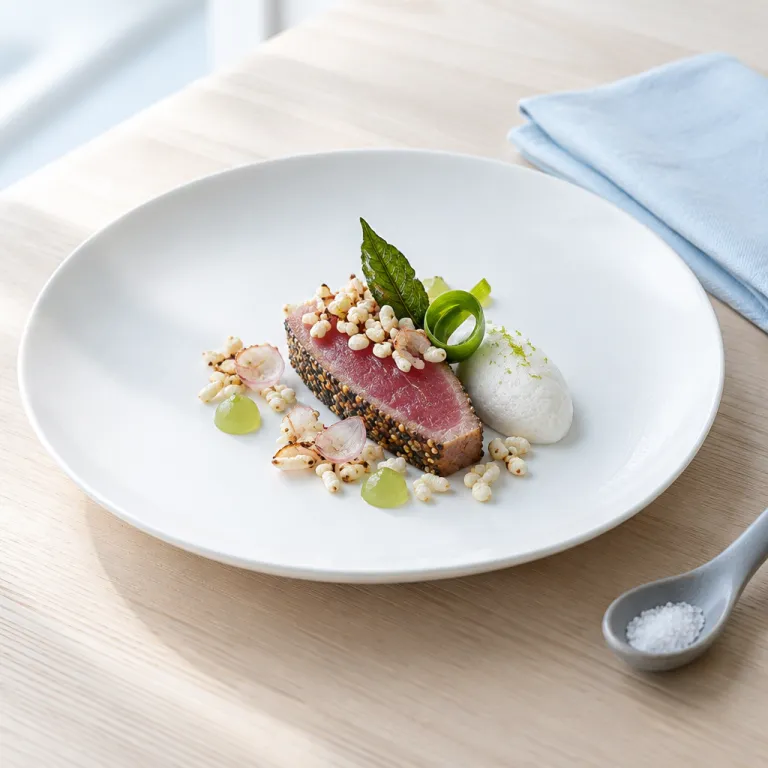
From reef to table: what Dhivehi cuisine really means
Dhivehi cuisine is the food language of the Maldives, shaped by isolation, reef geography and a seafaring history. It rests on a tight palette of tuna, coconut and rice, with chili, curry leaves and smoked fish adding depth to everyday dishes and more elaborate Maldivian dishes. When you sit down to a serious Maldivian tasting menu in a Dhivehi-focused restaurant, you are tasting how islanders turned scarcity into layered culinary delights.
Traditional Dhivehi cuisine grew from dependence on the Indian Ocean, where skipjack and yellowfin fish were preserved as dried tuna and folded into rich coconut based curries. Under the equatorial sun, cooks learned to coax flavour from every part of the catch, using curry leaf, grated coconut and lime to balance heat and salinity in both humble Maldivian food and celebratory Maldivian dishes. Islamic dietary rules, trade with Indian ports and the need for food that travelled well between atolls all shaped a cuisine Maldives guests now meet in refined tasting menus and chef’s tables.
At its core, Maldivian cuisine is about precision rather than excess, which translates naturally into fine dining and thoughtful dining experiences. A good chef respects the original Dhivehi dishes, then edits, clarifies and plates them so each element feels inevitable, whether served in an open air pavilion or under stars private to your villa deck. When you evaluate resort restaurant options on a luxury booking site, look for menus that name specific Maldivian dishes, highlight fresh seafood and reference Dhivehi cooking rather than hiding it behind generic “Indian Ocean” tags.
Why Maldivian food is finally stepping into the spotlight
For years, many luxury resorts in the Maldives treated Maldivian food as a themed buffet night while spotlighting Italian or pan Asian dining. That is changing fast, driven by travellers who want a deeper dining experience and by chefs who refuse to relegate their own cuisine to the sidelines. The result is a new generation of Maldivian cuisine fine dining concepts where local culinary identity leads instead of follows.
Post pandemic, couples booking high end stays in the Maldives are asking harder questions about authenticity, sustainability and how their experiences food connect to the islands they are visiting. Resorts have responded by investing in culinary teams, training local cooks in both traditional cooking and modern techniques, and giving them space to reinterpret Dhivehi dishes alongside Indian cuisine and other regional influences. When you compare meal plans such as all inclusive or half board, it is worth reading a guide like the one on the Maldives meal plan maze to understand how many of your dinners can realistically be spent in these new Maldivian cuisine focused venues.
There is also a quiet pride at work, as Maldivian chefs see peers gaining recognition at international festivals and in respected publications. Industry commentary from the Maldives Tourism Board points to a growing cluster of fine dining establishments across the atolls, and an increasing share now feature Maldivian dishes or full Dhivehi cuisine menus rather than just a token fish curry. For travellers, this means that choosing a resort is no longer only about villa size and reef quality, but also about which restaurant will give you the most compelling dining experiences rooted in local cuisine Maldives traditions.
KANDU at Patina Maldives: Dhivehi modern ocean to table
KANDU at Patina Maldives, in the Fari Islands, is the clearest signal that a Maldivian cuisine fine dining Dhivehi restaurant can anchor a luxury resort’s identity. Chef Abdulla Rifzan, known as Rippe, structures his multicourse tasting menu atoll by atoll, turning geography into a narrative arc for your dining experience. Each course highlights specific fish, coconut preparations and Dhivehi dishes, framed by a largely non alcoholic pairing built from traditional Maldivian drinks.
The restaurant’s design leans into an open air, almost fresco setting, with the Indian Ocean only a few metres away and the sound of water shaping the rhythm of service. Plates might feature fresh seafood cured in lime with shaved coconut and a whisper of curry leaf, followed by a refined take on garudhiya, the clear tuna broth that underpins so much Maldivian food. Pricing sits firmly in the luxury bracket, but the value lies in how the team translates everyday food Maldives flavours into a composed fine dining journey rather than a themed night.
For couples planning a stay through a premium booking platform, KANDU is the kind of restaurant that justifies choosing Patina over another resort with similar villas. Reservations are essential, and serious diners should secure a table when confirming their accommodation, especially if they want a later seating under the stars private to the outer deck. For a deeper dive into how KANDU puts Dhivehi cuisine centre stage, the dedicated feature on this restaurant at Patina Maldives offers a useful pre trip briefing.
Caravela and Nova: fusion, plant based and the new Maldivian narrative
Not every Maldivian cuisine fine dining Dhivehi restaurant takes a purist approach, and that is where Caravela at NH Collection Reethi Resort comes in. Here, Spanish and Maldivian culinary traditions meet at a twelve guest communal table, with menus like the “Atlantic Voyage of 1487” priced around 190 US dollars plus tax and service including wine pairings. Resort Manager and Master Sommelier Melroy Fernandes curates the journey, using Maldivian fish, coconut and curry leaves alongside Iberian techniques to create unexpected dining experiences.
The fusion at Caravela respects Dhivehi dishes rather than diluting them, often pairing fresh seafood from the Indian Ocean with sauces that nod to both Indian cuisine and Spanish coastal cooking. Guests might move from a refined tuna crudo with smoked coconut to a slow cooked reef fish with a sauce built on roasted tomatoes and a precise curry leaf infusion. For couples who enjoy long, conversational dinners, the shared table format turns the dining experience into a social event, while still keeping the focus on cuisine Maldives ingredients.
At Nova Maldives, the “Maldivian Flavours” series at Soul Kitchen takes a different path, proving that Maldivian dishes can be fully plant based without losing their identity. Executive Chef Sobah builds menus around breadfruit wellington, plantain gnocchi with moringa emulsion and a huni hakuru tart, translating traditional Maldivian food textures into contemporary fine dining plates. For travellers with dietary restrictions, this is one of the few resorts where gluten free, vegan and Dhivehi cuisine intersect in a way that feels intentional rather than improvised.
How to choose a resort for serious Maldivian dining
When you browse a luxury booking site for the Maldives, it pays to read beyond the overwater villa photos and focus on restaurant details. Look for at least one venue that positions itself clearly as a Maldivian cuisine fine dining Dhivehi restaurant, with a chef’s name attached and a menu that lists specific Dhivehi dishes. Resorts that take cuisine seriously will usually highlight their culinary team, tasting menu structure and how they source fresh seafood from nearby reefs.
Pay attention to how many nights you can realistically dedicate to these dining experiences, especially if your resort stay includes multiple restaurant options. A property with three or four strong venues, including one focused on Maldivian food and another on Indian cuisine or pan Asian cooking, will give you enough variety for a week without repetition. If you are a diver or snorkeller, consider pairing your culinary planning with a house reef focused itinerary, using resources such as the guide to diving channels and thilas to align your underwater and dining experiences food.
Booking early is essential, particularly for small venues like Caravela’s twelve seat table or KANDU’s peak time slots under the open air canopy. Many resorts allow you to reserve restaurants through their concierge once your villa is confirmed, and a good team will help you map out a sequence of dining experiences that balance Maldivian dishes, lighter nights and perhaps one stars private dinner on the beach. Remember that “Reserve tables in advance”, “Explore diverse resort dining options”, and “Attend local cooking classes” are not generic tips but practical steps that can transform your overall dining experience.
Cooking classes, chef led journeys and the people behind the plates
The rise of Maldivian cuisine fine dining Dhivehi restaurant concepts is not happening in isolation; it is part of a broader culinary transformation across the islands. Maldivian chefs are elevating Dhivehi cuisine to fine dining. The stated objectives are to “Showcase traditional flavors”, “Innovate with local ingredients”, and “Attract global gourmands”, and you feel that ambition in every carefully plated course.
At Milaidhoo’s Ba’theli, for example, Chef Ahmed Sivath teaches Maldivian cooking classes that let guests learn how to handle tuna, coconut and curry leaves the way home cooks do, before tasting refined versions of the same flavours at dinner. JW Marriott Maldives brings another angle with Chef Rohit Agarwal, who curates eight course Indian inspired menus that sit comfortably alongside Maldivian dishes, showing how Indian cuisine and Dhivehi cuisine can speak to each other without one overpowering the other. Collaborations with international names such as Chef Jereme Leung, who blends Chinese and Maldivian cuisines at Conrad Maldives, further expand the repertoire while keeping local fish and food Maldives produce at the centre.
For couples who care about narrative as much as taste, these chef led experiences help connect the dots between the reef, the market and the plate. You might spend a morning under the sun on a fishing trip, an afternoon in a cooking class working with curry leaf and coconut, then an evening at a fine dining table where those same ingredients appear in a polished, almost fresco setting. This is where the Maldives moves from postcard to place, and where cuisine Maldives becomes a reason to return rather than a pleasant backdrop to your stay.
FAQ
What is Dhivehi cuisine in the Maldives ?
Dhivehi cuisine is the traditional food culture of the Maldives, built around tuna, coconut, rice and chili. It includes everyday Maldivian dishes such as garudhiya, mas huni and various coconut rich curries, often seasoned with curry leaves and smoked fish. In luxury resorts, Dhivehi cuisine now appears in both casual outlets and fine dining restaurants that reinterpret these flavours with modern techniques.
Which resorts offer Maldivian fine dining experiences ?
Several high end resorts now feature serious Maldivian cuisine venues, including KANDU at Patina Maldives, Ba’theli at Milaidhoo and the “Maldivian Flavours” series at Nova Maldives. Some properties, such as JW Marriott Maldives, integrate Maldivian dishes into broader tasting menus that also reference Indian cuisine and other regional styles. When booking, look for restaurants that name Dhivehi cuisine explicitly and highlight local fresh seafood and coconut based preparations.
Are Maldivian cooking classes available for guests ?
Many luxury resorts in the Maldives offer cooking classes focused on Maldivian food, often led by local chefs. At Ba’theli, for instance, Chef Ahmed Sivath teaches guests how to prepare traditional Dhivehi dishes using tuna, coconut and curry leaf, before they taste refined versions at dinner. These sessions are a practical way to learn techniques and understand how everyday food Maldives staples translate into restaurant level culinary delights.
How much does a Maldivian fine dining meal typically cost ?
Pricing varies by resort, but a multicourse Maldivian cuisine tasting menu in a fine dining setting usually sits in the upper luxury range. At Caravela, the “Atlantic Voyage of 1487” menu is priced around 190 US dollars plus tax and service, including wine pairings, which is a useful benchmark. Non alcoholic pairings or plant based menus, such as those at Nova’s Soul Kitchen, may be slightly lower, though still positioned as premium dining experiences.
How far in advance should I book Maldivian fine dining restaurants ?
Small venues and chef’s tables in the Maldives often fill quickly, especially during peak travel periods. It is wise to reserve key restaurants such as KANDU or Caravela as soon as your resort booking is confirmed, securing preferred times and any stars private experiences like beach dinners. Following the advice to reserve tables in advance, explore diverse resort dining options and attend local cooking classes will help you build a coherent, satisfying dining itinerary.