Dhivehi Beys and the roots of Maldivian traditional healing spa culture
On most islands in the Maldives, wellness began long before the first resort spa opened. Traditional Maldivian medicine, known in Dhivehi as Dhivehi Beys, developed over centuries of observing tides, plants and the body. When you book a Maldivian traditional healing spa experience today, you are stepping into that lineage rather than a themed relaxation ritual.
Dhivehi Beys blends plant-based treatment, spiritual practice and community care, and it still informs how many Maldivian families think about healing. Local healers, often referred to as hakeems in community usage, work with indigenous herbs, seaweed and coconut to create treatments that address both physical pain and emotional imbalance. As wellness tourism now represents a significant share of visitor spending in the Maldives, according to the Ministry of Tourism’s annual statistical yearbooks, resorts increasingly look to these healers to shape spa treatments that feel authentic rather than imported.
According to cultural preservation projects documented by the Maldives National Museum and language studies published by the Dhivehi Bahuge Academy (Dhivehi Language Academy), Dhivehi Beys is recognised as a living knowledge system rather than a museum piece. Visitor guidance from the Maldives Marketing and Public Relations Corporation (MMPRC), including its 2021 and 2022 destination handbooks, often highlights three simple steps: “Research resorts offering traditional treatments. Book spa appointments in advance. Respect local customs and practices.” For couples planning a wellness journey, this means choosing resorts where Maldivian healing concepts are integrated into the spa philosophy, not just added as a single massage on a long menu.
Across the atolls, you will now find Maldives spas that reference Dhivehi Beys in their treatment descriptions. Some properties invite Maldivian healers to consult on treatment-room design, ensuring the flow of air, light and sound supports both body and spirit. As one spa director at a Baa Atoll resort explained in a 2023 interview for a Maldives Association of Tourism Industry (MATI) member newsletter, “We asked local elders how treatment spaces should breathe, then built our overwater pavilions around that advice.” When you compare options for a Maldives spa break, look for mentions of herbal poultices, traditional wooden massage tools and prayer-based healing, as these usually signal a deeper engagement with local wellness traditions.
From island remedies to resort spa menus in the best Maldives properties
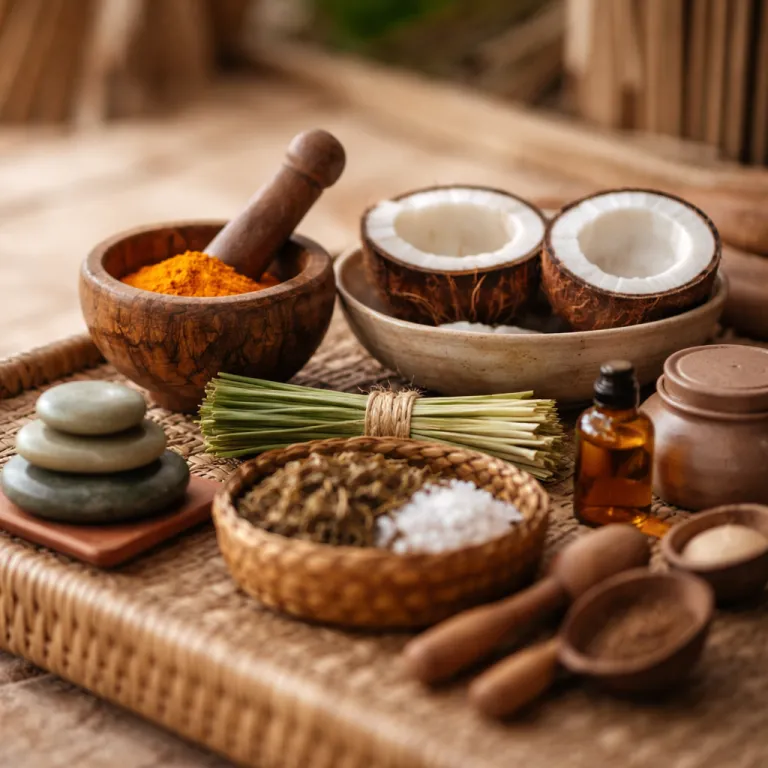
The shift from village courtyard to overwater spa pavilion has been rapid, but the ingredients remain reassuringly familiar. Coconut oil, known locally as Dhivehi Ruh in many oral accounts and ethnographic notes held by the Maldives National Museum, sits at the heart of numerous Maldivian healing rituals and still anchors many spa treatments in the best Maldives resorts. When a therapist warms coconut oil between their palms before a massage, they are echoing a practice that once unfolded under breadfruit trees rather than in air-conditioned treatment rooms.
Modern resort spa teams work with Maldivian healers to adapt these remedies into structured treatment protocols. A typical Maldives spa menu might feature a full-body massage using coconut oil infused with local herbs, followed by a cooling seaweed wrap and a short breathing practice for mental healing. At properties such as Soneva Fushi, the Soneva Soul wellness concept weaves traditional Maldivian healing elements into multi-day wellness journey programmes that sit comfortably alongside Ayurveda and contemporary therapies; in a 2022 Soneva Soul briefing shared with media, the team described this as “honouring island wisdom while embracing modern science.” For travellers seeking an authentic Dhivehi Beys spa at Soneva Fushi, these curated programmes make the connection between ancestral practice and modern wellbeing explicit.
Couples comparing luxury resorts often focus on overwater villas and infinity pools, yet the real differentiation now lies in how resorts handle wellness. Some Maldives spas simply rebrand generic Asian treatments with island names, while others invest in training therapists with local hakeems and cultural organisations. When you read detailed reviews of Maldives luxury spa resorts that elevate your senses, pay attention to whether the resort explains the origin of each treatment and credits Maldivian knowledge keepers.
Resorts such as Vakkaru Maldives and selected Sun Siyam properties increasingly highlight their collaboration with local communities in developing spa treatments. You might find an overwater treatment suite where a Maldivian-inspired ritual begins with a foot bath in crushed local flowers, moves into a deep-tissue massage using coconut oil and ends with a short guided reflection facing the lagoon. These details matter, because they show whether a resort treats Maldivian healing as a marketing hook or as the quiet centre of its wellness philosophy.
Coconut, healing earth and the sensory language of Maldivian wellness
Walk into any serious Maldives spa and you will smell coconut before you see the treatment menu. In Dhivehi Beys, coconut oil is both food and medicine, used for scalp massage, joint pain and skin healing across the islands. When resorts talk about Maldivian traditional healing spa rituals, they are usually referring to this deep relationship between coconut, body and sea air.
Traditional healers often combine coconut oil with what they describe as healing earth, mineral-rich clays and sands gathered from specific locations and used in poultices. In a contemporary resort spa, that same healing earth might appear as a body mask in an overwater treatment room, applied after a vigorous massage to draw out heat and tension. The best Maldives properties explain this lineage clearly, helping guests understand that these spa treatments are not invented in a lab but refined from generations of Maldivian practice.
Wellness professionals in the Maldives increasingly frame these rituals as part of a longer wellness journey rather than a one-off indulgence. Industry data presented at the Maldives Wellness Symposium in 2022, hosted in collaboration with the Maldives Association of Tourism Industry and the Ministry of Tourism, noted that a growing share of visitors now cite wellness as a primary reason for travel. For couples, this means you can design a stay where traditional healing sessions, ocean swims and mindful meals work together toward ultimate relaxation instead of existing as isolated activities.
When you read a detailed guide to Maldives wellness, look for language that respects this cultural context. Resorts that reference Dhivehi Beys, healing earth and coconut oil in both singular and plural forms usually show a more nuanced understanding of Maldivian wellness. They tend to offer treatment rooms that open directly to the lagoon, allowing the sound of water and the scent of coconut to frame each massage as part of the wider island environment.
Alchemy Bars, hands on rituals and the new Maldivian spa intimacy
One of the most intriguing evolutions in Maldivian spa culture is the rise of the Alchemy Bar. At first glance, it looks like a stylish apothecary, but its roots lie in the home kitchens where Maldivian families once blended coconut oil, herbs and spices for everyday treatments. For luxury travellers, this hands-on approach turns wellness from a passive service into a tactile, memorable ritual.
At resorts such as Soneva Fushi, the Soneva Soul team invites guests into dedicated Alchemy Bar spaces to craft personalised oils, scrubs and balms. You might mix coconut oil with local leaves and flowers, guided by a therapist who explains how similar preparations were used in Dhivehi Beys for skin healing or post-journey fatigue. As Soneva Soul practitioner Fathimath Shifza noted in a 2023 guest talk recorded for the resort’s wellness series, “When you grind the leaves yourself, you remember the scent long after you leave the island.” These sessions often precede a spa treatment, so the product you have created becomes the central element in your massage or body ritual.
Other high-end resorts, including Vakkaru Maldives and selected Sun Siyam properties, have introduced their own versions of this concept. Some focus on overwater spa settings, where couples blend ingredients while watching reef sharks cruise below, before moving to an overwater treatment suite for a shared massage. This intimacy between guest, ingredient and place is what sets a genuinely Maldivian traditional healing spa apart from a generic luxury spa experience that could be transplanted to any coastline.
For travellers comparing resort offers for unforgettable island escapes, the presence of an Alchemy Bar can be a useful indicator. It suggests that the resort spa values education and participation as much as it values polished treatment menus and sleek rooms. When a property encourages you to understand the plants, oils and clays that touch your body, it is usually a sign that the wellness team has engaged seriously with Maldivian traditions rather than simply borrowing their names.
Choosing a Maldivian traditional healing spa with integrity and depth
Not every Maldives spa that mentions tradition on its brochure delivers the same depth of practice. Some resorts offer a single “Maldivian massage” alongside Thai and Balinese options, with little explanation of what makes it distinct. Others build their entire wellness journey around Maldivian traditional healing principles, from the layout of treatment rooms to the training of therapists.
When assessing resorts, start by reading how they describe their spa treatments and who designed them. Properties that collaborate with Maldivian healers, cultural organisations and experienced resort spa therapists tend to explain Dhivehi Beys clearly and credit local expertise. Look for mentions of hakeems, the use of indigenous herbs and the integration of prayer or intention setting into massage rituals, as these details usually signal a more respectful approach.
It is also worth asking directly whether the spa employs practitioners trained in local traditions or simply offers imported protocols under Maldivian names. Resorts that take this seriously often provide both overwater and garden-based treatment rooms, acknowledging that some guests prefer the intimacy of enclosed spaces while others seek the drama of an overwater treatment pavilion. In both cases, the goal remains the same: to create an environment where body, mind and island landscape support genuine healing rather than staged relaxation.
For couples planning a stay, the most reliable strategy is to combine independent research with targeted questions before booking. Use specialist platforms that curate luxury spa Maldives resorts with an emphasis on authenticity, and compare how different resorts frame their spa philosophy. When you finally step into that quiet treatment room, the difference between a marketing-driven spa and a Maldivian traditional healing spa rooted in Dhivehi Beys will be immediately, and beautifully, clear.
FAQ
What is Dhivehi Beys in the context of Maldivian resort spas ?
Dhivehi Beys is the traditional Maldivian system of medicine that uses local herbs, coconut oil, sea-based ingredients and spiritual practices for healing. In a resort spa setting, elements of Dhivehi Beys appear in massage techniques, herbal poultices and body treatments that draw on these ingredients. Guests experience it through curated Maldivian traditional healing spa rituals that adapt village remedies to contemporary wellness standards.
Are traditional Maldivian treatments available at all Maldives resorts ?
Traditional treatments are not available at every resort in the Maldives, even among high-end properties. Some resorts focus on global wellness trends and offer mainly Thai, Balinese or Western-style massages without Maldivian influence. If you want a Maldivian traditional healing spa experience, you should research spa Maldives menus carefully and ask whether Dhivehi Beys-inspired treatments are offered by trained practitioners.
Which ingredients define a Maldivian traditional healing spa ritual ?
The core ingredients in Maldivian-inspired spa treatments are coconut oil, seaweed, local leaves, flowers and mineral-rich sands or clays sometimes described as healing earth. These are used in body scrubs, wraps, scalp massage and full-body massage rituals that aim to support both physical and emotional wellness. Many Maldives spas also incorporate cooling herbal compresses and simple breathing practices to complete the treatment.
How can couples choose a resort that respects Maldivian healing traditions ?
Couples should look for resorts that explain the origins of their spa treatments, name Maldivian healers or cultural partners and describe how Dhivehi Beys informs their wellness journey. Resorts that offer Alchemy Bar experiences, overwater spa suites and garden treatment rooms often provide more context about ingredients and rituals. Asking specific questions about training, use of local herbs and the role of coconut oil in massage can quickly reveal how seriously a resort treats Maldivian traditional healing spa culture.
Do Maldivian traditional healing spa experiences work alongside modern wellness therapies ?
Yes, many leading resort spa teams in the Maldives design programmes where Dhivehi Beys-inspired treatments sit alongside Ayurveda, physiotherapy, nutrition consultations and contemporary modalities. Guests might alternate between a traditional coconut oil massage, a modern spa treatment such as cryotherapy and guided movement sessions over several days. This integrated approach allows couples to enjoy ultimate relaxation while engaging with both local healing wisdom and global wellness science.