How to read a diving Maldives guide when you book your resort
Luxury travellers often arrive in the Maldives knowing the villa types, but the real upgrade comes from understanding how each island connects to its surrounding dive sites. A serious diving Maldives guide for premium hotels should explain whether you will spend your time on gentle house reef dives, fast channel drifts in the north or south, or longer liveaboard itineraries that chase sharks and manta rays across several atoll systems. When you compare properties, look beyond the overwater decks and ask which reefs, thilas and channels the resident divers and marine biologists actually dive most often.
The country stretches over 26 atoll formations, and more than 1 000 mapped dive sites mean choice can feel overwhelming for new divers. A clear guide helps you match your scuba diving level to the right atoll, whether you want relaxed reef fish encounters in north Malé Atoll or advanced grey reef shark action in the deep south. When a resort claims to offer the best Maldives experience for divers, you should see transparent information about currents, typical visibility, and the time needed by boat to reach signature sites.
Solo explorers booking high end stays should also weigh the balance between house reef access and boat diving logistics. Some islands in north Maldives and south Malé offer excellent reef walls just a few fin kicks from your villa ladder, while others rely on daily boat trips to outer dive sites with stronger currents. If your dream itinerary includes liveaboard style intensity without leaving your luxury resort, focus on islands positioned near multiple channels and thilas so you can log several varied dives in a short time.
Channels and kandus: where currents shape the Maldives best shark dives
Channel dives, known locally as kandus, are the headline act in any serious diving Maldives guide aimed at experienced divers. These cuts between the outer reef walls of an atoll funnel tidal currents, turning the water into a conveyor belt of nutrients that attracts sharks, tuna and other pelagic marine life. When the current runs from the ocean into the lagoon, divers hook onto the reef edge and watch the show as reef sharks and schooling fish hover in the blue.
Because currents can be strong in both north and south channels, most luxury dive operators reserve the most exposed sites for Advanced Open Water or equivalent scuba diving certifications. This is where you will often see grey reef sharks patrolling in numbers, sometimes joined by eagle rays and barracuda, while more sheltered parts of the same channel offer easier dives for less experienced divers. A thoughtful resort guide will label which kandus are suitable for your level and how much time you will actually spend in the current during each dive.
For travellers choosing between north south itineraries, channel character matters as much as resort style. The deep south is famous for high energy shark dives and seasonal encounters with oceanic species, while channels in areas like south Malé and parts of north Maldives balance shark action with colourful reef plateaus. If you want a broader adventure mix, look at curated resort lists such as the best Maldives resorts for adventure activities, then cross check which properties sit closest to renowned channel dive sites.
Thilas and pinnacles: why submerged reefs define the best dive sites
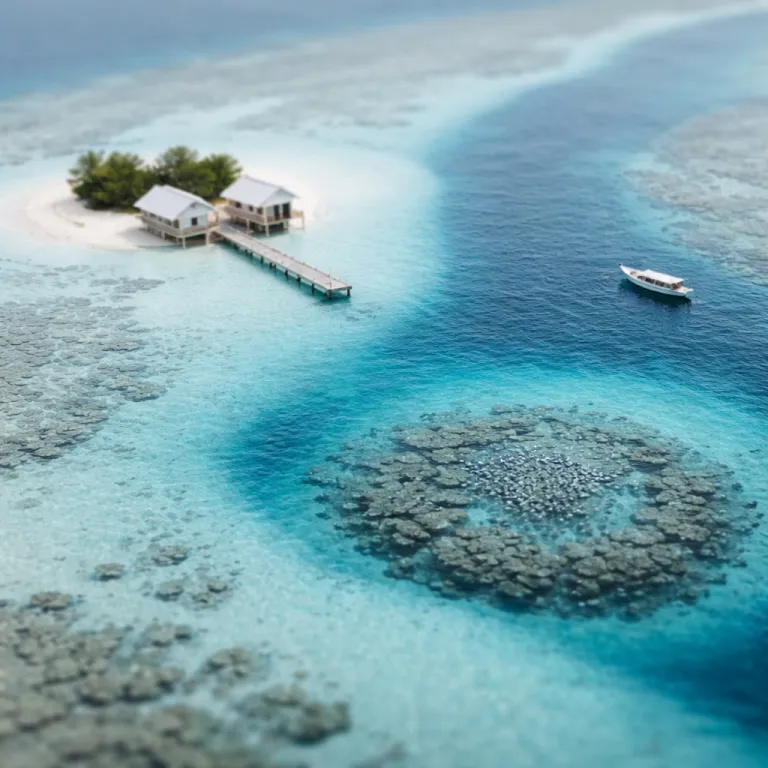
Thilas are the secret language of any expert diving Maldives guide, and understanding them helps you choose smarter when booking a high end island. A thila is a submerged coral pinnacle rising from the sea floor, and these structures interrupt currents in ways that concentrate fish, soft corals and cleaning stations for reef sharks and manta rays. Because they often sit in the middle of channels or lagoons, thila dives can feel like hovering over an underwater island ringed with marine life.
Intermediate divers usually find thilas in north Malé Atoll and other central regions to be some of the best dive options, since you can often shelter from the strongest currents while still enjoying dense fish life. Many of the maldives best rated dive sites are actually thilas, where anthias clouds, hunting jacks and occasional grey reef sharks share the same compact space. When a resort markets itself as a top choice for scuba diving, ask which named thilas they visit regularly and how long the boat ride takes from the island jetty.
Liveaboard itineraries such as those featuring the Emperor Explorer often string together multiple thilas across north south routes, giving divers a sense of how varied these pinnacles can be from atoll to atoll. Some are draped in soft corals and ideal for wide angle photography, while others are more rugged and better for spotting larger fish and reef sharks. If you prefer to stay land based, look for resorts highlighted in dedicated Maldives dive resort experiences guides, then match their nearby thilas to your comfort with depth and currents.
Night reef dives and house reefs: choosing your first after dark descent
Night diving on a Maldivian reef transforms familiar sites into something far more intimate, and a good diving Maldives guide should explain how this feels before you book. Torches pick out hunting lionfish, sleeping parrotfish and the electric sparks of bioluminescence, while the rest of the reef falls into velvet darkness. For many solo travellers, a calm house reef night dive is the most memorable experience of their entire time in the Maldives.
Resort dive teams usually recommend that divers complete at least a few daylight dives on the same reef before attempting a night dive there. This helps you understand the layout, entry points and any currents that might appear with the changing tide, which is especially important on islands close to channels in south Malé or other atoll edges. According to local safety briefings, "Is night diving safe in the Maldives? Yes, with proper guidance and equipment."
House reef snorkelling remains a strong alternative for guests who are not yet ready for scuba diving after dark, especially on islands with shallow reef tops and abundant fish. Some luxury properties even pair late afternoon spa rituals with early evening reef experiences, creating a wellness and water focused itinerary that feels uniquely Maldivian ; for more on this style of stay, see curated insights on Maldives luxury spa resorts. Whether you choose snorkel or dive, ask your guide about expected marine life at night, from hunting reef sharks to the chance of seeing nurse sharks resting on sandy patches.
Iconic marine life routes: from Hanifaru Bay mantas to South Ari whale sharks
Some of the best Maldives itineraries for divers follow the movements of specific species rather than the marketing of any single island. In Baa Atoll, Hanifaru Bay sits inside a UNESCO Biosphere Reserve and is renowned for seasonal manta rays that gather in astonishing numbers when plankton rich currents swirl into the bay. While scuba diving is restricted there to protect marine life, luxury resorts and liveaboards organise guided snorkel excursions that still feel like a once in a lifetime immersion.
Further south, the South Ari Marine Protected Area forms a long corridor where whale sharks can be seen year round, with conservation technology such as the Tech4Nature programme helping monitor these gentle giants. Many high end resorts and liveaboard vessels, including itineraries featuring Emperor Explorer, structure their dives and snorkel trips around the best time of day and tide to encounter these animals. When comparing properties, look for transparent data on how often their divers actually see whale sharks or manta rays, rather than vague promises of daily encounters.
For travellers torn between north Maldives and southern routes, think about whether you prefer structured marine life hotspots or more exploratory shark dives in the deep south. A balanced diving Maldives guide will explain that Hanifaru Bay excels for manta rays, South Ari shines for whale sharks, and certain channels in both north and south deliver reliable reef sharks and rich fish life. Building your trip around two contrasting atolls, linked either by a short domestic flight or a liveaboard extension, can turn a single luxury stay into a broader marine life journey.
Matching certification, currents and resort style to your diving goals
Choosing the right luxury base in the Maldives means aligning your certification level with the surrounding dive sites, not just the villa category. Entry level divers or those returning after a long break usually benefit from islands with sheltered lagoons, gentle house reefs and easy access to shallow thilas. More advanced divers, comfortable with strong currents and negative entries, can prioritise resorts near major channels and deeper pinnacles in both north and south regions.
Before you book, ask each resort or liveaboard for a sample dive itinerary that lists expected depths, currents and required certifications for their signature dives. This is especially important if you hope to focus on channel dives with reef hooks, where grey reef sharks and other predators patrol the blue water in front of the reef. Planning this level of detail in advance saves time once you arrive and ensures that your precious dive time is spent on sites that genuinely match your skills.
Travellers who want the flexibility of both relaxed reef dives and more challenging channels might consider splitting their stay between a resort in central atolls such as Malé Atoll and a short liveaboard extension that explores the deep south. This north south combination allows you to sample everything from colourful soft corals and dense reef fish to high energy shark dives, all within a single trip. When a property or operator presents itself as offering the best dive experience, look for clear, honest guidance on training options, safety standards and how they tailor dives for solo explorers as well as groups.
Key figures for planning your Maldives diving journey
- The Maldives consists of 26 natural atolls spread over roughly 870 kilometres, which means travel time between north and south regions can significantly shape your dive itinerary (source : Maldives Tourism Board).
- Average water temperature across Maldivian dive sites is around 28 °C, allowing divers to use thin wetsuits or even shorties for most of the year while maintaining comfort during multiple daily dives (source : Maldives Meteorological Service).
- There are an estimated 1 000 recognised dive sites across the country, giving luxury travellers a vast choice of reefs, channels and thilas when selecting a resort or liveaboard route (source : Maldives Diving Association).
- Diving activities operate year round, but specific marine life highlights such as manta ray aggregations in Hanifaru Bay or whale shark encounters in South Ari depend on local currents and seasonal plankton blooms.
- Growing interest in eco friendly dive practices has led many high end resorts and liveaboards to adopt reef safe policies, including careful use of reef hooks in channels and stricter briefings on marine life interaction.
FAQ about diving channels, thilas and night reefs in the Maldives
What is a thila and why is it important for divers ?
A thila is a submerged coral pinnacle rising from the sea floor, and these structures are crucial because they concentrate marine life where currents hit and swirl around them. In the Maldives, many of the best dive sites are thilas covered in soft corals and schooling fish, often with reef sharks cruising nearby. Intermediate divers usually find thilas ideal, as they offer rich biodiversity without always requiring the strongest channel currents.
What is a kandu and how challenging are channel dives ?
A kandu is a channel between atolls where tidal currents flow, creating powerful water movement that attracts pelagic species such as sharks and tuna. Channel dives in these kandus can be physically demanding, often involving negative entries, fast descents and the use of reef hooks to stay in position. They are typically recommended for Advanced Open Water divers or higher who are comfortable managing buoyancy and gas consumption in strong currents.
Is night diving safe in the Maldives for less experienced divers ?
Night diving is considered safe in the Maldives when conducted with reputable operators, proper equipment and conservative dive planning. Resorts usually require at least one or two recent daylight dives before allowing guests onto a night dive, often starting on familiar house reefs with minimal currents. Staying close to your guide, using a reliable torch and following clear communication signals are key to a calm, rewarding first night dive.
Should I choose a resort or a liveaboard for the best dive experience ?
Resorts suit travellers who value privacy, spa access and flexible daily schedules, especially when the island has a strong house reef and nearby thilas. Liveaboards are better for divers who want to maximise dives across multiple atolls, including remote channels and deep south shark sites that are harder to reach from a single island. Many luxury visitors combine both, starting with a resort stay and then joining a short liveaboard itinerary for a more intensive dive focus.
How many dives should I plan for a one week luxury stay ?
For a balanced one week trip that includes relaxation and spa time, many divers plan between eight and twelve dives, mixing house reef, thila and possibly one or two channel dives. Those on more dive focused itineraries, especially liveaboards, might log up to three or four dives per day, reaching twenty or more over a similar period. Your ideal number depends on fitness, certification level and how much of your Maldives holiday you want to dedicate to underwater exploration.