Kandu at Patina Maldives reshapes the luxury dining scene
Kandu at Patina Maldives is the first dedicated restaurant at the resort to build its entire concept around modern interpretations of Maldivian cuisine. Opened in 2023 on the Fari Islands in North Malé Atoll, this intimate venue signals a shift in how Maldives luxury hotels and resorts treat local food traditions, moving Dhivehi recipes from side notes to the main narrative. For couples planning a stay on any of the Maldives atolls, it becomes a clear reason to read menus more closely and prioritise properties where the dining experience reflects the surrounding islands rather than an anonymous global script.
Patina Maldives presents Kandu as a Maldivian-led culinary project, using a refined ocean-sourced philosophy to frame the Indian Ocean as both pantry and storybook. In resort materials, Kandu is described as “a contemporary Maldivian restaurant at Patina Maldives” offering “modern Dhivehi ocean-to-table dishes,” underlining how seriously this island takes its culinary journey. For travellers comparing Maldives Fari options, this is currently the only restaurant in the Fari Islands dedicated solely to a Dhivehi-focused menu, a detail that matters if you want your beach dinners to feel rooted in local memory rather than imported spectacle.
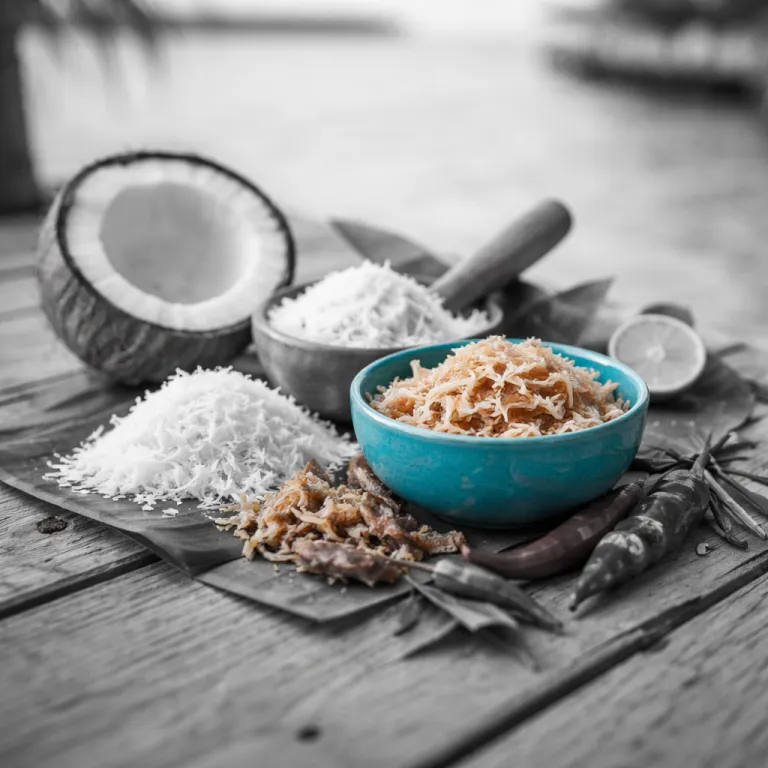
Chef Abdulla Rifzan, known as Rippe, leads the cuisine team at Kandu and brings a Dhivehi voice to a scene long dominated by foreign chefs. His menu uses coconut, tuna, breadfruit and native herbs as anchors, presenting Maldivian flavours through a contemporary lens that respects tradition while embracing modern technique. Signature plates such as reef fish grilled in banana leaf with rihaakuru emulsion or smoked tuna with breadfruit chips and young coconut show how familiar flavours can be reframed without losing their soul. For guests booking stays through specialist platforms such as Stay in Maldives, Kandu Patina Maldives offers a rare chance to align room choices, spa time and restaurant reservations with a coherent sense of place rather than a generic resort template.
Ocean to table ethics and how Kandu changes resort expectations
The Kandu restaurant at Patina Maldives is built around a Dhivehi modern ocean-to-table philosophy that goes beyond marketing language. Patina Maldives has formalised partnerships with local fishermen from nearby atolls and Maldivian farmers supplying coconuts, chillies and leafy greens, meaning the ocean and neighbouring islands shape the menu daily rather than a distant supply chain. For couples used to international hotels and resorts where seafood travels thousands of kilometres, this transparent sourcing model offers a more traceable and accountable dining experience.
Direct relationships with local suppliers also influence how guests will read sustainability claims across the wider Maldives luxury market. When a resort on the Fari Islands can show that each ocean-inspired plate supports nearby communities and reduces transport emissions, it quietly raises the bar for neighbouring islands that still rely on imported fish. For travellers comparing meal plans such as all inclusive versus half board, guides like the detailed analysis of the Maldives meal plan maze on Stay in Maldives help you understand how a restaurant like Kandu fits into overall value, especially when every course carries a clear ethical story.
This focus on Maldivian sourcing extends to the non-alcoholic beverage programme, where Raa, Sai and Kashikeyo are reinterpreted with the same care as the food. Instead of defaulting to international soft drinks, the bar team treats these Maldivian staples as part of a wider Dhivehi tasting menu narrative, serving, for example, chilled toddy with smoked coconut or Kashikeyo shrub with island citrus. For guests moving between the main restaurant, the beach club and other venues across Maldives Fari, the coherence of this approach turns each sip into a small but precise memory of the island rather than a forgettable resort standard.
A tasting menu that maps the atolls and reframes Maldivian identity
At the heart of the Kandu restaurant at Patina Maldives is a multicourse tasting menu structured as a narrative map of the Maldives atolls. Each course references a specific island or atoll, using local techniques and ingredients to show how Maldivian cuisine shifts subtly across distance and reef lines. Guests move from lighter ocean-driven plates, such as a raw tuna preparation inspired by North Malé reef fishing, to deeper, coconut-rich curries echoing southern atoll home cooking, tracing a culinary journey that mirrors traditional Dhivehi trade and fishing routes across the Indian Ocean.
This narrative structure matters because it finally places Maldivian food identity on equal footing with imported fine dining, rather than treating it as a themed night at a generic beach club. When Kandu offers a course that reimagines a fisherman’s breakfast of mas huni and roshi or a breadfruit-based family dish through a contemporary lens, it signals respect for the lived memory behind each recipe. For readers interested in how underwater venues have shaped perceptions of local food, the analysis of underwater dining and Maldivian gastronomy on Stay in Maldives provides useful context for understanding why a grounded, surface-level restaurant like Kandu can feel more authentic than a glass-walled spectacle.
The presence of a Maldivian chef de cuisine, rather than an imported culinary star, reinforces this focus on Dhivehi expression and anchors the wok society of the kitchen in local knowledge. Rippe’s team works with traditional spices and contemporary equipment, proving that modern does not mean detached from place, especially when the resort sits on the Fari Islands with the ocean only metres from the pass. For couples choosing where to stay in the Maldives, Patina Maldives and its Kandu restaurant now stand out as a resort where the dining scene, from Maldivian ocean-to-table plates to carefully brewed Sai, finally lets Dhivehi voices lead the conversation.