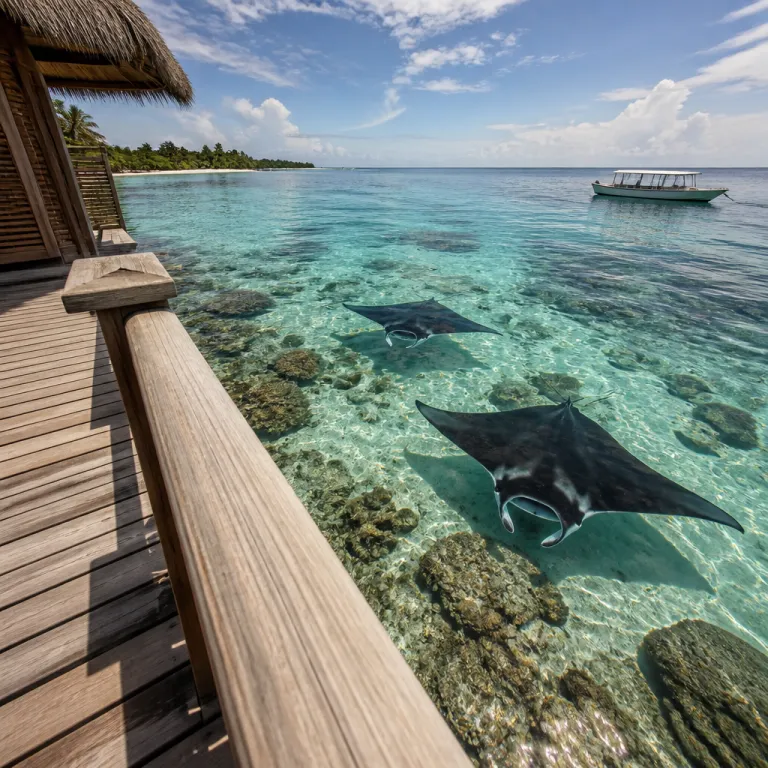
Maldives manta ray season best spots snorkelling for luxury travelers
Manta season in the Maldives runs from June to November, and this is when the archipelago becomes one of the most reliable places in the Indian Ocean to snorkel with manta rays in warm, clear water. During the southwest monsoon, plankton rich water is funnelled through narrow channels and into each bay, turning select islands into feeding arenas where manta rays spiral in slow motion. For couples planning a high end trip, choosing the right island and resort will decide whether you glimpse a single manta ray or float above a vortex of mantas and whale sharks in glass clear water.
The physics behind these gatherings is simple but spectacular, and it explains why some islands are consistently the best places for encounters. Lunar cycles and strong tides push dense plankton into features such as Hanifaru Bay in Baa Atoll, where currents trap the food and manta rays arrive in their dozens, sometimes hundreds, to barrel roll through the soup. According to long term monitoring by organisations such as Manta Trust and the Maldives Marine Research Institute, peak days can see around one hundred individual manta rays recorded in the bay. Across the Maldives, similar funnels and cleaning stations on outer reefs turn otherwise quiet destinations into seasonal stages for different manta species, from the reef manta to the rarer oceanic manta that occasionally cruises deeper channels.
For luxury travelers, the question is not whether mantas will be present, but how close your chosen island lies to the action and how your resort handles access. Properties with serious diving operations, fast boats and resident marine biologists can time each dive or snorkel to the tide, giving you the best chance of seeing manta rays when visibility and current align. When you compare this to far flung manta destinations such as the Galápagos Islands, the Socorro Islands in Mexico or Raja Ampat in Indonesia, the Maldives stands out because you can step from an overwater suite into a speedboat and be above a cleaning station within minutes, often after a ride of just fifteen to thirty minutes from many Baa or Ari Atoll resorts.
Hanifaru Bay and Baa Atoll: the iconic manta arena
Baa Atoll is the Maldives’ headline act for manta season, and Hanifaru Bay is its most famous stage. This small, hook shaped bay inside a UNESCO Biosphere Reserve concentrates plankton so efficiently that an average of around one hundred manta rays can gather here on peak days, creating a swirling mass of wings, tails and open mouths. When you are snorkelling in the middle of this, the experience feels closer to Socorro or Kona Hawaii in intensity than to a typical Indian Ocean reef.
Access is tightly controlled, and that is precisely why the bay remains one of the most sought after manta ray snorkelling sites in the Maldives for serious ocean lovers. You need a permit to enter Hanifaru Bay, and local regulations cap the number of snorkellers per session, ban scuba diving, forbid touching any manta ray or whale sharks and prohibit flash photography. As local authorities and conservation partners confirm, permits are issued only to licensed operators, and this framework protects both the mantas and the quality of your encounter, especially when multiple boats arrive from neighbouring islands.
When you book a luxury stay in Baa Atoll, ask how the resort structures its Hanifaru excursions and how often they run trips during the June to November window. Some properties, such as Four Seasons Resort Maldives with its Manta on Call service, coordinate directly with researchers from organisations like Manta Trust to time departures around real time sightings and tide data. If you are considering a full private island experience, pair your manta ambitions with a property that offers a genuine island buyout option, and use this detailed guide to what a private island buyout in the Maldives actually looks like to understand how staffing, marine access and conservation protocols work in practice.
Beyond Hanifaru: south Ari, house reefs and quieter channels
While Hanifaru Bay dominates the headlines, south Ari Atoll quietly offers some of the best places for more intimate manta encounters. Here, a resident population of manta rays and regular whale sharks patrols the outer reef, and you can often combine a dive manta session on a cleaning station with a surface level snorkel alongside a slow moving shark. For couples who prefer fewer people in the water, a well timed trip to south Ari can feel more like a private Galápagos style expedition than a group excursion.
Resorts in south Ari and central Ari Atoll with strong diving operations will know exactly which cleaning stations are active during each phase of the season. Ask specifically about how far the key sites lie from your island, how many guests they take on each dive and whether a resident marine biologist joins manta focused trips to help identify individual rays. Typical boat rides from popular luxury resorts in south Ari to prime manta or whale shark sites range from fifteen to forty five minutes, so transfer logistics matter as much as reef quality; use this guide on how your Maldives transfer shapes the entire trip at seaplane, speedboat or domestic flight to align your arrival with the atoll that best matches your manta ambitions.
House reefs can be quietly spectacular during manta season, especially on islands that sit close to deep channels. A short swim from your villa jetty may bring you to a natural cleaning station where mantas hover above coral heads while cleaner wrasse work over their gills and bellies, a behaviour you usually associate with faraway destinations such as Nusa Penida in Bali Indonesia or remote corners of Raja Ampat in Indonesia. When you compare these easy access encounters to the more expedition style diving in places like Costa Rica’s Cocos Island or the offshore island Costa Rica national park reserves, the Maldives’ blend of comfort and proximity becomes very clear.
Choosing the right luxury island retreat for manta season
Selecting a resort for manta season is less about the number of restaurants and more about its relationship with the surrounding ocean. Look for islands that sit close to known manta cleaning stations or feeding bays, and prioritise properties that employ a resident marine biologist who actually dives those sites at sunrise. When a resort can tell you exactly which species of manta ray frequent their channels, how often oceanic manta individuals appear and which weeks of the southwest monsoon bring the strongest plankton blooms, you know you are in expert hands.
High calibre dive centres are another non negotiable, especially if you plan to mix snorkelling with deeper diving. Ask whether the team runs dedicated manta rays briefings, how they manage currents for less experienced guests and whether they coordinate with conservation organisations such as Manta Trust or Biosphere Expeditions, whose citizen science surveys in the Maldives feed directly into marine protected area planning and national park style protections. For couples who care about design as much as data, this refined guide to beach enclave style north shore retreats for Maldives luxury travelers will help you balance barefoot architecture with serious reef access.
Ethical etiquette in the water matters just as much as choosing the right island, and the best resorts will brief you thoroughly before each session. Stay at least three metres from any manta, never chase or block a ray’s path and keep your group tight so mantas can continue their feeding or cleaning without stress, whether you are in Hanifaru Bay or on a quieter channel in south Ari. If you are used to more rugged expeditions in the Galápagos or Socorro, the Maldives’ polished service might feel indulgent, but the same rules apply everywhere mantas gather, from Kona to Raja Ampat and beyond.
FAQ about manta season in the Maldives
When is the best time to see manta rays in the Maldives ?
The most reliable manta season in the Maldives runs from June to November during the southwest monsoon. Plankton rich currents during these months create ideal feeding conditions in bays and channels across several atolls. Outside this window, you may still see individual mantas, but large aggregations are far less common.
Where can I see manta rays in the Maldives during a luxury stay ?
Hanifaru Bay in Baa Atoll is the most famous site, with high densities of manta rays on peak days. South Ari Atoll offers more year round encounters, often combined with whale sharks along the outer reef. Several high end resorts in these atolls run dedicated manta snorkelling and diving excursions with marine biologist guides.
Do I need a permit to snorkel with manta rays at Hanifaru Bay ?
Yes, permits are required for Hanifaru Bay, and your resort or local dive centre will usually arrange this as part of an organised excursion. Regulations limit the number of snorkellers per session, ban scuba diving and prohibit touching mantas or using flash photography. These rules protect both the animals and the quality of the guest experience.
Is snorkelling or scuba diving better for manta encounters in the Maldives ?
Snorkelling is mandatory at Hanifaru Bay, where mantas feed close to the surface and you can watch their barrel rolls from above. On outer reef cleaning stations in south Ari or Ari Atoll, scuba diving often gives a more stable vantage point as mantas hover above coral heads. Many couples choose a mix of both, snorkelling in bays and diving on deeper cleaning stations during the same trip.
How should I choose a resort for manta season in the Maldives ?
Prioritise islands with easy boat access to known manta sites, a strong dive centre and a resident marine biologist. Ask detailed questions about transfer times to Hanifaru Bay or south Ari cleaning stations, group sizes on manta trips and how the resort supports conservation initiatives. Booking early for June to November ensures you secure both the right villa category and the best manta focused excursions.
References
Manta Trust ; Maldives Marine Research Institute ; UNESCO World Heritage Centre ; peer reviewed studies on reef manta ray aggregation dynamics in the Maldives.