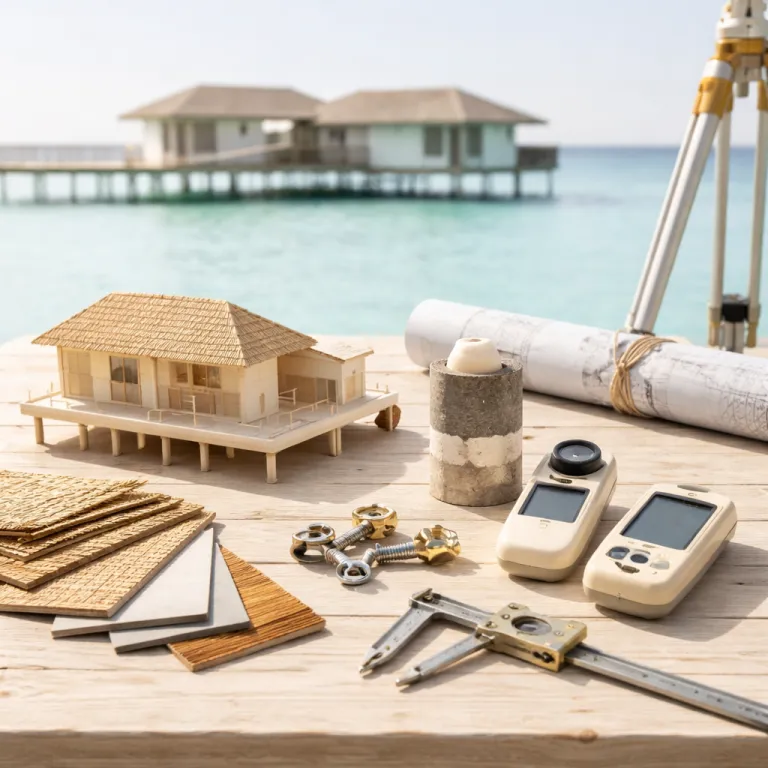
From icon to commodity: how overwater villas lost their edge
The overwater villa once defined luxury travel in the Maldives. Today almost every high-end resort offers some version of an overwater bungalow, and the format has shifted from radical to routine. For couples planning a first trip, the classic water villa now feels less like a revelation and more like a baseline expectation.
Walk any private island jetty in Kaafu Atoll and you will see the same silhouettes repeating over the Maldives’ lagoons. There are long rows of timber villas on stilts above shallow water, each with a pool deck, a glass floor panel and a bedroom water view that frames the reef. According to the Maldives Ministry of Tourism’s 2023 annual report, more than 70% of registered resort beds now sit in properties with some form of overwater accommodation, and the language of luxury overwater design has become so standardised that many island resorts now compete on square metres and plunge pool size rather than on reef access, marine life or the character of the surrounding atoll.
This is where the diminishing returns begin for overwater villas. Adding a second bedroom or a larger pool deck to a water villa does not automatically create a richer stay, especially when the reef beneath is lifeless. The most interesting directions in Maldivian overwater design now focus less on the villa shell and more on what happens in the water, around the reef and across the wider island, with resorts tracking guest satisfaction scores for marine encounters as closely as they once tracked suite upgrades.
Guests who once compared overwater bungalows only by interior photos now ask sharper questions. They want to know how close the villa is to the house reef, whether reef sharks are regularly seen at dawn and how the resort manages its marine reserve. Booking.com’s 2023 Sustainable Travel Report notes that 76% of global travellers want to travel more sustainably, and in the Maldives that translates into couples comparing island hideaways not just by the softness of the bedroom linens but by the quality of guided snorkelling from the villa steps and the credibility of the marine biologist leading those excursions.
In this context, the old arms race of bigger overwater bungalows looks increasingly blunt. The new luxury travel metric is not the number of water villas but the depth of engagement with the surrounding atoll. That shift is already reshaping how architects, resort developers and environmental advisers talk about Maldivian resort architecture and about the next generation of overwater experiences in the Maldives, from floating suites to reef-linked conservation stays.
Beyond the pool deck: why experience is beating square metres
For a decade, the dominant design moves for Maldivian water villas were simple. Resorts added larger pools, wider decks and more elaborate glass floor features to every overwater suite, assuming that more hardware would equal more luxury. The result is a landscape where many villas across the Maldives feel interchangeable, even when nightly rates differ dramatically.
Industry briefings from the Maldives Ministry of Tourism note a steady rise in properties experimenting with floating villas and other adaptive structures, signalling a gradual pivot away from purely static overwater formats. At the same time, global travel research from organisations such as Booking.com and the UN World Tourism Organization points to double-digit growth in eco-conscious travel, with the UNWTO reporting that nature-based and sustainable trips are among the fastest-growing segments in the premium market. This is the backdrop for what many hoteliers now describe as an all-villa arms race, where the competition for the most dramatic overwater suites has started to erode the meaning of luxury itself.
Well-known lifestyle brands entering the Maldives illustrate both the opportunity and the limit of the old model. Soneva Jani in Noonu Atoll, for example, is famous for its vast overwater residences with private slides and retractable bedroom roofs, yet guest reviews and internal surveys consistently highlight stargazing sessions, open-air cinema nights and guided snorkels with the resident marine team as the most memorable parts of a stay. Similarly, Conrad Maldives Rangali Island helped pioneer the two-island, villa-led concept, but its underwater restaurant and manta-focused excursions now do as much to define the experience as the size of its water villas.
Other resorts are pushing further away from pure villa metrics. One pioneering property in Baa Atoll, for example, positions roughly half of its inventory over the water but differentiates itself not by adding another overwater bungalow category, rather by offering structured access to a nearby dolphin migration route and long-term marine research projects. Here, the value of a private villa is measured by how easily you can step from your bedroom terrace into a boat for a sunrise encounter, not by the number of indoor dining chairs, and by how many hours you spend in the water rather than how many square metres you occupy.
For couples comparing Maldives resorts on a booking site, this shift matters. A smaller overwater villa attached to a thriving reef reserve can deliver a far more compelling stay than a vast, isolated suite on stilts above featureless water. The smartest resort concepts now treat the villa as a launchpad for marine experiences, not as the entire point of the trip, and track revenue per available room alongside participation in guided snorkels, citizen-science projects and night dives.
Under the villa: reefs, marine programmes and barefoot design
The next wave of Maldivian overwater innovation is unfolding beneath the timber decks. Architects, marine engineers and environmentalists are collaborating to design structures that sit more lightly on the reef and to shift guest attention from the interior of the villa to the health of the surrounding water. Floating platforms, advanced mooring systems and rainwater harvesting are no longer niche experiments but serious tools in the Maldives design toolkit.
Floating villas, defined as accommodations built on buoyant platforms rather than fixed stilts, are emerging as a response to both erosion and reef protection. As one coastal engineering brief from the UN Environment Programme explains, such platforms can “reduce direct physical damage to coral reefs when compared with traditional pile-supported structures,” while still delivering the overwater experience couples crave. This approach allows resorts to position villas above deeper channels with less contact on the reef and to adjust locations as conditions change, with some pilot projects reporting reductions of more than 50% in direct seabed disturbance compared with conventional piles.
Equally important is what happens once guests arrive in these villas. The most forward-looking island retreats now invest in marine centres where biologists lead daily briefings on reef sharks, coral spawning and local marine life, turning the glass floor from a gimmick into an educational window. As one Maldivian marine biologist put it during a recent resort talk, “If guests leave knowing the names of three fish and one coral, they are far more likely to care about what happens to this reef.” When a resort pairs spa treatments with reef restoration workshops and low-impact night snorkels, the overwater bungalow becomes part of a wider narrative about the atoll rather than a stand-alone object, and guest feedback scores often rise in parallel with participation in these programmes.
On land, a parallel design shift is underway. High-profile island projects announced by luxury brands increasingly emphasise land-based architecture and reef integration over endless strings of overwater bungalows, aligning with a broader barefoot design movement that favours natural materials over polished stone. One resort architect working in the Maldives describes the change this way: “We are moving from building monuments on the water to creating quiet structures that disappear into the island.” For a deeper look at how this barefoot design is winning over Italian marble in the Maldives, our dedicated analysis on stay in Maldives unpacks which resorts are genuinely rethinking their footprint and how beach villas are reclaiming prestige from overwater suites.
Couples choosing between beach villas and overwater villas should now ask different questions. How does the resort manage its house reef and its marine reserve, and what role do guests play in that story during their stay? Does the architecture of each villa, whether on the beach or over the water, support the long-term health of the island and its surrounding reef rather than simply framing ocean views for a few perfect photos, and are there clear, measurable commitments to reef monitoring, waste reduction and energy use?
Floating futures: from south pacific nostalgia to Malé innovation
The original overwater bungalows in the South Pacific, particularly around Bora Bora, were built as simple timber huts above shallow lagoons. Those early structures inspired the first generation of overwater villas in the Maldives, but the context here is different, with denser atolls, fragile reefs and a far higher concentration of luxury resorts. The overwater concepts now emerging around Malé and beyond reflect this new reality.
Resort architects, developers and environmental consultants are working together on floating villa concepts that can adapt to changing water levels and shifting sandbanks. These designs use sustainable materials, solar energy solutions and advanced mooring systems to reduce pressure on the reef while still delivering the sense of a private island escape. In practice, that means fewer heavy concrete pylons drilled into coral and more flexible platforms that can be repositioned or removed as the reef recovers, allowing resorts to respond to erosion data and reef health indicators rather than locking in a fixed layout for decades.
For guests, the experience of staying in a floating overwater villa will feel subtly different from a traditional stilted water villa. You may notice a softer movement underfoot on a calm night, or a slightly different angle on the horizon from your pool deck as the tide changes, but the core promise of direct access to the water remains. The real luxury lies in knowing that your villa is part of a lighter-touch approach to the reef, rather than another permanent scar on the seabed, and that your stay supports long-term conservation rather than short-term spectacle.
Financially, the question is whether these experience-led, conservation-focused models can match the revenue per available room of the classic overwater villas the Maldives once relied on. Early case studies shared at regional hospitality conferences suggest that guests will pay a premium for curated marine programmes, credible reef access and thoughtful spa treatments linked to the ocean, especially when those elements are clearly communicated before booking. One resort group reported that villas bundled with marine experiences achieved up to 15% higher RevPAR than comparable suites sold on hardware alone. For a broader context on how this shift intersects with record visitor numbers, our report on the Maldives biggest season yet explains what that means for your next trip.
As floating villas gain visibility and eco certifications become a standard filter on many travel booking platforms, Maldivian overwater design will continue to evolve. The winners will be the resorts that treat each villa, whether overwater or on the beach, as one element in a living marine landscape rather than as an isolated object of desire. For couples planning a stay now, the smartest move is to choose the reef first and let the architecture follow.
Key figures shaping the next chapter of Maldivian overwater design
- Official statistics from the Maldives Ministry of Tourism show that resorts with some form of overwater accommodation now account for a significant share of the country’s registered beds, underlining how central the villa model has become to the national tourism offer.
- Global surveys by organisations such as Booking.com and the UN World Tourism Organization report double-digit growth in eco-conscious travellers, reflecting rising demand for marine programmes, reef-friendly architecture and lower-impact overwater villas.
- Several flagship lifestyle resorts in the Maldives dedicate the majority of their keys to overwater villas, illustrating how heavily many luxury properties still lean on overwater inventory even as design priorities evolve toward conservation and experience.
- Marine-focused island retreats increasingly use access to manta cleaning stations, dolphin-rich channels and protected reefs as key differentiators, showing how experience can rebalance the classic villa-led revenue model.
- New island projects announced by global luxury brands highlight a parallel trend where beach and garden villas reclaim prestige from overwater bungalows, supported by design briefs that prioritise reef integration, native vegetation and low-rise architecture.
Sources and further reading
- Maldives Ministry of Tourism – annual reports on resort development, bed capacity and visitor trends.
- Global travel research from Booking.com, UN World Tourism Organization and similar bodies – data on eco-conscious travel behaviour and shifts in the luxury segment.
- UN Environment Programme – guidance on coastal development, floating structures and coral reef protection in island nations.