Why serious travellers are flying past Malé for their resort Maldives stay
The most interesting resort Maldives openings are no longer clustered around the easy speedboat run from Malé. As brands look beyond the familiar north Malé atoll corridor, they are chasing quieter reefs, more authentic Maldivian island life and a level of privacy that short transfer distances simply cannot support. For travellers who care as much about the house reef as the room category, that extra flight across the Indian Ocean is starting to feel like a smart investment.
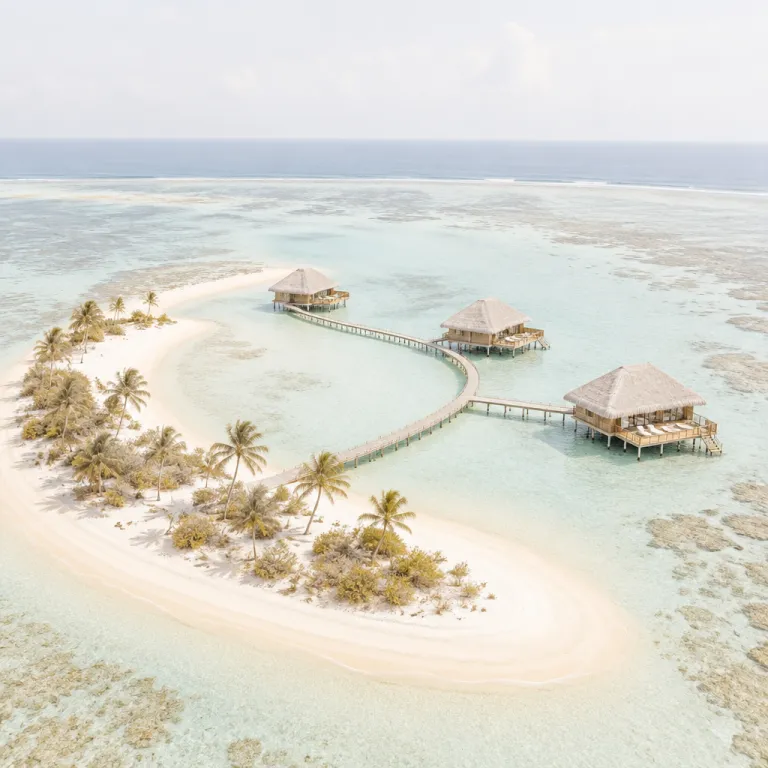
Think of the Maldives as a constellation of atoll rings, each with its own rhythm, reef health and style of hospitality. The classic picture of an overwater luxury hotel on stilts above turquoise ocean still holds, but the context is shifting toward remote atolls where boat traffic is light and marine biologists still log manta rays by the dozen. When you choose a remote resort in the Maldives, you are not just booking overwater villas or a spa Maldives package ; you are choosing a specific seascape, current pattern and level of human impact.
Raa, Shaviyani, Lhaviyani and Thaa atolls are the names to learn now if you want your next resort Maldives experience to feel ahead of the curve. These atolls sit well beyond the dense ring of properties in north Malé and south Malé atolls, yet they remain accessible through a domestic hop and speedboat ride that adds only a few hours to your journey. In exchange, you gain a more private island atmosphere, clearer channels for snorkelling with manta rays and a stronger sense that you are in an island Maldives environment shaped more by tides than timetables.
Reef quality, remoteness and the new luxury benchmark
When you move away from the Malé atoll corridor, the water often tells a different story. Fewer dive boats, less anchor damage and lighter fishing pressure mean coral structures in a remote atoll can look almost sculptural, with bommies rising from the ocean floor and reef walls that feel alive with movement. For a traveller choosing a resort Maldives stay, that reef health is now as important as the thread count or the spa menu.
In places like Baa atoll, where the Maldives government and UNESCO have designated a biosphere reserve, the link between protection and experience is obvious. The waters around Hanifaru Bay are famous for seasonal gatherings of manta rays, and the best luxury resort teams work closely with marine biologists to manage guest numbers and behaviour. When you stay at a property such as Four Seasons Resort Maldives at Landaa Giraavaru, you see how a serious approach to conservation can sit comfortably alongside overwater villas, a high calibre spa Maldives program and quietly polished hospitality.
Remote atolls beyond Baa, including Raa and Shaviyani, are now following a similar path, even if they lack a formal UNESCO biosphere label. Many new resort projects are building in-house marine centres before the first overwater suite is finished, because they understand that reef quality is the long term asset. If you are planning to visit Maldives for snorkelling first and sunsets second, prioritise resorts that publish coral monitoring data, employ full time marine biologists and talk openly about how they manage both beach erosion and lagoon health ; this is the new definition of luxury in the Maldives.
For a deeper sense of how shoreline and reef shape the stay, look at curated guides to Maldives island beaches for refined luxury escapes. These kinds of resources help you read between the lines of marketing language and understand whether a private island really offers a living reef or just a photogenic sandbank. In the most rewarding resort Maldives experiences, the house reef is close enough to swim from the beach, the lagoon is not overcrowded with overwater structures and the night sky is dark enough to remind you how far you have travelled.
The transfer trade off: when a longer journey makes the island feel yours
Most travellers start their Maldives planning by asking which hotel brand to choose, but the more useful first question is which atoll. A resort Maldives stay in north Malé atoll offers the convenience of a 20 minute speedboat ride, which is ideal for a short break or a destination wedding where logistics matter more than remoteness. Yet as you push into Raa, Shaviyani or Thaa, the extra domestic flight and boat segment become part of the narrative, a gentle decompression that separates daily life from island time.
On a practical level, a domestic hop adds two to three hours to your arrival, but it also filters the crowd. Families on tight schedules and corporate groups tend to stay closer to Malé, leaving the more distant private island resorts to independent travellers who value quiet over convenience. If you are a solo explorer planning to visit Maldives for a week or more, that trade off often feels worthwhile, because the reward is a lagoon where you might share the ocean with manta rays rather than jet skis.
There is a counterpoint worth acknowledging, because some of the strongest house reefs in the Maldives still sit within the Malé corridor. Certain islands in north Malé and south Malé atolls offer excellent drop off snorkelling just beyond the beach, and for a three night stay the time saved on transfers can mean an extra afternoon in the water. This is where clarity about your priorities matters ; if you are planning a short celebration or a carefully choreographed event, guides to Maldives destination wedding retreats can help you balance ease of access with a sense of occasion.
For longer trips, the equation shifts decisively toward remoteness, especially if you are drawn to the quieter edges of the Indian Ocean. A resort Maldives itinerary that combines a night near Malé with a transfer to a far flung atoll can work well, giving you a soft landing before you head out to a more secluded island. Once you arrive, the absence of city glow, the slower pace of Maldivian staff life and the feeling of being ringed by open ocean rather than neighbouring resorts all contribute to a deeper reset.
Inside the remote resort: self sufficient islands and serious hospitality
Life on a remote private island in the Maldives is deceptively effortless for the guest, but behind the scenes the operation is closer to running a small floating city. Resorts in far flung atolls must generate their own power, desalinate water, manage waste and coordinate staff rotations across long distances, all while maintaining the seamless calm that defines Maldivian hospitality. When this is done well, you feel the result as a kind of grounded luxury, where the island’s systems support the environment rather than strain it.
Properties such as Four Seasons Resort Maldives at Landaa Giraavaru in Baa atoll and Four Seasons Resort Maldives at Kuda Huraa in north Malé atoll illustrate two versions of this self sufficiency. At Landaa Giraavaru, the focus leans toward conservation, with marine biologists leading reef restoration projects and manta research in the surrounding biosphere reserve waters. At Kuda Huraa, the energy is more village like, with a surf friendly layout, a strong spa Maldives program and easy access to the breaks and channels of north Malé atoll.
Across both islands, the Four Seasons brand uses its presence to link experiences between the more remote Baa atoll and the busier north Malé corridor. Guests can split their resort Maldives stay between Landaa Giraavaru and Kuda Huraa, experiencing both the UNESCO biosphere environment and the livelier surf and social scene closer to Malé. This twin island model shows how a thoughtful hotel group can use multiple properties to give travellers a nuanced sense of the Maldives, from manta ray encounters in Baa to lagoon paddles at sunrise in north Malé.
If you are drawn to even more intimate settings, consider properties where the entire island feels like a quiet sanctuary. One example is highlighted in this detailed review of an intimate island retreat for refined travellers, which shows how a small footprint resort can still deliver high level spa care, attentive service and serious marine programming. In these environments, the spa, the dive centre and the overwater villas are not separate attractions but parts of a single, carefully balanced island ecosystem.
Choosing your atoll: from Baa’s mantas to the Fari Islands’ design edge
For travellers planning a resort Maldives stay, the atoll map is now as important as the brand list. Baa atoll remains the reference point for marine life, with its UNESCO biosphere designation, the famous manta rays of Hanifaru Bay and the conservation work anchored by Landaa Giraavaru. If your priority is to swim with mantas, talk to resorts about seasons, plankton flows and how often their marine biologists run trips to key sites, because timing matters as much as location.
North Malé atoll, by contrast, has evolved into a more design driven playground, especially around the Fari Islands development. Here, a cluster of luxury resort brands share a lagoon, offering guests a choice of overwater villas, beach suites and shared marina facilities that feel almost Mediterranean in their social energy. This is still the Maldives, with white sand and clear ocean, but the vibe is more curated, with restaurants, art spaces and a sense of community that appeals to travellers who like a little buzz with their beach time.
Elsewhere, islands such as Huraa and the broader Maldives Kuda Huraa area show how local life and resort space can sit side by side. Staying near a local island gives you a different angle on Maldivian culture, from evening strolls along the beach to glimpses of everyday island routines that rarely appear in glossy brochures. When you balance a few days in a high design Fari Islands resort with time on or near a more traditional island Maldives setting, you come away with a richer sense of place.
Whichever atoll you choose, pay attention to how the resort talks about its relationship with the ocean and the land. Look for mentions of beach nourishment, lagoon management, waste reduction and staff training, because these details signal whether the hotel sees itself as a temporary guest or a long term steward of its island. In the best cases, a resort Maldives property becomes a kind of living laboratory, where guests, staff and scientists work together to ensure that the next generation can still visit Maldives and find healthy reefs, quiet lagoons and skies full of stars.
FAQ
Is a remote atoll resort in the Maldives worth the extra transfer time ?
For travellers staying five nights or more, a remote atoll resort in the Maldives is usually worth the extra domestic flight and speedboat transfer. You gain quieter lagoons, healthier reefs and a more private island atmosphere than most properties near Malé can offer. The trade off makes particular sense if snorkelling, diving and time with marine biologists are central to your trip.
Which atoll is best for seeing manta rays in the Maldives ?
Baa atoll is the most reliable region for manta ray encounters, especially around Hanifaru Bay during peak plankton seasons. Many resorts, including Landaa Giraavaru, run structured excursions with in house marine biologists who monitor conditions and guest numbers. Other atolls also see manta rays, but Baa’s UNESCO biosphere status and long term research programs make it the strongest choice.
Do remote Maldives resorts have good medical and safety facilities ?
Serious luxury resorts in remote atolls operate well equipped clinics with on site doctors or highly trained medical staff. They maintain detailed evacuation plans to Malé and coordinate closely with seaplane and speedboat operators for emergencies. When booking, you can ask the hotel directly about medical capabilities, response times and any limitations related to weather or distance.
How should solo travellers choose between north Malé and a distant atoll ?
Solo travellers with limited time often prefer north Malé atoll for its short transfers, social energy and wider choice of dining and activities. Those with a week or more usually benefit from the calm and stronger reef life of a remote atoll, where the resort team can tailor experiences more closely. Your decision should balance how much you value convenience versus immersion in a quieter, more nature focused setting.
Are overwater villas in remote atolls different from those near Malé ?
The design standards for overwater villas are similar across the Maldives, but the context changes in remote atolls. You are more likely to have clearer views, less boat traffic and a stronger sense of being surrounded by open Indian Ocean rather than neighbouring islands. For guests who prioritise tranquillity and wildlife sightings from their deck, that difference can be significant.