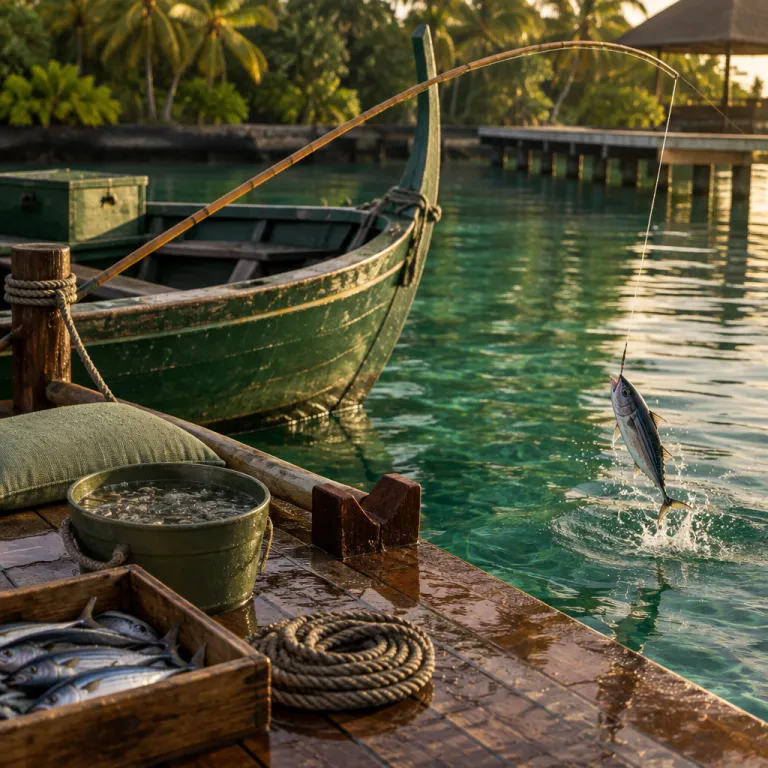
Where maldives traditional fishing culture meets luxury travel
On many maldives resort jetties, you will see polished speedboats, but the real story of maldives traditional fishing culture luxury tourism begins on the wooden dhoni. This is where maldives fishing still follows a traditional rhythm, with fishermen using a single pole, a barbless hook and live bait to catch shimmering tuna in the open indian ocean. For travelers planning maldives travel with an eye on culture, this quiet shift from subsistence to curated experience is reshaping what the best luxury resorts choose to highlight.
Pole fishing, known locally as pole and line, has long defined maldives fishing identity, because it targets individual tuna rather than indiscriminately netting mixed reef fish and other marine life. When you join a guided fishing trip that focuses on traditional fishing rather than trophy hunting, you step into a working system where every fish matters and every movement on deck has purpose. The top properties now frame these excursions as a living travel guide to island life, not as a generic sport outing, and that subtle change in language will shape the way you remember the ocean.
For solo travelers choosing between islands and inhabited islands, the question is not only which maldives resort has the most dramatic view, but which one treats fishing maldives traditions as culture rather than entertainment. Some luxury resorts invite local fishermen from nearby local islands to lead small group sessions on pole fishing techniques, explaining how climate change affects tuna fishing seasons and bait availability. When a resort positions maldives traditional fishing culture luxury tourism at the heart of its narrative, fish maldives stories move from the staff quarters to the guest experience, and the reef becomes a classroom instead of a backdrop.
From working dhoni to curated experience: reading between the waves
Not every fishing trip marketed in the maldives reflects authentic traditional fishing, so you need to read the offer carefully. A genuine pole fishing experience usually takes place on a simple dhoni or small fishing boats crewed by local fishermen, not on a glossy cruiser with lounge music and canapés. When a resort describes maldives fishing as a cultural immersion, ask whether the crew comes from nearby inhabited islands and whether they still fish for tuna on non tourist days.
The most honest programs keep group sizes small, focus on pole and line techniques and treat every fish with respect, whether it is tuna or smaller reef fish destined for the island kitchen. You will feel the difference when the captain explains how his family has practiced traditional fishing for generations, and when he points out changes in the reef that he attributes to climate change and shifting currents in the indian ocean. These details turn a simple fishing trip into a living travel guide to maldives traditional fishing culture luxury tourism, where the ocean is both workplace and archive.
Some of the top cultural hotspots are not the overwater villas, but the quiet harbors where fishermen mend lines at dusk and where bodu beru drums sometimes echo after a long day at sea. If you want to go deeper into the culture that many resorts still keep backstage, seek out editorial resources that unpack bodu beru, line fishing and island poetry as the culture the resort does not show you, such as this in depth piece on bodu beru and line fishing traditions. When you carry that context back to your chosen maldives resort, every view of the reef, every glimpse of fishing boats on the horizon and every conversation with crew will feel richer and more grounded.
Sea to table: when your own catch shapes the island menu
One of the most compelling expressions of maldives traditional fishing culture luxury tourism is the sea to table loop that some luxury resorts now orchestrate. After an afternoon of pole fishing with local fishermen, guests return to the island where chefs transform the catch into refined versions of everyday maldives dishes. The best kitchens treat each fish with the same care they give imported wagyu, because they understand that tuna fishing and reef fish recipes carry the memory of island life.
On certain local islands, grilled tuna, fish curry and smoked fish snacks have long been staples, and a thoughtful maldives resort will reference these flavors without turning them into caricature. When you bring back a modest haul from maldives fishing, a skilled chef might prepare a simple reef fish grilled over coconut charcoal, a tuna sashimi plate that highlights the clarity of the indian ocean waters, or a curry that mirrors what families on inhabited islands cook for celebrations. This is where maldives traditional fishing culture luxury tourism becomes tangible, because your fishing trip shapes the menu rather than being an isolated excursion.
Properties that take culture seriously often extend this narrative beyond the plate, linking fishing maldives traditions to crafts, music and boat building. After dinner, you might wander through a small gallery that explains how fishing boats are built, or join a talk about lacquerware, mat weaving and boat building as the Maldivian crafts worth seeking out, inspired by resources such as this feature on traditional Maldivian craftsmanship. In these settings, maldives travel becomes a layered experience where marine life, island culture and culinary creativity share the same reef anchored stage.
Choosing the right resort: culture forward luxury on the reef edge
For a traveler planning maldives travel with cultural depth in mind, the choice of luxury resorts will determine how close you get to real island life. Some properties treat maldives traditional fishing culture luxury tourism as a marketing line, while others weave it into daily operations, from staff storytelling to guest activities. When you read descriptions of a maldives resort, look for specific references to pole and line excursions, collaborations with local islands and marine biologist led briefings on reef health.
Resorts that genuinely respect fishing maldives traditions usually maintain strong ties with nearby inhabited islands, hiring crew who still work as fishermen and supporting community projects that address climate change impacts on the reef. They might offer a structured travel guide to pole fishing, explain how tuna stocks are monitored in the indian ocean and invite guests to join reef monitoring walks with the marine team. These details signal that maldives traditional fishing culture luxury tourism is not a staged performance, but an evolving partnership between tourism and working communities.
When comparing top properties, pay attention to how they talk about marine life and conservation, not just the view from the villa. Some of the best options are not the flashiest, but the ones where the house reef is healthy, where fishing boats share the lagoon respectfully with snorkelers and where the resort narrative acknowledges both climate change and local culture. For a deeper look at how international brands are reshaping the atolls, including new openings that may or may not engage with fishing culture, consult analytical pieces on topics such as what new resort brands bring to the atolls, then cross check whether their promises align with your cultural expectations.
Climate, conservation and the future of pole and line culture
The maldives traditional fishing culture luxury tourism story cannot be separated from climate change and the shifting health of the reef. Warmer waters and coral bleaching events affect bait fish populations, which in turn influence tuna fishing patterns and the daily routines of fishermen who still rely on pole and line methods. When you join a maldives fishing excursion that addresses these realities openly, you gain a clearer view of how fragile this ocean based culture can be.
Marine biologists working with thoughtful luxury resorts often frame fishing maldives traditions as part of a broader conservation strategy, because selective pole fishing reduces bycatch and protects many species of reef fish. During pre trip briefings, they may outline how the indian ocean tuna fishery is monitored, why certain areas near the reef are off limits and how local islands collaborate on seasonal closures to protect spawning grounds. These conversations turn a simple fishing trip into a live travel guide to the forces that will shape maldives travel in the coming decades.
For solo travelers, the question becomes how to support the best practices without romanticizing hardship or turning culture into a stage set. Choosing a maldives resort that pays fair rates to fishermen, invests in reef restoration and treats maldives traditional fishing culture luxury tourism as a living system rather than a photo opportunity is a concrete step. When you leave the islands with a deeper respect for the ocean, the fishermen and the marine life that sustains both, the view from the plane window back over the islands will feel less like an ending and more like a promise to return for another carefully chosen min read of this evolving story.
FAQ
Is pole and line fishing in the Maldives sustainable for tuna stocks ?
Pole and line fishing in the maldives is widely regarded as one of the most sustainable methods for targeting tuna, because each fish is caught individually with minimal bycatch. This approach protects many species of reef fish and reduces damage to marine life compared with large scale netting in the indian ocean. When luxury resorts partner with local fishermen who use traditional fishing methods, maldives traditional fishing culture luxury tourism can support, rather than undermine, long term tuna fishing sustainability.
Can solo travelers join traditional fishing trips from luxury resorts ?
Most luxury resorts in the maldives offer small group or private fishing trips that solo travelers can join, often focused on pole fishing with experienced local crew. You should ask whether the excursion is led by working fishermen from nearby inhabited islands and whether the catch will be used in the resort kitchen. Choosing these culture forward options ensures that maldives traditional fishing culture luxury tourism remains connected to real island life rather than staged entertainment.
What should I look for when booking a resort that respects local fishing culture ?
When evaluating a maldives resort, look for clear references to collaborations with local islands, use of traditional fishing boats and educational briefings on reef and marine life. Properties that highlight pole and line techniques, discuss climate change impacts on the reef and invite guests to learn from fishermen usually take culture seriously. These details indicate that maldives traditional fishing culture luxury tourism is integrated into the resort ethos, not just added as a marketing line.
Will I be able to eat the fish I catch during a resort excursion ?
Many luxury resorts in the maldives allow guests to bring back their catch from a fishing trip, especially tuna or suitable reef fish, for the kitchen to prepare. Chefs often create simple grilled dishes or curries that reflect local island recipes, turning your effort at sea into a personal sea to table experience. This practice reinforces the connection between maldives traditional fishing culture luxury tourism, daily island life and the wider marine ecosystem.
How does climate change affect traditional fishing experiences for visitors ?
Climate change influences sea temperatures, coral health and bait fish availability in the maldives, which can alter tuna migration patterns and the reliability of traditional fishing grounds. Visitors may notice that some areas near the reef are protected or that certain seasons are better for pole and line excursions, based on guidance from marine biologists and fishermen. By choosing resorts that address these issues transparently, travelers support maldives traditional fishing culture luxury tourism that adapts responsibly to a changing indian ocean.