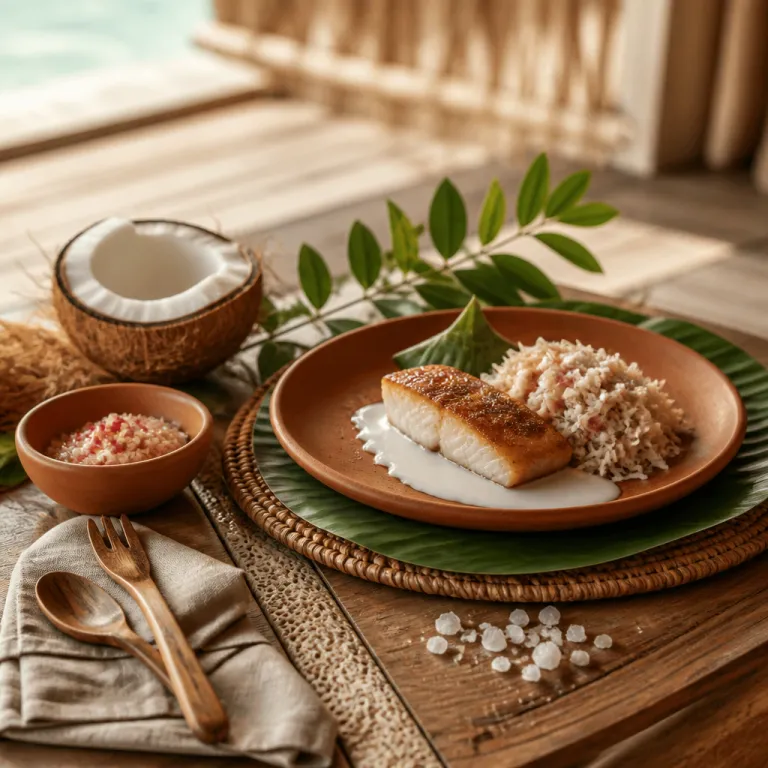
Why food at Maldives resorts matters for luxury travelers
Food in Maldives resorts shapes how you remember every lagoon sunrise. In a destination where overwater villas and private pools feel almost standard, the culinary program becomes the real differentiator for travelers choosing between premium and ultra-luxury stays. On high-end booking platforms, the most satisfied guests now filter options by restaurant concepts, chef profiles, and how deeply each property engages with traditional Maldivian cuisine.
Across the Maldives, food is inseparable from the surrounding Indian Ocean and its daily rhythm. Local fishermen bring in fresh Maldives fish at dawn, and Maldivian chefs transform this catch into refined versions of traditional Maldivian dishes that still respect Dhivehi cuisine techniques. When you compare properties, look for menus that highlight tuna, coconut, white rice, and fresh chilli as core ingredients rather than decorative touches.
Luxury travelers often arrive expecting only international food, yet the most memorable meals usually come from Maldivian cuisine itself. A resort that treats Dhivehi cuisine as a serious pillar of its identity will often offer both a signature Maldivian tasting menu and relaxed beachside grills. This balance lets you move from a refined mas riha tuna curry pairing to a simple plate of smoked tuna and grated coconut during the same stay.
On a premium booking website, pay attention to how each hotel describes its Maldivian food experiences. Properties that mention specific dishes such as mas huni, bis keemiya, or fish cake usually invest in proper training for Maldivian chefs and collaborate closely with local farmers and spice traders. This level of detail signals that the resort understands cuisine Maldives traditions rather than offering a generic island buffet.
Another key factor is how often fresh tuna and other fish are delivered and how they are stored. Resorts that work directly with local fishermen around Malé and nearby atolls can serve tuna coconut curries and fish broth preparations at peak freshness, which dramatically changes flavor and texture. When reading reviews, look for repeated praise of the Maldives fish quality and the depth of flavor in traditional Maldivian curries.
Signature Maldivian flavors in luxury hotel dining
At the top luxury properties, food in Maldives restaurants becomes a curated journey through Maldivian flavors. Menus often start with a focus on tuna, coconut, and rice, then build layers of spice with chilli, curry leaves, and aromatic fish broth. When a hotel takes Maldivian cuisine seriously, you will see clear references to Dhivehi cuisine terms such as mas, rihaakuru, and mas riha explained with care.
Mas huni is a perfect example of how a simple traditional Maldivian dish can be elevated in a premium setting. Traditionally, this breakfast combines smoked tuna, grated coconut, onion, and chilli, served with warm flatbread or white rice on the side. In luxury hotels, chefs may reinterpret mas huni as delicate canapés or as a plated starter, yet the essence of tuna coconut and fresh chilli remains central to the dish.
Another cornerstone of Maldivian food culture is rihaakuru, a thick fish reduction made from long-simmered fish broth. In everyday Maldivian homes, rihaakuru seasons rice, vegetables, and simple fish dishes, while in high-end resorts it might appear as a glossy sauce for a grilled fish fillet or a refined dip. When browsing a booking site, note whether the property highlights rihaakuru in its description of Maldivian cuisine, because that usually signals a deeper respect for Dhivehi cuisine.
Curry culture also runs deep through cuisine in the Maldives, shaped by both Indian and Sri Lanka influences. You will often find mas riha, a tuna curry, alongside vegetable curries enriched with coconut milk and curry leaves, all served with fluffy white rice and house-made pickles. A thoughtful resort will offer both mild and spicy versions, acknowledging that some guests love intense chilli heat while others prefer a gentler introduction to Maldivian food.
For travelers comparing luxury hotel options, it helps to look for curated tasting menus focused on food Maldives traditions. Some properties now offer multi-course journeys through Maldivian cuisine, pairing mas huni, bis keemiya, and fish coconut curries with wines or non-alcoholic infusions. To understand how refined this can become, consider how a resort like Baros Maldives presents a “Flavours of the Maldives” menu with garudhiya, mas riha, and coconut-based desserts served in a fine-dining setting.
From lagoon to plate: seafood rituals in Maldivian luxury resorts
Seafood defines food in Maldives resorts more than any other element of the menu. The islands sit in the heart of the Indian Ocean, and local fishermen supply tuna, reef fish, and other Maldives fish species that shape both everyday meals and fine dining experiences. On a luxury booking platform, properties that emphasize close relationships with local fishermen usually deliver the most authentic Maldivian cuisine.
Traditional Maldivian cooking methods revolve around grilling, steaming, and slow-simmering fish broth in clay pots. In high-end kitchens, these techniques are refined but not abandoned, so you might taste smoked tuna prepared over coconut husk embers or a delicately steamed fish coconut parcel wrapped in banana leaf. When a resort menu mentions Dhivehi cuisine terms such as mas riha or rihaakuru, it often means the chefs have trained with Maldivian experts rather than importing only international trends.
Many luxury travelers now seek specific seafood experiences when they plan travel to the Maldives. Some resorts offer lagoon-side dinners where tuna coconut curries, deep fried fish cake bites, and bis keemiya pastries are served in small tasting portions, allowing guests to sample many dishes in one evening. Others host interactive cooking classes where Maldivian chefs explain how Maldives fish is cleaned, marinated with chilli and curry leaves, and transformed into both traditional Maldivian and modern fusion dishes.
Steakhouses and grill-focused venues have also become part of the food landscape, especially in premium resorts. These restaurants often pair imported meats with sides inspired by Maldivian cuisine, such as coconut milk–braised vegetables or white rice seasoned with rihaakuru. For a deeper look at how a single venue can elevate the entire cuisine Maldives reputation, imagine a signature grill restaurant that serves ribeye alongside garudhiya-inspired sauces and smoked tuna appetizers.
When evaluating hotels on a booking site, pay attention to how seafood is handled from source to plate. Resorts that highlight daily Maldives fish deliveries, sustainable catch practices, and transparent storage methods usually serve superior tuna, fish coconut curries, and smoked tuna appetizers. This attention to detail not only improves flavor but also supports the long-term health of the Indian Ocean ecosystem that underpins every food Maldives experience.
Breakfast to late night: how resorts serve Maldivian dishes all day
For many guests, the first true encounter with Maldivian food in resorts happens at breakfast. This is when traditional Maldivian dishes such as mas huni appear alongside international options, offering a gentle introduction to Dhivehi cuisine. A well-curated buffet will feature smoked tuna, grated coconut, fresh chilli, and warm flatbreads, all served in small bowls so you can build your own plate.
Throughout the day, luxury hotels weave Maldivian cuisine into poolside menus, room service, and casual beach bars. You might order a light fish cake made from Maldives fish, paired with a crisp salad and a drizzle of coconut milk dressing, or share a platter of deep fried bis keemiya pastries filled with spiced tuna and vegetables. These dishes allow you to taste cuisine Maldives traditions without committing to a full multi-course dinner.
Lunch often highlights the comforting side of food Maldives, especially rice and curry combinations. A typical plate could include white rice, mas riha tuna curry, a vegetable curry scented with curry leaves, and a small serving of rihaakuru to mix through the rice. When hotels respect traditional Maldivian practices, they keep the balance of spice, salt, and coconut carefully tuned so that each dish remains both authentic and approachable.
As evening falls, many resorts shift toward more theatrical presentations of Maldivian dishes. Chefs might host live stations where Maldives fish is grilled to order, basted with chilli and coconut milk, and served with fragrant rice and salads. In these settings, Dhivehi cuisine becomes a performance, yet the core ingredients of tuna, coconut, and fish broth remain faithful to home-style cooking.
Late-night menus in premium properties often return to simple, comforting Maldivian dishes. Guests can order bowls of fish broth enriched with rihaakuru, small plates of smoked tuna with grated coconut, or deep fried snacks inspired by traditional Maldivian street food. When you browse hotel descriptions, look for mentions of all-day Maldivian options, because that indicates a genuine commitment to integrating local food into every stage of your travel experience.
Designing a gourmet itinerary: using booking tools to curate your meals
Planning food in Maldives experiences now starts long before you step onto the seaplane. Luxury booking websites increasingly provide detailed restaurant profiles, sample menus, and notes on Maldivian cuisine offerings, allowing you to compare how deeply each resort engages with Dhivehi cuisine. Use these tools to shortlist properties where tuna, coconut, and traditional Maldivian dishes appear prominently rather than as occasional theme nights.
Begin by checking how many venues each hotel offers and how they position food Maldives within the overall concept. A strong culinary-focused resort will typically feature at least one restaurant dedicated to Maldivian cuisine, with dishes such as mas huni, mas riha, and fish coconut curries clearly described. Look for mentions of local Maldivian chefs, collaborations with fishermen, and the use of fresh Maldives fish in both casual and fine-dining outlets.
Next, study the sample menus to understand how ingredients such as coconut milk, curry leaves, and chilli are used. Properties that highlight rihaakuru-based sauces, smoked tuna starters, and deep fried bis keemiya snacks usually have a more nuanced grasp of traditional Maldivian cooking. When you see Dhivehi cuisine terms explained in plain language, it suggests the hotel is prepared to guide international guests through unfamiliar flavors with confidence.
Many high-end resorts now offer themed culinary journeys that integrate Maldivian food with other experiences. You might book a snorkeling excursion followed by a lagoon-side lunch of grilled Maldives fish, white rice, and coconut-based salads, or a sunset cruise ending with a tasting of fish cake variations and mas huni canapés. For travelers who want to pair reef adventures with memorable meals, a dedicated guide to Maldives snorkeling experiences for luxury travelers can help you align your dining plans with your time in the water.
Finally, use guest reviews strategically to validate the promises made in hotel descriptions. Focus on comments about the consistency of Maldivian cuisine offerings, the freshness of tuna and other fish, and the availability of traditional Maldivian dishes beyond a single weekly buffet. When multiple travelers praise the same mas riha curry, fish broth soups, or coconut-based desserts, you can book with confidence that the food Maldives experience will match the setting.
Respecting tradition while embracing innovation in Maldivian hotel cuisine
The most compelling Maldivian food experiences balance respect for tradition with thoughtful innovation. Resorts work with Maldivian chefs and local farmers to preserve Dhivehi cuisine techniques while also welcoming influences from Indian and Sri Lanka culinary cultures. This approach keeps Maldivian cuisine vibrant for guests who return repeatedly and want to taste something new each stay.
Innovation often starts with classic dishes such as mas huni, mas riha, and bis keemiya. Chefs might reinterpret mas huni as a refined tartlet topped with smoked tuna and micro herbs, or present mas riha as a deconstructed curry with coconut milk foam and crisp curry leaves. Even deep fried snacks like bis keemiya can be lightened and paired with elegant sauces based on rihaakuru and fish broth.
Some luxury properties experiment with plant-forward versions of traditional Maldivian dishes to accommodate diverse dietary preferences. Instead of tuna coconut curries, you may find vegetables simmered in coconut milk with chilli and spices, served alongside white rice and a small bowl of rihaakuru for those who still enjoy fish flavors. This flexibility allows guests to experience cuisine Maldives in both its classic and contemporary forms.
Throughout these evolutions, the core ingredients of Maldives fish, coconut, and rice remain central to Maldivian food identity. Chefs continue to grill fish over open flames, steam parcels of fish coconut in banana leaves, and simmer long-lasting fish broth for soups and sauces. As local explanations of traditional Maldivian food note, garudhiya is a fragrant fish soup that can include chilli and spices, and dishes with eggplant, pumpkin, or unripe banana are also popular in home-style cooking.
For travelers using a luxury booking website, the key is to choose hotels that articulate this balance clearly. Look for menus that celebrate traditional Maldivian recipes while also offering creative tasting menus, chef’s tables, and pairing experiences. When a resort can serve an impeccable bowl of fish broth at lunch and an inventive tuna coconut tasting menu at dinner, you know that its approach to food in Maldives is both grounded and forward-looking.
Key figures shaping Maldivian culinary experiences
- Local chefs and food historians have documented dozens of traditional Maldivian dishes, indicating a surprisingly rich repertoire for a small island nation and giving luxury hotels a deep library of recipes to reinterpret.
- Government and fisheries reports consistently describe the Maldives as one of the world’s highest per capita consumers of tuna, which explains why Maldives fish and tuna-based dishes dominate both home cooking and resort menus.
- Resorts in and around Malé benefit from daily fish landings at local harbors, allowing many luxury properties to serve tuna, smoked tuna, and fresh fish broth preparations within hours of the catch.
- With limited arable land across the islands, coconut, imported rice, and seafood form the backbone of Maldivian cuisine, pushing chefs to be inventive with techniques such as grilling, steaming, and long-simmering reductions like rihaakuru.
- The growing popularity of fusion cuisine in the Maldives encourages hotels to blend Dhivehi cuisine with Indian and Sri Lanka influences, creating new expressions of curry, mas riha, and coconut-based dishes for international travelers.
FAQ about food at Maldives luxury and premium hotels
What is the national dish of the Maldives and will my hotel serve it ?
The national dish is garudhiya, a fragrant fish soup made from tuna, often served with white rice, lime, chilli, and onions. Many luxury hotels include garudhiya or similar fish broth dishes on Maldivian-themed menus or as part of tasting experiences. When browsing a booking site, check whether the resort highlights traditional Maldivian dishes or Dhivehi cuisine nights.
Is Maldivian food very spicy in luxury resorts ?
Maldivian food traditionally uses plenty of chilli and spices, but high-end hotels usually offer adjustable heat levels. You can often request milder versions of mas riha curries or mas huni, while still enjoying the flavors of coconut milk, curry leaves, and fresh fish. Menus typically mark spicier dishes clearly so guests can choose comfortably.
Are there vegetarian options within Maldivian cuisine at resorts ?
Yes, vegetarian options are widely available in luxury and premium properties across the Maldives. Traditional recipes using eggplant, pumpkin, and unripe banana are common, and chefs often adapt Maldivian cuisine by replacing tuna with vegetables while keeping coconut, curry leaves, and spices. Most resorts can also prepare bespoke vegetarian versions of popular dishes if requested in advance.
How can I ensure my hotel offers authentic Maldivian dishes ?
When using a booking website, read restaurant descriptions carefully and look for explicit references to Maldivian cuisine, Dhivehi cuisine, and named dishes such as mas huni, mas riha, and bis keemiya. Reviews that praise the freshness of Maldives fish, the depth of fish broth soups, and the quality of coconut-based curries are strong indicators of authenticity. You can also contact the hotel directly to request sample menus before confirming your stay.
Can I join cooking classes to learn Maldivian recipes during my stay ?
Many luxury resorts now offer cooking classes focused on Maldivian food traditions, often led by Maldivian chefs. These sessions typically cover how to prepare tuna coconut curries, mas huni, and deep fried snacks like bis keemiya using local ingredients such as grated coconut and curry leaves. Check the resort’s activity program or concierge services on the booking platform to confirm availability and reserve a spot in advance.