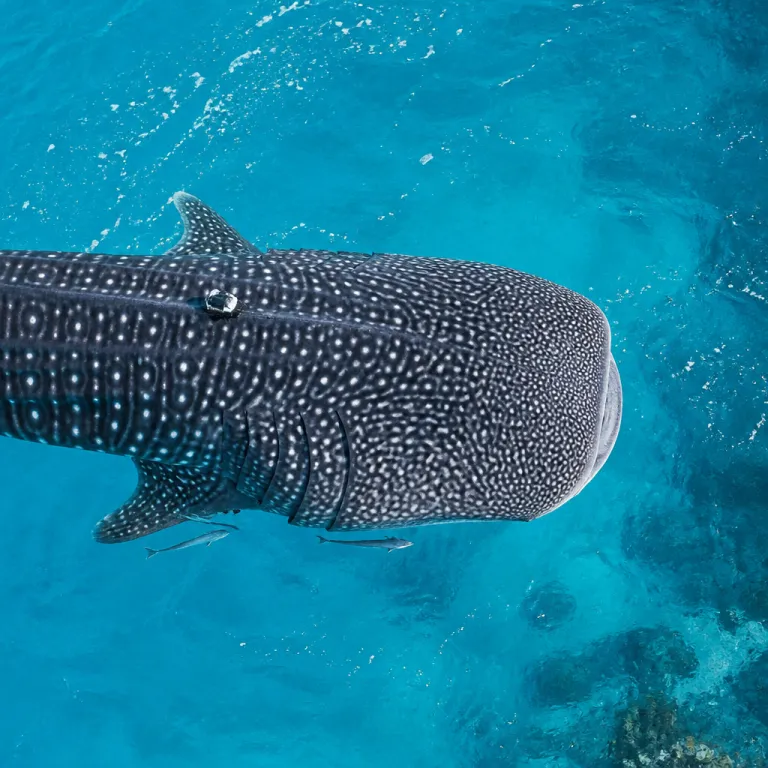
Why a Maldives whale shark South Ari Atoll encounter belongs at the heart of your trip
For many families, the Maldives becomes unforgettable the moment a whale shark appears beneath the boat. In South Ari Atoll, that moment is not a lottery ticket but a carefully choreographed encounter shaped by geography, marine science and the right choice of resort. When you plan your trip with intention, this single experience can reframe how your children see the ocean and its gentle giants.
South Ari is a long, open atoll where deep water channels funnel plankton rich currents along the outer reef, creating a natural shark aggregation corridor. This geography explains why a Maldives whale shark South Ari Atoll encounter is considered among the best shark encounters on the planet, with an estimated 80 percent success rate for sightings reported by regional operators. Because the same individual whale sharks return to this atoll year round, researchers classify parts of the outer reef as a semi resident aggregation site rather than a transient feeding ground.
For premium families, the appeal is clear and practical. You can usually swim alongside these sharks from the surface, so no diving certification is required and confident snorkelers from about eight years old can participate safely. When you book a resort in South Ari rather than another atoll, you dramatically increase the chance that your limited time in the Maldives will include a meaningful encounter with these marine giants rather than a rushed, crowded chase.
How South Ari Atoll delivers the world’s most reliable whale shark encounters
Reliability in wildlife encounters rarely happens by accident, and South Ari is a textbook example. The atoll’s western and southern rims drop quickly into deep blue water, allowing nutrient rich currents to rise close to the reef where whale sharks and manta rays feed in calm surface layers. This combination of deep channels, steady currents and a broad outer reef shelf creates an atoll year pattern of shark aggregation that few destinations can match.
Local marine biologists and the Maldives Whale Shark Research Programme have spent years cataloguing individual sharks south of Dhigurah, Maamigili and neighbouring islands. Their data show that whale sharks use this section of South Ari as a developmental habitat, returning repeatedly and making a Maldives whale shark South Ari Atoll encounter far more predictable than in open ocean hotspots. In their words, "Whale shark sightings success rate" reaches "80 %" and the "Average whale shark length" is "6 meters", figures that help families understand both the likelihood and scale of what awaits them.
For travelers choosing between a classic resort stay and a liveaboard, the trade off is straightforward. A dedicated diving safari aboard dhoni style vessels or larger yachts will maximise time along the outer reef and can offer multiple shark encounters in a single day, but it often suits experienced divers more than young children. A high quality South Ari resort, by contrast, balances structured excursions, calm lagoon time and flexible schedules, which is why many premium families treat the resort based experience south of Dhigurah as the best compromise between comfort and adventure.
When you compare properties, look beyond the word lux in the brochure and ask precise questions. How many boats snorkelers does the resort send on each trip, how long is the boat set transit to the main shark aggregation site, and what is the typical time in the water per encounter. Resorts that work closely with local dive centers and the Maldives Whale Shark Research Programme tend to manage shark encounters more responsibly, limiting group size and speed while still delivering the life changing thrill of seeing these sharks south of the reef wall.
If you are also considering a more dive focused holiday, study specialist guidance on Maldives dive resort experiences that blend luxury and marine adventure. South Ari stands out in those comparisons because it offers both world class diving with sharks and accessible surface level encounters that children and non divers can share. That duality is what keeps this atoll at the top of serious travelers’ lists when they book a resort for a first or second Maldives trip.
What swimming with whale sharks really feels like for families
Social media often edits a Maldives whale shark South Ari Atoll encounter into a single perfect frame. The reality is more dynamic, more physical and, for most families, far more rewarding than any filtered clip. Understanding what actually happens from the moment your boat leaves the resort helps you set expectations and choose the right experience south of the atoll’s main channels.
Most excursions start with a briefing aboard dhoni or a modern speedboat, where guides explain the plan, the marine life you may see and the rules for responsible shark encounters. Once the boat set reaches the outer reef, spotters scan for the shadow of whale sharks or the telltale clusters of other boats snorkelers already in the water. When a shark surfaces, the captain positions the vessel ahead of its path so your family can slip quietly into the water and swim alongside at a respectful distance.
Actual time with each whale shark is usually measured in minutes, not hours. Visibility can range from crystal clear to a milky blue haze, and sometimes you will see only the outline of these gentle giants as they cruise just below the surface. On a good day, several encounters may add up to 20 or 30 minutes of total time near whale sharks, interspersed with relaxed periods on deck where children watch manta rays, dolphins or flying fish while the crew searches for the next maldives whale silhouette.
For many parents, the most powerful moment is not the first encounter but the quiet debrief on the ride back across the atoll. Children who were nervous about sharks quickly understand that these are filter feeding fish, not predators, and that their life depends on healthy plankton rich water rather than fearsome teeth. That shift in perception often sparks questions about marine conservation, leading families to explore more in depth snorkeling experiences around the house reef and to value the resort’s marine biology programme as much as its pool or kids’ club.
Choosing the right South Ari resort for a whale shark focused stay
Not every Maldivian resort is equal when it comes to a focused Maldives whale shark South Ari Atoll encounter. Some properties sit directly on the migration corridor, while others require a long transfer before you even reach the outer reef. For premium families, the best choice balances proximity to the shark aggregation zone with thoughtful logistics, strong safety standards and a calm, family friendly atmosphere back on the island.
Look first at location within South Ari rather than brand name alone. Islands such as Dhigurah and Maamigili sit close to the main shark aggregation site, which means shorter boat rides, more flexible departure times and a higher chance of catching those brief windows when whale sharks cruise near the surface. Resorts that market themselves as lux South Ari hideaways should be able to show you clear maps of their position relative to the outer atoll reef and explain how often they run both snorkeling and diving trips focused on shark encounters.
Next, examine how each resort structures its marine programme. A serious property will employ at least one resident marine biologist, partner with qualified local dive centers and brief guests carefully on responsible shark encounters before any trip. Ask whether the resort limits the number of guests per guide, how they coordinate with other boats snorkelers in the area and whether they contribute identification photos or data to the Maldives Whale Shark Research Programme, which turns your family’s experience south of the reef into useful conservation données.
Families who value food as much as marine life should also consider the broader resort ecosystem. Some of the best South Ari properties pair strong shark aggregation access with refined culinary programmes, which you can explore in more depth through this guide to exceptional gourmet dining in Maldivian luxury hotels. When a resort can deliver both a life changing morning with whale sharks and an elegant, unhurried dinner that works for adults and children, your overall trip feels coherent rather than like a series of disconnected highlights.
Finally, consider whether you want a pure resort stay or to combine it with a short liveaboard segment aboard dhoni or small yacht. A few operators offer family friendly itineraries that start from a South Ari resort, spend several nights focusing on diving and snorkeling with sharks south of the atoll, then return you to the same island for lagoon time. This hybrid model can be the best way to maximise encounters while still giving younger travelers the stability of a familiar villa and kids’ club between offshore adventures.
Responsible whale shark tourism and how families can support it
Reliability brings pressure, and South Ari’s success as a Maldives whale shark South Ari Atoll encounter hub has inevitably attracted more boats. Responsible tourism is the only way to ensure that your children can return one day and still swim alongside these gentle giants in a healthy, thriving atoll. The good news is that families have real influence through the resorts they choose and the behaviour they model in the water.
Before you book, ask each resort to share its whale shark code of conduct. Best practice includes limiting the number of swimmers per shark, keeping at least 3 to 4 meters from the animal’s body and 4 to 5 meters from the tail, and ensuring that boats approach slowly from the side rather than cutting across the shark’s path. Operators should also prohibit flash photography, discourage touching under any circumstances and brief guests on how to enter the water calmly so that shark encounters remain low stress for both animals and people.
On board, insist that your family follows the guide’s instructions even when other boats snorkelers seem more aggressive. Teach children that staying slightly off to the side of the whale shark’s head often gives the best view of its spotted flank and allows the animal to swim in a straight line. If manta rays appear in the same area, remember that they too are filter feeding marine giants and deserve the same slow, respectful approach, especially when they circle cleaning stations along the atoll reef.
Many South Ari resorts now collaborate with the Maldives Whale Shark Research Programme and other local partners to turn guest encounters into citizen science. You can submit photos of the shark’s flank for identification, learn how researchers use spotter planes and dorsal fin patterns to track individuals and attend evening talks that explain why this atoll year pattern of residency matters for global conservation. By choosing operators who invest in education, reef safe sunscreen policies and careful boat handling, you help ensure that the life changing thrill of a maldives whale shark encounter remains sustainable rather than extractive.
Planning your South Ari itinerary around whale sharks and wider marine life
Designing a family itinerary around a Maldives whale shark South Ari Atoll encounter means thinking in days, not isolated excursions. Aim for at least three full days in a South Ari resort with access to the outer reef, which gives you multiple windows for shark aggregation conditions to align with your schedule. This buffer also allows time for weather shifts, occasional off days and the simple reality that wildlife moves on its own clock.
Most families choose to book one dedicated whale shark excursion early in the stay, then decide on a second or third based on how the first encounter feels. Between those trips, you can explore the atoll’s other marine experiences, from gentle lagoon snorkeling for younger children to more advanced diving on channels where reef sharks, turtles and sometimes manta rays glide past. A few resorts also offer twilight or night snorkeling on the house reef, which reveals a different side of marine life and helps children understand that the atoll’s rhythms continue long after daytime boats return.
If you have certified divers in the family, consider a split schedule where one parent joins a deeper diving trip while the other stays with younger snorkelers on a more relaxed boat set. South Ari’s dive sites range from easy sloping reefs to current swept channels, so a good resort or liveaboard crew will match each guest to appropriate conditions and ensure that shark encounters never compromise safety. Over the course of a week, many families find that the highlight is not just the single moment with whale sharks but the cumulative experience south of the atoll’s sandbanks, where every day brings a new layer of familiarity with the ocean.
When you finally leave, the memories that linger are often small details rather than grand statistics. The way a whale shark’s tail moved just beyond reach, the quiet concentration on your child’s face as they floated above the reef, the soft thrum of the engine aboard dhoni as you headed back across the lagoon at sunset. Those are the moments that justify choosing South Ari, where the promise of reliable encounters is matched by a depth of experience that stays with your family long after the trip ends.
FAQ
When is the best time to see whale sharks in South Ari Atoll ?
Whale sharks are present in South Ari Atoll year round, thanks to consistent plankton rich currents along the outer reef. Operators report particularly strong sighting rates from May to November, when conditions often favour surface feeding. That said, families can plan a Maldives whale shark South Ari Atoll encounter in any season and still have a high chance of success.
Do I need to be a certified diver to see whale sharks ?
You do not need any diving certification to enjoy meaningful shark encounters in South Ari. Most resorts structure their trips around snorkeling, with guests entering from the surface and swimming gently alongside the animals. Scuba diving is an option for experienced guests, but it is not required for a close, respectful encounter.
Are whale shark encounters safe for children ?
Whale sharks are filter feeding fish and are widely regarded as gentle giants that pose no threat to humans. Safety considerations focus more on boat handling, current strength and your child’s swimming confidence than on the sharks themselves. Reputable South Ari resorts will assess conditions carefully and may set minimum age or ability guidelines to ensure that every family member has a positive experience.
How long do you usually spend in the water with a whale shark ?
Individual encounters are typically brief, often lasting a few minutes as the shark swims steadily along the reef edge. Over a full excursion, you may have several separate encounters that add up to 20 or 30 minutes of total time in the water. The key is to value quality over duration, focusing on calm, respectful positioning rather than chasing the animal for as long as possible.
What should I look for when booking a resort for whale shark encounters ?
Prioritise resorts located in South Ari Atoll close to the main shark aggregation corridor, ideally near islands such as Dhigurah or Maamigili. Ask detailed questions about group size, guide training, collaboration with the Maldives Whale Shark Research Programme and how often they run dedicated whale shark trips. Properties that combine strong marine biology programmes with family friendly facilities usually deliver the most rewarding overall stay.