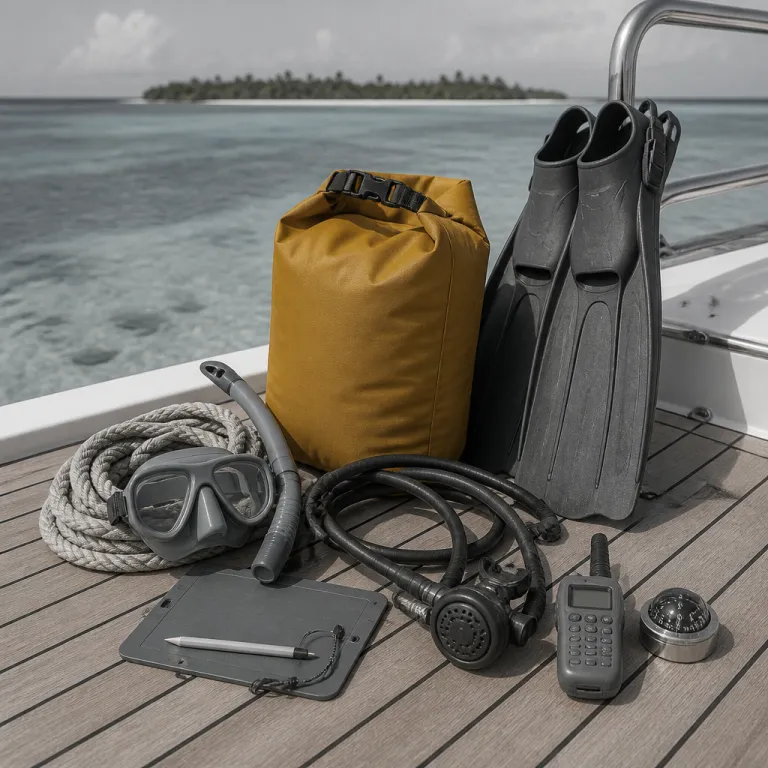
Why a maldives liveaboard cruise diving safari boat changes everything
The Maldives stretch north–south across roughly 870 kilometres of open Indian Ocean. That scale is why liveaboard dive safaris exist at all, because no single island resort can reach the full spread of atolls and signature dive sites in one stay. If you want more than one lagoon and crave a different reef every day, a Maldives liveaboard cruise diving safari boat becomes less an indulgence and more the logical way to experience diving Maldives at its best.
From the moment you leave Malé Maldives by tender and step on board, the rhythm shifts from resort time to ocean time. A typical Maldives dive safari itinerary runs seven to ten nights, with three or four dives per day and optional night trips when weather conditions and currents align. Over those Maldives days you move between central atolls, south atolls and sometimes the deep south, following channels, thilas and cleaning stations that define serious scuba diving here.
Liveaboards in the Maldives range from compact vessels to 50 metre yachts with en suite cabins and shaded sun decks. Some are converted dhonis while newer Maldives liveaboards are purpose built for atoll dive logistics, with separate dive boats and generous gear stations. Well regarded operators such as Blue Force One, Scubaspa Yang and Emperor Explorer illustrate the spread of styles, from spa focused yachts to more traditional safari boats. The best Maldives crews work with local dive guides who know how sharks, manta rays and currents behave in each atoll, turning a simple day trip into a carefully sequenced marine safari.
How liveaboards compare with luxury resorts for divers
For many couples from the United States, the Maldives still means an overwater villa and a private pool. A Maldives liveaboard cruise diving safari boat rewrites that script, trading the beach villa and spa for mobility, immersion and a different kind of luxury measured in encounters rather than thread count. You wake within reach of several dive sites before breakfast, then move again by day so each sunset finds you anchored off a new atoll.
On a resort island you usually dive the same house reef and a small radius of nearby pinnacles. By contrast, a Maldives dive cruise can cover multiple atolls in one trip, linking Ari Atoll, Malé Atoll and the central atolls into a single narrative of channels, shark points and manta rays. A sample week might start in North Malé, cross to Rasdhoo and North Ari for manta cleaning stations, then finish in South Ari for whale shark snorkelling. If you are weighing a resort based diving Maldives holiday against liveaboards, ask whether you would feel constrained by one lagoon after three or four days.
The trade off is clear and you should be honest about your priorities. A resort offers spa rituals, curated dining and the option to do nothing on a sunbed for a full day, while a liveaboard offers structured days, early starts and limited non diving diversions. Many couples now split their Maldives days, booking five or six nights on a Maldives liveaboard followed by several nights at a high end resort, often one of the best Maldives properties for post dive recovery and spa time as profiled in our Maldives dive resort experiences guide on luxury dive resort experiences.
Routes, seasons and marine life: choosing the right itinerary
Because the Maldives span so many atolls, route choice matters as much as the boat itself. Central atolls such as Ari Atoll and Malé Atoll are classic Maldives liveaboard territory, with reliable dive sites, varied topography and easier logistics from Malé. South atolls and the deep south feel wilder, with stronger currents, more pelagic sharks and fewer boats, but they demand more experience and flexibility with weather conditions.
Most liveaboards schedule their itineraries around monsoon patterns and animal behaviour. According to the Maldives Meteorological Service, the southwest monsoon typically runs from May to October, while the northeast monsoon dominates from December to March. Eastern atolls tend to shine during the southwest monsoon, while western routes, including parts of Ari Atoll, are favoured from roughly December to March when plankton draws manta rays and whale sharks to specific channels. Some operators offer special deep south expeditions around February and March, targeting hammerhead sharks and high energy atoll dive channels that are unsuitable for beginners.
When you read any trip review, look beyond the headline sightings and study the route map. Ask how many days were spent in central atolls versus south atolls, how many night trips were offered and whether the Maldives liveaboard adjusted its plan to match real time currents. One repeat guest on a central atolls itinerary described it simply: “The captain shifted our schedule twice in three days to catch incoming tides, and every change meant more sharks.” For a deeper understanding of channels, thilas and night reefs before you book, our guide to Maldives channels and thilas explains why some dive sites consistently deliver sharks while others are better for macro life.
Life on board: what couples should expect from a diving safari boat
Daily life on a Maldives liveaboard cruise diving safari boat follows a reassuringly simple pattern. You wake early, take coffee on deck while the équipe briefs the first dive, then transfer by dhoni to the site as the sun lifts over the atoll. After two morning dives and lunch, an afternoon dive and optional night dive fill the day, leaving evenings for logbooks, stargazing and quiet time together.
Cabins on modern liveaboards are compact but increasingly well designed, with en suite bathrooms, efficient storage and air conditioning that respects energy use. The best Maldives vessels balance comfort with practicality, offering dedicated camera tables, rinse tanks and shaded spaces where dive gear can dry between dives without cluttering social areas. Some higher price boats now include small spas or massage rooms, though treatments are usually more limited than on land and often need to be booked extra in advance.
Food quality varies, so read each trip review carefully and ask about dietary needs before you commit. Many operators cater well to guests from the United States and Europe, mixing Maldivian curries with lighter international dishes across the days and nights on board. Typical mid range trips might cost from around USD 2,000 to 3,500 per person for a week excluding international flights, with premium yachts charging more for added comfort and inclusions. If you crave more elaborate wellness rituals, consider ending your trip with a resort stay and explore how Maldivian healing traditions shape spa menus through our feature on island spa culture.
Planning, pricing and whether a liveaboard belongs on your itinerary
Booking a Maldives liveaboard cruise diving safari boat requires more preparation than a standard resort stay. You need valid diving certification because, as one operator puts it, "Do I need certification? Yes, a valid diving certification is required." Most liveaboards expect you to bring personal dive gear, though rental is usually available at an extra price per day if arranged in advance.
When comparing prices, look beyond the headline rate and calculate the cost per dive and per day. A seven night itinerary with three or four dives daily can represent strong value compared with resort based scuba diving, especially in central atolls where day trip boats charge premium rates for signature dive sites. As a rough guide, budget options might start near USD 180 per person per night, while high end Maldives liveaboards can exceed USD 400 per night depending on season and cabin type. Factor in domestic flights for deep south routes, potential fuel surcharges, nitrox fees and any extra nights you might need in Malé before or after the trip.
Weather conditions are generally favourable year round, but seasonal shifts affect visibility, currents and where sharks or manta rays are likely to gather. If your priority is calm seas and classic reef scenes, aim for shoulder periods such as October or late March, when many liveaboards reposition between monsoon patterns and offer interesting north–south routes. For couples who value marine encounters as much as resort comforts, combining a focused week on one of the best Maldives liveaboards with a few nights at a carefully chosen island hotel creates a balanced itinerary that feels both adventurous and deeply restorative.
FAQ
What is a liveaboard in the Maldives ?
A liveaboard in the Maldives is a vessel designed for multi day scuba diving trips, where you sleep, eat and dive from the same boat as it moves between atolls. This format allows access to remote dive sites that are difficult or impossible to reach from a single resort island. In the Maldivian context, liveaboards often operate with a separate dive dhoni that carries tanks and gear, keeping the main yacht quieter and more comfortable.
How many days should I spend on a Maldives liveaboard ?
Most itineraries run seven to ten nights, which gives enough time to explore several atolls without feeling rushed. Shorter trips of four or five nights can work if you combine them with a resort stay, but you will cover fewer dive sites and may miss more remote channels. For experienced divers targeting south atolls or deep south expeditions, ten to fourteen Maldives days on board can be justified to match long haul flights from the United States.
What marine life can I expect to see on a liveaboard ?
On a well planned route you can expect regular encounters with reef sharks, manta rays and abundant reef fish, with seasonal chances of whale sharks and schooling pelagics. Central atolls such as Ari Atoll and Malé Atoll are known for manta cleaning stations and reliable shark channels, while some deep south itineraries focus more on grey reef and hammerhead sharks. As one operator summarises it, "What marine life can I see? Manta rays, whale sharks, and diverse coral species."
Is a liveaboard suitable for non divers or new divers ?
Liveaboards are designed primarily for certified divers who are comfortable with multiple dives per day and changing weather conditions. Some vessels welcome snorkellers or offer introductory courses, but non divers may find the routine repetitive compared with a resort that offers a wider range of activities. New divers should choose itineraries in central atolls with gentler currents and ensure there is an experienced guide équipe and clear safety briefings.
When is the best time to book a Maldives liveaboard ?
Liveaboards operate year round, but specific routes and marine highlights are seasonal, so you should match your dates to your priorities. For manta rays and whale sharks in western atolls, many travellers aim for the period between roughly December and March, while some deep south shark focused trips cluster around the transition between monsoons. Because the number of quality liveaboards is limited compared with resort beds, it is wise to book several months ahead, especially if you want a specific cabin type or a popular north south itinerary.