How Maldives resort gardens are changing the way you eat on the islands
Why a Maldives resort garden changes the way you eat on the islands
On a remote island in the Maldives, every tomato has a backstory. When your plate sits a few metres from the lagoon, the Maldives resort garden, farm-to-table and local food philosophy stops being a slogan and becomes a logistical puzzle. Solo travellers who care about where their food comes from quickly realise that this dream destination imports close to everything they eat.
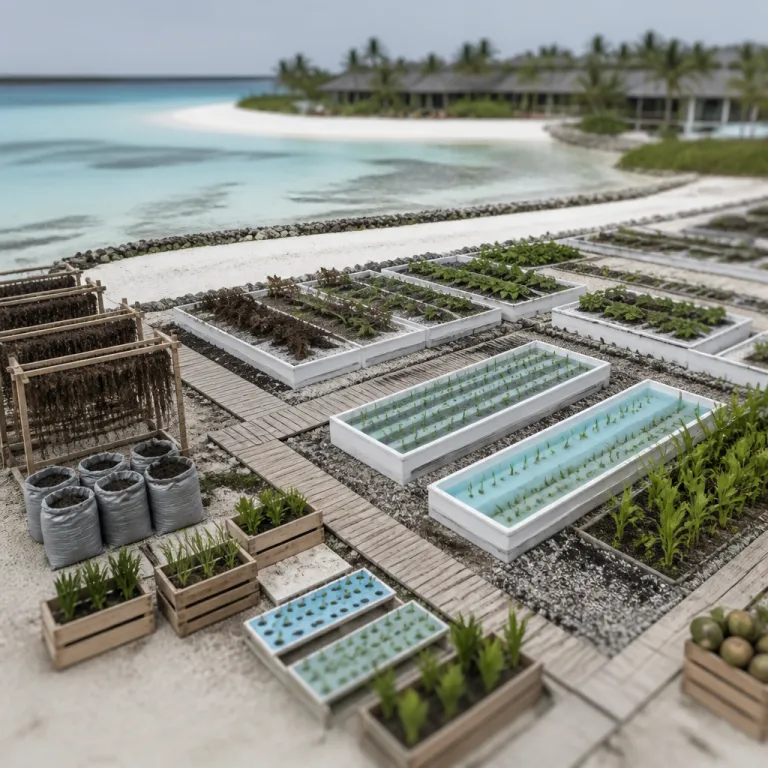
Resort managers, local agricultural experts and chefs now work together to turn infertile sand into a working farm that actually nourishes the body. They are using hydroponics, raised beds and composting to create an organic farm system that can supply fresh ingredients daily, even when the nearest traditional farm hill is hundreds of kilometres away. For guests, this shift is not just about sustainability language, it is about a dining experience where the garden and the reef dictate the menu.
Across the archipelago, about 15 resorts already operate some form of organic garden on their island, according to estimates shared by the Maldives Association of Tourism Industry in sustainability briefings around 2022–2023. These hotels and resorts use greenhouses, drip irrigation and organic fertilizers to coax farm-fresh herbs, salad leaves and chillies from coral sand that never supported crops before. The result is a new kind of farm-to-table story in the Maldives, where guests enjoy food that tastes of the place rather than of freight containers.
When you book a premium resort, ask how deep their commitment to sustainability really runs. Some properties now track organic waste carefully, turning kitchen scraps into compost that feeds the same garden supplying your lunch. One food and beverage manager on a Baa Atoll island described it simply in a 2023 training session: “If it goes on the plate, we ask whether it can start in our soil.” Others still rely almost entirely on imports, so the Maldives resort garden and local food narrative remains more marketing than measurable impact.
For a solo explorer, this is where the island choice becomes personal. If you want a genuine connection with nature, look for resorts that invite you into the garden rather than just photographing it for brochures. A stay on a small island with a working farm can feel more grounded than a week spent rotating between overwater villas and buffets.
From supply chain headache to farm table pleasure
Running a luxury kitchen on a sandbar means living at the mercy of supply boats. The Maldives Statistical Yearbook and FAO reports have consistently indicated that roughly 90 percent of food consumed in the country is imported (a figure repeated in government briefings as recently as 2022), so every resort chef thinks about freight schedules before they think about flavour. That is why the Maldives resort garden and island farm-to-table movement is as much about logistics as it is about gastronomy.
Hydroponic systems now sit behind staff villages, quietly producing lettuce, basil and cherry tomatoes in nutrient-rich water instead of soil. A single 40-square-metre unit can yield dozens of kilos of salad greens each week in peak season, often translating to 1–2 kilograms per square metre, enough to cover most of the resort’s daily demand. Composting units transform organic waste from breakfast buffets into material that can support raised beds, closing a loop that once ended at the incinerator or on a supply barge. When these systems work well, guests enjoy salads and plant-based dishes that travelled a few metres from garden to table instead of flying in from another continent.
Resorts like Innahura and Cinnamon Dhonveli have organic gardens, and their chefs build a flexible menu around whatever the farm bounty looks like that week. One evening you might taste a simple farm-fork salad of rocket, cucumber and herbs, the next you could be eating grilled reef fish with a salsa of locally sourced chillies and lime. This approach turns the dining experience into a living reflection of the island’s micro seasons rather than a fixed hotel standard.
For travellers comparing meal plans, this has practical implications. An all-inclusive package at a resort with a serious organic garden often means more access to fresh ingredients and fewer anonymous buffet trays, while a half-board plan at a property without a farm may lean heavily on frozen imports, so it is worth reading a detailed guide to the Maldives meal plan maze on how meal plans shape your dining experience. When you understand how supply chains work on each island, you can choose a resort where your food budget supports the kind of kitchen you actually want to eat in. That is the quiet luxury that rarely makes it into glossy brochures.
Not every resort can or should aim for full self-sufficiency, and the honest ones admit it. A single organic farm on a small island will never feed 200 guests three times a day, especially when many expect imported delicacies. What it can do is anchor a more eco-conscious approach, where local ingredients and farm-fresh produce set the tone for the rest of the menu.
Inside the resort garden: senses, flavours and the new Maldivian pantry
Walk into a well-run resort garden and your senses shift instantly. The air is thick with basil, wet soil and the faint salt of the nearby lagoon, a contrast to the air-conditioned calm of most hotels and resorts. This is where the Maldives resort garden, farm-to-fork and local food idea becomes tangible, leaf by leaf.
Rows of lettuce, Asian greens and herbs grow under shade cloth, protected from the harshest tropical sun. Drip irrigation lines snake between raised beds, delivering water with a precision that respects the island’s limited freshwater reserves and underlining a real commitment to sustainability. In one corner, an organic garden team tends seedlings that will become tomorrow’s farm-fresh garnishes, while another group manages compost made from carefully sorted organic waste.
Chefs now treat these plots as an extension of their pantry rather than a decorative project. They step into the garden before service, tasting leaves and checking which fresh ingredients are at their peak for that evening’s dining experience. Menus change subtly as the farm bounty shifts, so the same resort can feel like a different culinary destination from one visit to the next.
Some properties brand their gardens with names that echo wellness concepts, evoking places like Senses Laamu or Senses Samui even when they are not directly connected. The idea is to signal a connection with nature and a focus on food that nourishes the body instead of just filling it. When this is done with integrity, the garden becomes a quiet counterpoint to more theatrical experiences such as underwater dining, which you can read about in depth in this analysis of what underwater dining reveals about Maldivian gastronomy.
For solo travellers, these spaces offer a rare kind of calm. You can wander between beds, talk to gardeners about which organic farm techniques work on coral sand and taste a cherry tomato still warm from the sun. It is a different way to experience an island, one that feels more grounded than another sunset cocktail at the bar.
From reef to fork: local fishing, plant based menus and honest sustainability
While gardens handle herbs and vegetables, the surrounding ocean still provides the Maldives with its most iconic ingredients. Many resorts now partner with local fishing cooperatives to secure line-caught reef fish, turning the lagoon into a daily extension of the farm-to-table philosophy. When chefs pair this catch with produce from the island garden, the Maldives resort garden and local food narrative finally feels complete.
On a typical evening, you might eat grilled tuna with a salad of farm-fresh greens and coconut, or a curry built around locally sourced vegetables and spices. Increasingly, plant-based dishes sit at the centre of the menu rather than in a token corner, reflecting both global trends and the reality of what can be grown or sourced nearby. This shift towards food that nourishes the body and respects the reef is where the most interesting culinary innovation is happening.
Resort kitchens are also rethinking how they handle by-products and scraps. Fish bones become stock, vegetable trimmings feed compost systems and organic waste is tracked as carefully as guest preferences, reducing the environmental footprint of each dining experience. These practices may not be as photogenic as an overwater restaurant, but they matter more for the long-term health of the islands.
There is an honest tension here that serious travellers should recognise. On-island farming and careful sourcing are steps towards a more eco-conscious model, yet no resort can claim full sustainability while flying in premium wines and imported meats. The most credible properties are transparent about this, framing their commitment to sustainability as a journey rather than a finished product.
When you evaluate resorts, look beyond slogans and ask specific questions about how they source ingredients. Do they work with local fishers, run an organic garden and measure their reduction in imports, or do they simply garnish plates with a few herbs grown on site? Your booking choices send a clear signal about the kind of hospitality culture you want to support in the Maldives.
How to choose a resort for a genuinely local, garden driven table
For a solo explorer planning a trip, the challenge is turning all this nuance into a concrete booking decision. Not every Maldives resort garden is created equal, and not every claim about a resort garden, farm-to-table and local food focus stands up to scrutiny. The good news is that a few targeted questions can reveal a lot about what really happens behind the kitchen doors.
Start by asking whether the resort operates a working organic garden or hydroponic farm, and how much of the menu it actually supplies. Properties that share specific figures, such as a 20 percent reduction in food imports, a list of crops grown on site or the volume of compost they produce each month, tend to have a deeper commitment to sustainability than those that speak only in generalities. You can also ask whether they collaborate with local farmers, agricultural NGOs or government agencies to improve their practices.
Next, look at how the garden and reef are integrated into guest experiences. Some resorts offer guided farm tours, cooking classes using farm-fresh ingredients or catch-and-cook excursions with local fishers, turning supply chain constraints into meaningful stories. Others simply mention a garden in passing, without inviting guests to engage their senses or build a real connection with nature.
For travellers who like to roam beyond one island, it is worth reading about options such as liveaboards and multi-island itineraries on what to do when a single resort island is not enough. Moving between different resorts lets you compare how each handles food sourcing, from farm hill style raised beds to compact hydroponic units tucked behind staff housing. Over a single trip, you can taste how different philosophies translate into real plates.
Finally, remember that perfection is not the goal. What matters is whether a resort treats its garden, its reef and its waste streams as serious responsibilities rather than decorative extras. When you find a property where the farm, the ocean and the kitchen speak the same language, you will taste it in every bite.
FAQ
Which Maldives resorts have on site gardens that supply their kitchens ?
Several resorts now run meaningful gardens or hydroponic farms on their islands. Resorts like Innahura and Cinnamon Dhonveli have organic gardens, and their chefs use this produce daily in salads, curries and plant-based dishes. When researching, look for properties that mention specific crops, farm tours or hydroponic systems rather than vague green language.
How do resorts grow food on islands with infertile soil ?
Most resort islands sit on coral sand that cannot support traditional agriculture, so teams rely on hydroponics, raised beds and intensive composting. Greenhouses and drip irrigation help control heat and water use, while organic fertilizers made from kitchen waste enrich imported growing media. These methods allow a small farm to thrive even where nothing used to grow.
What methods are used to grow food on infertile islands ?
According to local experts and training materials used in Maldivian agricultural projects, techniques include hydroponics, composting and raised bed gardening. Resorts combine these methods with careful water management and shade structures to protect delicate plants from intense sun and salt spray. The result is a steady supply of herbs, salad leaves and vegetables that would otherwise need to be flown in.
How does on site cultivation benefit guests staying at luxury resorts ?
On-site cultivation means guests enjoy fresher salads, herbs and vegetables with more flavour and better texture. It also reduces the resort’s dependence on imports, which can lower the carbon footprint of each meal and improve resilience when supply boats are delayed. For travellers who care about sustainability, seeing the garden that feeds them adds a layer of meaning to every dining experience.
Can resort gardens in the Maldives fully replace imported food ?
Resort gardens are not designed to replace all imported food, especially for items like grains, dairy or certain fruits. Their role is to supply high-impact ingredients such as herbs, leafy greens and some vegetables, while also reducing organic waste through composting. The symbolic and educational value is significant, helping guests understand the realities of island life and encouraging more thoughtful consumption.