Why the Maldives became the world’s underwater architecture laboratory
The Maldives did not set out to become a showcase for underwater architecture, yet its geography made it inevitable. Shallow lagoons, clear water and stable reef platforms give architects a natural test bed for every ambitious underwater restaurant or undersea suite. When you plan a stay at a maldives resort today, you are often choosing between several submerged attractions rather than hunting for a single novelty.
Most island resort projects begin with bathymetric surveys that map the sea floor in centimetre detail, because the exact depth will dictate the structure’s position and the metres surface above the roof. Engineers model wave action, currents and pressure differentials to ensure that each underwater space can handle both calm lagoon days and seasonal storms. This is why a serious luxury resort will share technical details during pre opening briefings, while leisure media usually focuses only on the dramatic ocean view.
Guests see a serene underwater dining room, but the design process started years ago with environmental impact assessments and reef health studies. Developers who rushed projects years ago often paid the price with cloudy glass, stressed marine life and expensive retrofits. The best maldives underwater architecture restaurant design now treats the building as a long term resident of the reef, not a temporary attraction for a few aug holiday seasons.
From viewing windows to full underwater restaurants and suites
The first underwater attractions in the Maldives were simple reef viewing lounges, little more than submerged tubes with small windows. Those early spaces hinted at what was possible, but they lacked the drama and intimacy that today’s underwater restaurant concepts deliver. Over time, guest expectations rose and architects began to imagine entire dining rooms, spas and bedrooms placed fully below the sea surface.
At hurawalhi island, the famous 5.8 underwater restaurant shows how far the design language has evolved. The curved acrylic shell sits several metres surface below the lagoon, creating a tunnel like volume where every table has a panoramic view of the reef and its marine life. When you book hurawalhi as your chosen maldives resort, you are not just reserving a room in a resort spa, you are reserving a front row seat to a living ocean theatre.
On another atoll, anantara kihavah offers an underwater restaurant Maldives travellers often compare to a private aquarium, with a compact dining room wrapped in thick acrylic and framed by coral gardens. These underwater restaurants in the Maldives have shifted from gimmick to signature amenity, influencing how entire island resort masterplans are drawn. For design focused travellers, choosing between hurawalhi, anantara kihavah or a property with the Subsix underwater venue can be as important as comparing villa categories or spa menus, especially if maldives underwater architecture restaurant design is the main reason for the trip.
For a deeper look at how chefs match these spaces with local flavours, see this guide to Maldivian fine dining beyond the buffet, which pairs naturally with any underwater dining itinerary.
How submerged structures are engineered, built and kept crystal clear
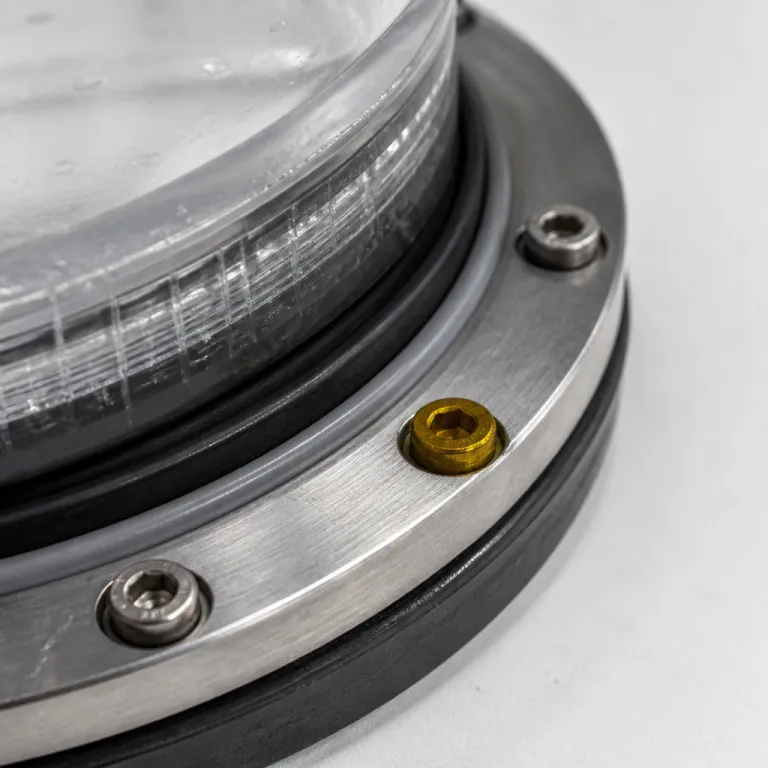
Behind every tranquil underwater restaurant lies a complex engineering story that most guests will never see. The heart of maldives underwater architecture restaurant design is the pressure resistant acrylic shell, usually prefabricated off site and transported by barge to the island. Dive teams then guide the structure into a pre dredged basin, where it is carefully ballasted and anchored to withstand both buoyancy and lateral forces.
Curved acrylic panels are the defining feature of these underwater dining rooms, and they are far from decorative. Each panel is calculated to handle the pressure differential between the air conditioned interior and the surrounding sea, with thickness increasing as the depth and span grow. Before guests ever enjoy their first restaurant Maldives tasting menu, the shell has undergone extensive pressure testing, leak checks and structural monitoring to satisfy both international codes and local regulations.
Once installed, the invisible systems take over, from pumps that manage humidity to filtration lines that keep condensation off the glass so the view remains sharp. Anti fouling coatings slow marine growth, but they must be balanced carefully to protect nearby coral and fish life. Resorts that take sustainability seriously schedule regular cleaning dives, use low impact lighting to avoid disorienting marine life and integrate the structure into the reef rather than clearing it, echoing the barefoot design philosophy explored in this analysis of why natural materials are replacing marble in the Maldives.
What guests rarely see: operations, sustainability and reef impact
From the guest perspective, underwater dining feels effortless, but the operations team works constantly to keep it that way. Every luxury resort with an underwater restaurant runs daily checks on pumps, dehumidifiers and structural sensors before the first seating. If you arrive early for dinner, you may notice staff quietly polishing acrylic from the inside while dive teams brush algae from the outside, all to protect that uninterrupted ocean view.
The sustainability question is more complex than marketing suggests, especially when several underwater restaurants cluster in the same lagoon. Poorly planned projects years ago sometimes required coral removal or heavy dredging, which disrupted marine life and altered currents. The better maldives resort operators now treat each undersea restaurant as a potential artificial reef anchor, using textured bases and coral transplantation to encourage regrowth around the structure.
Properties such as hurawalhi and anantara kihavah often pair their underwater dining experiences with marine biology briefings, turning a restaurant into a classroom on reef ecology. When you evaluate restaurants Maldives wide, look for resorts that publish reef monitoring data and partner with independent leisure media rather than relying only on glossy brochures. A serious island resort will also be transparent about how far its underwater venue sits from sensitive coral zones, how often it is cleaned and what materials were used in the original design.
How to choose the right underwater experience for your stay
For travellers using a luxury and premium hotel booking website, the challenge is not finding an underwater restaurant but choosing the right one. Start by asking what role maldives underwater architecture restaurant design should play in your trip, whether it is a single celebratory meal or a recurring theme across several nights. Solo explorers often prefer smaller venues where the focus stays on the reef and the food rather than on social media theatrics.
Hurawalhi’s 5.8 venue suits guests who want an intimate, design forward underwater dining room with a strong wine programme and a clear narrative around marine conservation. Anantara kihavah appeals to travellers who like to pair an underwater restaurant experience with an observatory session or a long afternoon on the beach, creating a full day of sea and sky immersion. If you are curious about nightlife, the Subsix underwater space at Niyama offers a different energy, more lounge than restaurant, where the architecture frames the party rather than the tasting menu.
When comparing options on any maldives resort booking platform, look beyond the headline images and ask for section drawings, depth information and seating layouts. A venue that sits several metres surface below the lagoon will feel very different from one barely under the waterline, especially during a long tasting menu. The most rewarding stays weave these underwater moments into a broader itinerary of reef snorkelling, island walks and surface level dining, so the architecture becomes one thread in a wider Maldivian life story rather than a single spectacle.
FAQ
How safe are underwater restaurants and suites in the Maldives ?
Underwater restaurants and suites in the Maldives are engineered to international structural and safety standards, with thick acrylic shells designed to handle significant pressure differentials. Before opening, each venue undergoes pressure testing, leak checks and regular inspections by engineers and local authorities. During operations, resorts monitor humidity, pumps and structural sensors daily to ensure the spaces remain safe and dry.
Do underwater structures damage the reef or marine life ?
Impact on the reef depends on how each project is planned and built, because poor siting or heavy dredging can stress coral and marine life. Many newer developments use environmental impact assessments, careful positioning on sandy patches and textured bases that encourage coral growth, effectively turning the foundations into artificial reef anchors. When choosing a property, look for resorts that publish reef monitoring data and work with marine biologists on long term conservation programmes.
What should I consider when booking an underwater dining experience ?
When booking underwater dining, check the depth of the venue, the seating layout and whether every table has a clear view of the reef. It is also worth asking about menu style, duration of the experience and how many guests are seated per service, especially if you prefer a quieter atmosphere. Finally, confirm whether the resort offers marine biology briefings or reef friendly practices, which can add context and meaning to the meal.
Are underwater restaurants suitable for solo travellers ?
Underwater restaurants in the Maldives can work very well for solo travellers, particularly at venues with counter seating or smaller dining rooms. Many resorts are accustomed to independent guests and will seat you where the view and experience feel comfortable rather than conspicuous. If you are concerned about atmosphere, choose lunch services with brighter reef activity or early evening seatings before the room becomes too social.
How far in advance should I reserve an underwater venue ?
Reservations for underwater restaurants and suites in the Maldives often open several months ahead, and prime sunset or weekend slots can fill quickly. As soon as you confirm your resort booking, contact the property or your travel advisor to secure preferred dates and times. For special occasions, request written confirmation and ask about cancellation policies, as these venues usually have limited capacity and strict timing.