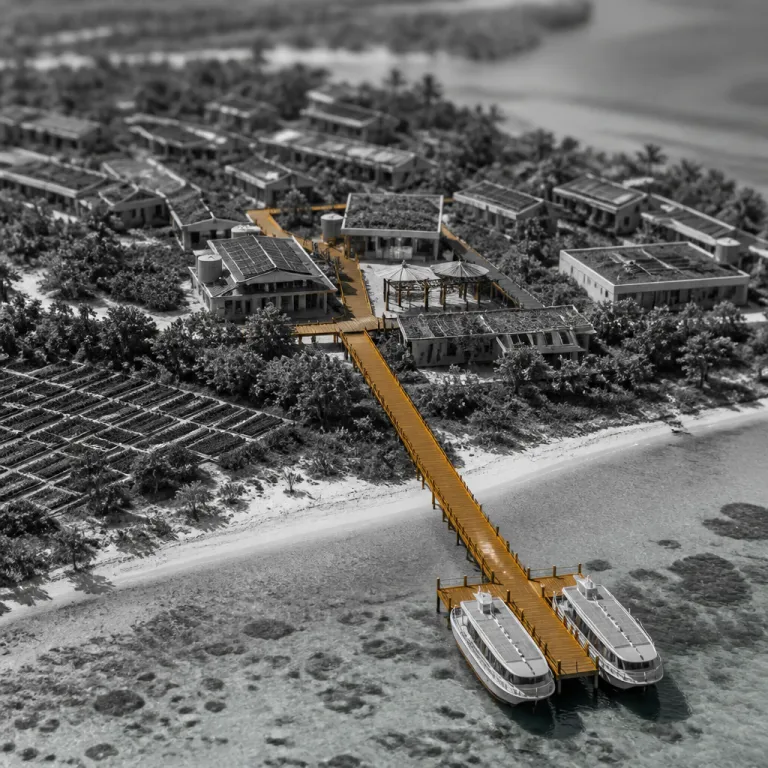
Thaa Atoll’s near net zero township and the new Maldivian map
The thaa atoll maldives sustainable development mega project signals a decisive shift in how high end travel and local life may share the same lagoon. At its core, this $175 million sustainable township in Thaa Atoll aims to move the Maldives away from a business as usual model of isolated private islands toward integrated islands where tourism, energy and food production coexist in one coordinated project. For travelers used to flying in for a quick escap on a small island resort, this change will reshape how you read the map, how you assess risk, and how you choose where to stay.
Co developed by London based Emerald Corporates and Malé based Blue Synergy Investments, the project is framed as a near net zero sustainable township with solar plus storage, ocean energy pilots and advanced waste systems embedded from day one. In official material, the developers state that the thaa atoll maldives sustainable development mega project is a $175 million development aiming to create a sustainable township in Thaa Atoll, Maldives. For the national tourism strategy, this means one atoll becomes a test case where a resident population, eco resorts and mariculture facilities share infrastructure, data and services rather than duplicating them across scattered islands.
Leadership is explicit and personal, with Dr. Sailesh Lachu Hiranandani of Emerald Group and Mohamed Fayaz of Blue Synergy positioned as the public faces of this change adaptation experiment. Their partnership links global capital with local knowledge, while the Maldivian government and international investors act as partners in a wider adaptation mitigation agenda that treats climate change as both a threat and an economic catalyst. For guests, the question is simple yet profound ; will this atoll feel like a polished sustainable escap or like a working sustainable township where the socio economic fabric, the resident coordinator style governance and the daily rhythms of a national population are visible alongside the overwater suites.
From Fari Islands to Thaa Atoll: integrated destinations under climate pressure
Luxury travelers already know one integrated model in the Maldives through the Fari Islands, where Patina and The Ritz Carlton share a lagoon, a marina and staff housing across several islands. That cluster still leans heavily toward tourism, while the thaa atoll maldives sustainable development mega project proposes a deeper blue synergy between eco resorts, a working harbour, mariculture facilities and a permanent sustainable township that hosts workers and families year round. This is where the risk profile changes ; guests will be staying inside a living atoll scale experiment in climate change adaptation rather than a sealed off resort bubble.
For context, look at how Baa Atoll’s biosphere reserve status has shaped resort development and environmental risk reduction, as examined in this analysis of building inside a biosphere. In Thaa, the stakes are different because the project layers a sustainable township, mariculture export hubs and eco resorts onto a single atoll that must still manage disaster risk, sea level rise and coral health under tightening global climate projection scenarios. Every new jetty, every desalination plant and every energy system will carry both tourism impacts and national adaptation implications for small island communities.
For executives extending a business trip into leisure, this means due diligence now includes reading climate data and national planning documents alongside hotel fact sheets. You will want to understand how Emerald Corporates and Blue Synergy Investments structure their synergy investments, how the coordinator office style governance might interact with United Nations climate frameworks, and how resident coordinator level oversight could influence long term maintenance of critical infrastructure. In practice, that translates into asking how disaster risk reduction is built into evacuation routes, how change adaptation is funded over decades, and how the atoll’s blue and emerald lagoons are monitored so that today’s escap does not become tomorrow’s disaster headline.
Mariculture, luxury stays and what guests should watch in Thaa Atoll
The most radical element of the thaa atoll maldives sustainable development mega project for travelers is not the solar arrays or the ocean energy pilots, but the mariculture export industry planned alongside eco resorts. Grouper, sea cucumber and seaweed farms promise socio economic diversification beyond tourism, yet they also introduce new environmental risk if data on water quality, currents and disease is not rigorously managed across the islands. For guests, the question will be whether this blue economy push feels like a refined emerald toned extension of the lagoon or an industrial layer that competes with the blue water escap you came for.
High end travelers have already shown strong appetite for properties where sustainable design, marine science and low impact operations are non negotiable, as seen in the rise of luxury eco resorts in the Maldives. Thaa Atoll raises the bar by embedding hotels inside a sustainable township that must balance local population needs, mariculture jobs and tourism revenue while planning for sea level rise and more frequent climate related disaster events. The presence of figures like Sailesh Lachu and Sailesh Lachu Hiranandani on the international stage, alongside local leaders such as Mohamed Fayaz, will shape how global investors, United Nations agencies and climate finance actors judge whether this atoll represents genuine change or just a rebranded business as usual model.
For now, no construction commencement date has been announced, which gives discerning travelers time to track how adaptation mitigation plans, risk reduction measures and climate change governance frameworks are translated into actual contracts and site layouts. When bookings eventually open, you should read environmental impact assessments as carefully as you read room descriptions, and compare Thaa’s model with other shifts in Maldivian luxury such as the trends analysed in this piece on how the all villa arms race is reshaping luxury. The real test will be whether a stay in Thaa Atoll lets you enjoy an emerald and blue horizon while knowing that the project’s climate projection work, national level coordination and resident coordinator style oversight are quietly securing the future of these islands for both guests and the communities who call them home.
Key facts for travelers tracking Thaa Atoll’s sustainable township
What is the Thaa Atoll sustainable township project? A $175 million development aiming to create a sustainable township in Thaa Atoll, Maldives. Who are the developers of the Thaa Atoll project? Emerald Corporates and Blue Synergy Investments are co-developing the project. What is the goal of the Thaa Atoll sustainable township? To diversify the Maldivian economy and promote sustainable development beyond traditional one-island resorts.