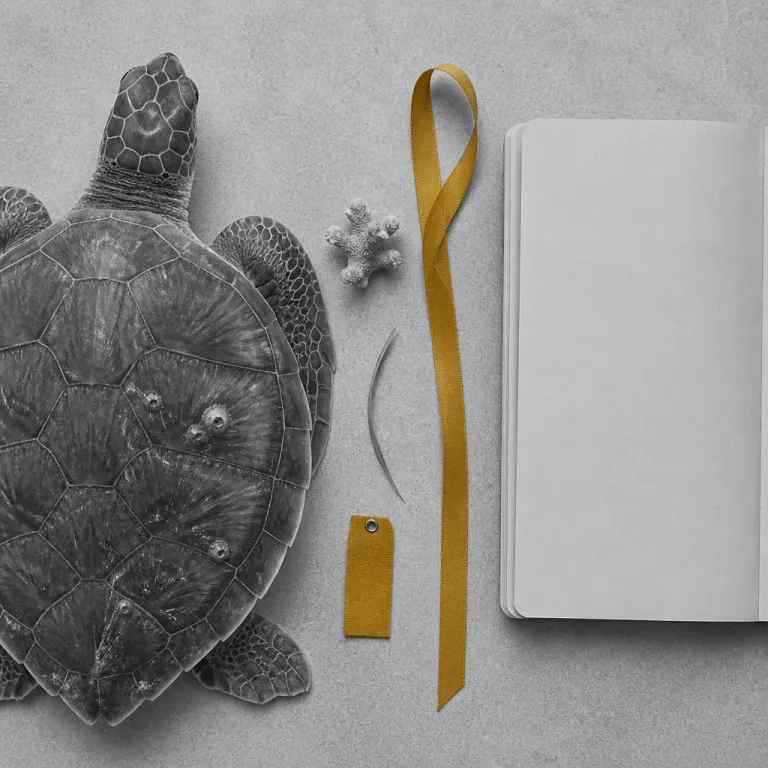
Sea turtle identification becomes the new luxury currency at eri maldives
Eri Maldives has quietly turned its house reef in North Malé Atoll into a working field station, where the eri Maldives sea turtle conservation programme now tracks fourteen resident sea turtles by individual markings. The resort’s marine biologists catalogue each turtle and each hawksbill through shell formations, flipper structure and carapace patterns, giving guests a precise entry point into marine conservation rather than a vague ocean awareness talk. For travellers used to choosing a resort in the Maldives by villa size or private lagoon views, this shift toward data driven reef monitoring signals a deeper kind of luxury experience.
The newest resident, Otto, is the first green turtle formally logged at Eri Maldives, and his arrival pushed the count of identified turtles to fourteen individuals. Otto joins characters such as Miss Torti, with her saw like shell edges and split rear scutes, Hank, with an underdeveloped right hind flipper, and Farfalle, whose speckled carapace resembles a constellation map, giving guests a cast of sea turtles they can recognise by sight on every snorkel. This level of detail means that when guests talk about a turtle or a hawksbill encounter on the reef, they are contributing to a growing archive of marine life observations rather than just sharing another holiday anecdote.
The eri Maldives sea turtle conservation programme runs across a 45 day window from day June activities around World Reef Awareness Day through to mid day July, aligning guest stays with key international awareness day milestones. During this period, the resort unveils ocean themed events that link World Oceans Day, World Sea Turtle Day and Shark Awareness Day into a single narrative about ocean harmony on the house reef. For solo travel planners or a family considering a lagoon resort in the Maldives, it means that a stay at this resort in male atoll can be timed to coincide with specific marine conservation events rather than generic school holiday dates.
From marketing promise to in water practice on turtle day
On World Sea Turtle Day, branded on property as the “Turtley Awesome” turtle day, the eri Maldives sea turtle conservation programme moves from the briefing room to the reef edge. Guests gather for an educational session that runs through the difference between a green turtle and a hawksbill, how to spot stress on a coral reef and why marine conservation in the Maldives depends on long term photo identification. The schedule is precise ; from 14:15 to 16:30, guests move from classroom style awareness to guided snorkelling safaris over the house reef and into the adjacent private lagoon.
Here, the marketing promise of ocean awareness is tested in real time, because guests are asked to photograph sea turtles rather than touch or chase them. Underwater cameras and laminated identification guides help guests log each turtle, while marine biologists explain how shell nicks, flipper scars and carapace geometry distinguish one hawksbill from another. As the resort’s équipe puts it in guest materials, “Guests can join snorkeling safaris, assist in turtle identification, and attend educational sessions.”
For travellers comparing sustainable luxury options, this is where Eri Maldives diverges from many a fen fushi or sirru fen style property that limits marine life engagement to a single awareness day slideshow. Here, the eri Maldives sea turtle conservation programme treats every guided swim as a data collection exercise, feeding images to partners such as the Maldives Marine Research Centre and Reefscapers for long term marine life tracking. Guests who stay across day June and day July dates can see how repeated sightings of the same sea turtle or green turtle build a picture of reef health that goes far beyond a one off ocean experience.
The resort’s focus on ocean harmony also intersects with broader green technology trends in the Maldives, where solar desalination and zero waste systems are reshaping what a luxury resort can be. Travellers who care about how their stay impacts the sea can look at how advanced water treatment and energy systems support marine conservation, and resources such as this guide to green technology powering Maldives resorts provide useful context. For a solo explorer choosing between a classic overwater villa stay and a more engaged marine programme, the ability to join structured snorkelling safaris while knowing the back of house systems are equally considered can be decisive.
Guests invited to name turtles and shape the conservation narrative
The most radical element of the eri Maldives sea turtle conservation programme is not the technology but the invitation for guests to co author the story of the reef. When a new turtle or hawksbill appears on the reef and cannot be matched to existing identification records, guests are invited to propose names, turning a fleeting sea encounter into a lasting entry in the resort’s marine life catalogue. Otto, the first recorded green sea turtle at the resort, was named in this way, and his profile now sits alongside Miss Torti, Hank and Farfalle in the resort’s conservation storytelling sessions.
These storytelling evenings, held regularly across the 45 day ocean awareness window, link individual sea turtles to broader themes of marine conservation in the Maldives. Marine biologists explain why tracking a single green turtle over several seasons helps measure reef resilience, and how repeated sightings logged by guests contribute to regional datasets managed with local marine conservation organizations. As the resort’s FAQ explains, “Who is Otto? Otto is the first green sea turtle identified at Eri Maldives, named as the fourteenth resident turtle.” and “What is the purpose of naming resident turtles? Naming helps in tracking and conserving individual turtles, fostering a personal connection for guests.”
For travellers using stay in Maldives style resources to plan a trip, this kind of participatory science can sit alongside more traditional priorities such as romantic escapes or family friendly lagoon resort layouts. A solo explorer might pair a stay at Eri Maldives with another property from a curated list of luxury eco resorts in the Maldives, using each stop to compare how different islands balance privacy, a fushi private style lagoon and serious marine conservation work. Those planning a future return to the Maldives can even time their travel to coincide again with the June to July awareness day calendar, checking in on Otto and the other sea turtles like old friends and seeing whether the reef, and their own relationship with the ocean, has changed.
Further reading
For more context on marine conservation and sustainable luxury in the Maldives, consult Visit Maldives Corporation, Hotelier Maldives and the Maldives Marine Research Centre.