Why plastic free luxury in the Maldives is no longer optional
The phrase “maldives eco resort plastic free sustainable” is no longer a niche search term, it is the new baseline for serious travelers. On a typical island resort in the Maldives, every bottle, wrapper and amenity has arrived by boat and must either be shipped back to the mainland or burned, so every plastic decision carries a visible cost in the atoll’s still air. When you book a resort Maldives stay today, you are effectively voting for the waste system that will shape the lagoon your villa overlooks.
The country’s geography makes plastic waste uniquely challenging, because each island resort operates like a standalone mini city with its own water, power and waste infrastructure. A luxury hotel that calls itself eco friendly in the Maldives must therefore go far beyond banning plastic straws and offering bamboo toothbrushes, since the real impact lies in freight packaging, staff housing and back of house operations that guests rarely see. The maldives best examples of sustainable resorts have reengineered procurement so that suppliers strip unnecessary plastic before goods ever reach Malé or the speedboat Malé jetties.
For couples choosing between resorts Maldives wide, the question is no longer whether a property has refillable plastic bottles in the villa, but whether the resort has eliminated single use plastic from its supply chain entirely. The most serious eco resorts publish waste audits, track sustainability metrics and employ a resident marine biologist whose work in marine conservation is as central to the brand as the overwater villas. When you compare each resort Maldives option, look for certified programmes, transparent reporting and clear commitments to reduce plastic waste per guest night.
From performative green to systemic change in island operations
Many hotels in the Maldives now market themselves as green or eco friendly, yet the gap between performative gestures and systemic change remains wide. A maldives eco resort plastic free sustainable in practice is one that has redesigned its logistics from the mainland, insisting that suppliers remove outer plastic packaging before goods are loaded for Malé Atoll or North Malé Atoll. This upstream work matters more than the visible bamboo straw, because it prevents plastic waste from ever reaching the island.
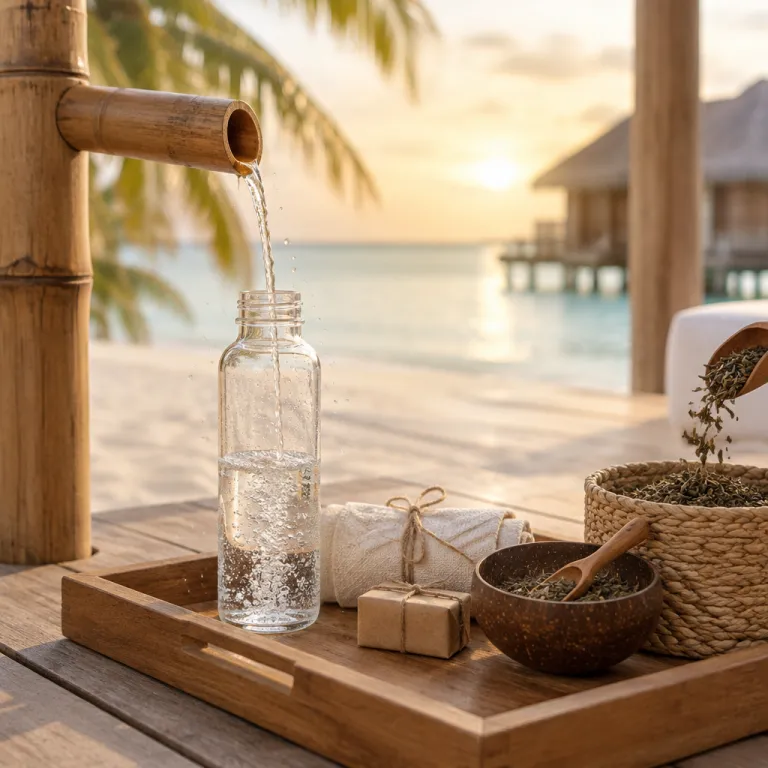
Some of the best friendly resorts have invested in on site water bottling plants, turning desalinated seawater into still and sparkling drinking water in reusable glass, which removes thousands of plastic bottles from the waste stream each month. When you book a resort Maldives stay at properties like Soneva Fushi or OZEN Life Maadhoo, you are entering a closed loop system where composting, glass crushing and food waste management are treated as core luxury infrastructure rather than back office chores. These eco friendly systems are rarely glamorous, but they are what allow an island to call itself a truly sustainable resort.
Certification helps cut through the marketing noise, though labels vary in rigor and relevance to the Maldives context. Green Globe certified properties, for example, must demonstrate continuous improvement in energy, water and waste, which is particularly demanding on a remote island resort that relies on diesel and desalination. When a resort in the Maldives highlights its Green Globe certification alongside detailed sustainability reports, it signals that plastic reduction and waste management are embedded in management decisions, not just in guest facing amenities.
For travelers tracking the broader evolution of sustainable development in the archipelago, the conversation now extends beyond one island resorts to regional planning and infrastructure. Projects such as the emerging sustainable township concept in Thaa Atoll, explored in depth in this analysis of what a large scale sustainable township could mean for the Maldives beyond single island resorts, show how waste, water and energy systems might eventually be shared across multiple islands. As these models mature, expect the most ambitious eco resorts to plug into regional recycling and composting networks, further reducing their reliance on incineration and landfill.
Resorts that set the pace: Soneva, OZEN Life and the new eco vanguard
When travelers search for a maldives eco resort plastic free sustainable stay, Soneva almost always appears at the top of the conversation. Soneva Fushi, on its lush Baa Atoll island, has become a reference point for zero waste luxury, with its on site glass studio, composting systems and water bottling plant that has eliminated imported plastic bottles for guests and staff. The resort’s Waste to Wealth philosophy turns discarded materials into design pieces and revenue streams, proving that sustainability and high end aesthetics can coexist without compromise.
OZEN Life Maadhoo, in South Malé Atoll, offers a different but equally instructive model for couples seeking all inclusive comfort with credible sustainability. The resort’s Life Maadhoo concept integrates reef safe amenities, careful water management and a strong focus on marine conservation, supported by a resident marine biologist who leads guided snorkels and manta ray briefings. When you book OZEN Life Maadhoo, you are not just choosing an overwater villa, you are buying into a resort culture where plastic reduction, reef protection and guest education are woven into the daily rhythm.
Further north, the OBLU Select Lobigili and OBLU Select Sangeli duo in North Malé Atoll show how mid scale premium properties can still lead on eco friendly practices. These resorts have phased out most single use plastic, invested in efficient desalination for water and partnered with marine conservation initiatives that monitor coral health and fish populations around the island. For travelers comparing resorts Maldives wide, these OBLU Select properties demonstrate that a resort Maldives experience can feel indulgent while still aligning with serious sustainability goals.
For readers who want to understand how reef restoration has become part of the guest journey, the detailed feature on how coral restoration evolved into one of the Maldives’ most compelling guest experiences is essential context. It shows how marine biologist led programmes, coral nurseries and manta monitoring have shifted from niche activities to central pillars of the luxury proposition. When you evaluate any maldives eco resort plastic free sustainable claim, ask how deeply its marine conservation work is integrated into the stay, not just offered as an optional excursion.
Supply chains, speedboats and the hidden cost of every amenity
Behind every chilled drink and pressed linen in the Maldives lies a complex logistics chain that shapes the resort’s environmental footprint. Goods typically arrive in Malé by cargo ship or plane, are transferred to smaller vessels and then distributed by speedboat Malé services or seaplane to individual islands scattered across each atoll. Every extra layer of plastic packaging adds volume and weight to this chain, increasing fuel use and creating more plastic waste for the resort to manage on site.
The most forward thinking friendly resorts now work with suppliers to pre strip unnecessary packaging before goods leave the mainland, so cardboard replaces plastic where possible and bulk containers are favored over single use units. At properties like Atmosphere Kanifushi in Lhaviyani Atoll and Raaya by Atmosphere in Raa Atoll, procurement teams negotiate for reusable crates, concentrated cleaning products and refill systems that dramatically cut the number of plastic bottles arriving on the island each month. This quiet work in warehouses and loading docks rarely appears in glossy brochures, yet it is central to any credible maldives eco resort plastic free sustainable strategy.
Transport choices also matter, especially for couples deciding whether to book a resort Maldives stay accessible by speedboat from Malé or only by seaplane. A resort in North Malé Atoll that can be reached by shared speedboat Malé transfer may have a lower per guest transport footprint than a remote atoll property requiring long seaplane hops, though this must be weighed against the resort’s overall sustainability performance. When comparing resorts Maldives options, ask how often supply boats run, whether they return to Malé carrying sorted recyclables and how the resort measures fuel use per guest night.
On the island itself, water and waste systems define the line between marketing and reality. A truly sustainable resort will treat greywater for irrigation, monitor desalination energy use and publish clear data on waste diversion from landfill or incineration. When a resort Maldives property shares these numbers openly, it signals a level of operational maturity that goes far beyond the usual eco friendly slogans.
Rethinking luxury: from ribboned amenities to reef first design
Luxury in the Maldives has long been coded in layers of packaging, from tissue wrapped amenities to individually sealed snacks and toiletries. The new generation of maldives eco resort plastic free sustainable properties is quietly rewriting that script, replacing plastic wrapped abundance with thoughtful curation and refill systems that still feel indulgent. The question for couples is simple yet profound : can a resort remove the ribbon and still feel like the maldives best version of barefoot luxury.
Leading hotels now design rooms around large format, refillable amenities in ceramic or glass, eliminating dozens of small plastic bottles per stay without sacrificing a sense of care. At Soneva Fushi, for example, the focus is not the glass floor villa but the house reef the marine biologist dives at sunrise, and the minibar is stocked with glass bottled infusions and snacks in reusable jars instead of single use plastic. This shift from object heavy luxury to experience rich stays aligns perfectly with couples who value a manta ray encounter at dawn more than another layer of packaging on their welcome gift.
Public spaces are evolving too, with coral safe sunscreen stations replacing complimentary plastic sachets and refillable water stations positioned along jetties and near dive centers. Resorts like OZEN Life Maadhoo and Atmosphere Kanifushi encourage guests to arrive with minimal luggage, offering on island laundry and borrowing programmes for snorkel gear and beach accessories to reduce both freight and plastic waste. When you book a resort Maldives stay with these policies, you are opting into a culture where sustainability is framed as a form of elevated service, not a constraint.
This redefinition of luxury is reshaping the competitive landscape, as explored in the analysis of how the all villa arms race is changing what luxury means in the Maldives. The most compelling resorts are no longer those with the largest pools, but those where design, operations and guest experience align around reef first thinking. For travelers, this means that the most memorable moments now come from quiet, low impact rituals : a guided night snorkel with a marine biologist, a zero waste cocktail at sunset, or a beach cleaned of plastic by both staff and guests.
How to choose and book a genuinely sustainable Maldives resort
For couples planning a trip, the challenge is translating maldives eco resort plastic free sustainable ideals into a concrete booking decision. Start by looking beyond the headline claims on hotel websites and reading sustainability reports, where serious resorts detail their water use, waste streams and energy mix in clear numbers. If a resort Maldives property does not publish this information, ask directly before you book, because transparent data is a strong indicator of genuine commitment.
Next, examine certifications and partnerships, prioritizing Green Globe certified resorts and those working with recognized marine conservation organizations in the Maldives. A property that employs a full time marine biologist, runs coral nurseries and participates in manta ray monitoring programmes is usually investing in long term reef health rather than short term marketing. When comparing hotels, note whether they support local island communities through employment, training and waste management collaborations, since social sustainability is as important as plastic reduction.
On the practical side, ask specific questions about plastic and waste : are there any single use plastic bottles on the island, how is plastic waste handled, and what alternatives are offered for amenities and excursions. Serious eco friendly resorts will explain their systems clearly, from on site water bottling to composting and recycling partnerships back in Malé. If the answers feel vague or focus only on visible gestures like reusable straws, consider whether another resort in the Maldives might align better with your values.
Finally, consider your own behavior as part of the system, because even the best designed resort cannot offset careless guest choices. Travel with reef safe sunscreen, minimize unnecessary packaging in your luggage and engage with the marine biologist and sustainability team during your stay to understand the island’s challenges. The most rewarding maldives eco resort plastic free sustainable experiences are those where guests and staff collaborate, turning a romantic escape into a quiet act of stewardship for the atoll’s future.
Key figures on plastic, waste and sustainability in the Maldives
- The Maldives generates several kilograms of waste per tourist per day, a figure that is significantly higher than the average for many mainland destinations because every item must be imported and managed on small islands (data referenced by the Maldivian government and international environmental agencies).
- Tourism accounts for a substantial share of national waste, with resort islands producing large volumes of plastic bottles and packaging that must be incinerated on site or transported back to central facilities near Malé for processing.
- Green Globe and similar certification schemes require resorts to track and reduce energy, water and waste metrics over time, pushing certified properties in the Maldives to adopt on site water bottling and comprehensive recycling systems.
- Marine conservation programmes in the Maldives, including manta ray monitoring and coral restoration, have expanded rapidly, with many luxury resorts now funding full time marine biologist positions to protect their house reefs and surrounding atolls.
- Desalination remains the primary source of fresh water for resort islands, making energy efficiency and renewable power integration critical to reducing the overall environmental footprint of luxury tourism in the archipelago.
FAQ: booking a plastic free, sustainable resort in the Maldives
How can I verify that a Maldives resort is genuinely plastic free
Check whether the resort operates an on site water bottling plant, has eliminated single use plastic bottles from guest areas and publishes clear information about how it manages plastic waste. Ask directly about back of house operations, including staff areas and supplier packaging, because some properties remove plastic only from guest facing spaces. Resorts that share detailed waste data and invite guests to visit their recycling or composting facilities are usually the most credible.
Which certifications matter most for sustainable resorts in the Maldives
Green Globe certification is widely recognized and particularly relevant for island operations, because it covers energy, water, waste and community engagement. Other credible labels focus on marine conservation or climate action, but always look for transparent criteria and third party audits. A resort that combines certification with detailed sustainability reporting and active conservation projects offers stronger assurance than one relying on a single label.
Are seaplane only resorts less sustainable than those reached by speedboat
Seaplane transfers generally have a higher per passenger fuel footprint than shared speedboat Malé transfers, especially over long distances. However, overall sustainability depends on the resort’s full operations, including energy sources, water systems and waste management, so a remote atoll property with exemplary practices can still outperform a closer island with weak systems. When choosing, weigh transfer emissions against the resort’s long term environmental performance and any carbon reduction initiatives.
What should I pack to support a plastic free stay in the Maldives
Bring a high quality reusable water bottle, reef safe sunscreen in non plastic or minimal packaging and, if possible, a lightweight shopping bag for any purchases on local islands. Many eco friendly resorts provide refill stations and amenities, but arriving prepared reduces pressure on their systems and avoids last minute plastic purchases. Keeping luggage light also helps lower transport emissions on seaplanes and boats.
Do plastic free policies compromise comfort or luxury at high end resorts
At the leading maldives eco resort plastic free sustainable properties, comfort is usually enhanced rather than reduced, because refillable amenities, glass bottled drinks and thoughtfully designed spaces feel more refined than disposable alternatives. The shift is from quantity to quality, with fewer but better items and a stronger focus on experiences such as guided snorkels with a marine biologist or zero waste dining. Couples who value authenticity and environmental responsibility typically find that these resorts feel more luxurious, not less.